


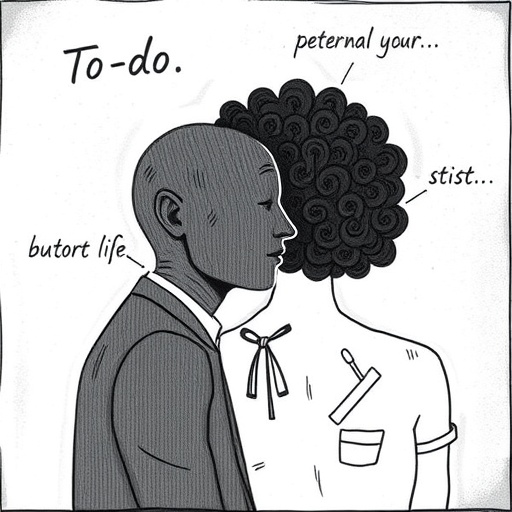
In an era characterized by an increasing focus on mental health, a notable trend has emerged in the way we offer support and advice to those facing psychological challenges. Research conducted by esteemed institutions, including the University of Bath and the University of Hong Kong, highlights a pervasive pattern termed “additive advice bias.” This bias manifests as a tendency for individuals to recommend additional activities aimed at improving mental well-being rather than suggesting a reduction or cessation of harmful behaviors. This intriguing phenomenon reflects deeper societal attitudes toward mental health, emphasizing the importance of reevaluating our approaches to support.
Much of the discourse surrounding mental health revolves around the notion that action leads to improvement. Consequently, individuals facing mental health struggles are frequently inundated with well-meaning yet overwhelming suggestions such as adopting a yoga practice, initiating a journaling habit, or participating in mindfulness sessions. While these activities hold potential benefits, they often compound the pressures that individuals may already feel rather than addressing the core issues at hand. In a world where mental health services are increasingly strained and support is increasingly sought from friends, family, and online communities, understanding the underlying dynamics of such advice becomes essential.
The studies released in the journal Communications Psychology reveal that the additive advice bias is not limited to individual interactions; it is pervasive across various platforms, including social media and even artificial intelligence responses. Through a series of experiments, researchers analyzed how advice was given in multiple contexts, examining scenarios involving harmful practices, such as gambling or neglecting exercise. The conclusion was stark: the inclination to suggest adding beneficial tasks far outweighed the propensity to recommend removing detrimental ones.
When exploring the rationale behind this additive bias, the researchers found that many people perceived it as easier and more beneficial to suggest additional actions rather than advocating for the removal of harmful habits. This perception may stem from societal beliefs that glorify busyness and productivity, positioning mental health improvement as a matter of “doing more” rather than “doing less.” Ironically, this perspective may exacerbate feelings of being overwhelmed rather than fostering genuine emotional healing or improvement.
Among the interesting discoveries from the research was how the nature of relationships impacted the type of advice given. Participants felt more comfortable proposing harmful habit reductions for close friends than for themselves. This suggests a potential double standard in how we perceive our struggles versus those of people we care about—an insight that could significantly alter how we engage in supportive conversations. If our recommendation patterns vary so widely based on relational dynamics, this points to a critical gap in the equanimity of the advice we provide.
Moreover, as artificial intelligence technologies like ChatGPT continue to evolve and find their place as sources of guidance, there is a risk that they may perpetuate this additive advice bias. The documented tendency of AI to predominantly offer additive suggestions mirrors the patterns witnessed in traditional social media interactions. This raises questions about the effectiveness of AI in genuinely contributing to mental health conversations, calling for a more nuanced approach that encourages users to reflect on what they might remove from their lives in addition to what they should adopt.
The implications of these findings are profound. They underscore the necessity for a shift in our collective mindset regarding advice for mental health. Rather than inundating individuals with more tasks that may ultimately hinder their progress, there needs to be a concerted effort to explore strategies that prioritize the reduction of stressors and harmful influences. In doing so, we can better equip ourselves to facilitate a more balanced approach to mental well-being.
Reflecting on these findings, Dr. Tom Barry from the University of Bath noted the importance of seeking equilibrium in advice. He commented on the discrepancy between theory and practice, stating that effective guidance should ideally incorporate elements of both addition and subtraction to alleviate the sense of being overwhelmed. The tendency to pile additional responsibilities onto individuals, even with the best intentions, can inadvertently transform mental wellness into what feels like a relentless list of chores.
As conversations around mental health continue to evolve in the digital age, the insights gained from this research open new avenues for understanding how individuals can better support one another. Awareness of these biases can empower those engaged in discussions about mental health to foster environments that encourage self-care through removal of detrimental behaviors, rather than merely layering on additional tasks.
Overall, this research serves as a vital reminder of the complexities of mental health advice. It challenges us to rethink the narratives we share and the recommendations we make, with the ultimate goal of creating more effective and compassionate modalities of support. As we navigate our individual journeys with mental wellness—be it through informal social interactions or structured guidance from AI—the need for a paradigm shift toward subtractive solutions may hold the key to more profound and sustainable improvement in mental health outcomes.
By embracing this new perspective, we can cultivate a culture that prioritizes liberation from unnecessary burdens, allowing individuals to enhance their quality of life through thoughtful reflection and intentional change. The future of mental health support may lie not in the number of interventions we pile on, but rather in the wisdom to recognize when it is time to let go.
Keywords
Mental health, advice bias, AI in mental health, support strategies, emotional well-being, subtractive solutions, communication psychology, societal attitudes, stress management.
Cite Scienmag News
Glenn Wilkins. (August 20, 2025). Why Mental Health Guidance Can Increase Your To-Do List. Scienmag. https://scienmag.com/why-mental-health-guidance-can-increase-your-to-do-list/
Glenn Wilkins. "Why Mental Health Guidance Can Increase Your To-Do List." Scienmag, 20 August 2025, https://scienmag.com/why-mental-health-guidance-can-increase-your-to-do-list/. Accessed 4 September 2026.
Glenn Wilkins. "Why Mental Health Guidance Can Increase Your To-Do List." Scienmag. August 20, 2025. https://scienmag.com/why-mental-health-guidance-can-increase-your-to-do-list/


