


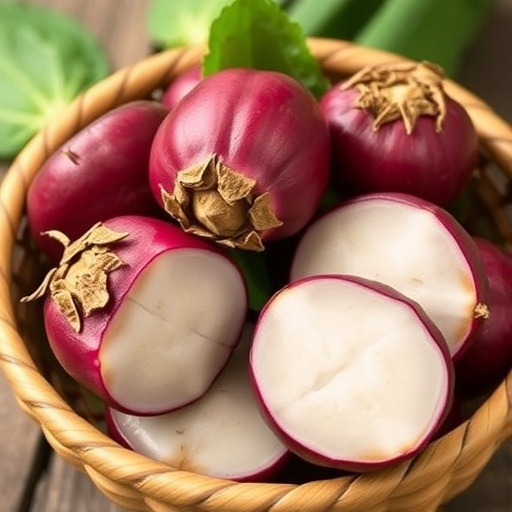
Water chestnut, a water-loving plant that thrives in marshy regions, has recently garnered significant attention in both culinary and scientific communities. This remarkable aquatic vegetable, scientifically recognized as Trapa natans, not only enchants with its crunchy texture and distinct flavor but also embodies a wealth of nutritional benefits and bioactive properties. Researchers like Chikara, Chaudhary, and Sahal have taken a deep dive into the comprehensive analysis of water chestnut, detailing its nutritional profile, the promise it holds in various food applications, and the untapped potential of its peel and kernel.
The water chestnut, often mistaken for a nut, is botanically classified as a fruit. Its presence spans across Asian and European cuisines, where it is seamlessly integrated into salads, stir-fries, and a myriad of dishes. The plant’s adaptability to different climates and its resilience make it a staple in regions where water bodies are prevalent. This adaptability not only enhances its cultivation but also contributes significantly to its availability in global markets.
In terms of nutritional value, water chestnuts boast an impressive array of vitamins and minerals. They are low in calories, high in dietary fiber, and are a rich source of antioxidants. These properties are essential, especially in today’s health-conscious society, where consumers are increasingly seeking wholesome, nutritious foods. The presence of significant amounts of potassium in water chestnuts further promotes cardiovascular health, making them a vital contributor to a balanced diet. The combination of these attributes positions water chestnuts as one of the lesser-known superfoods that are both delicious and beneficial.
From a bioactive perspective, the research indicates that water chestnuts contain a variety of phytochemicals that exhibit antioxidant properties. These compounds not only combat oxidative stress but also play a crucial role in reducing the risk of chronic diseases. The potential health benefits tied to these phytochemicals are becoming increasingly recognized, leading to a surge in interest in functional foods—those that not only nourish but also provide health benefits beyond basic nutrition.
Moving beyond the nutrient content, the use of water chestnut extends to various culinary practices. Its kernel—the edible part—presents a versatile ingredient suitable for both traditional and modern dishes. Chefs and food enthusiasts appreciate its ability to absorb flavors while providing a satisfying crunch. This unique textural element has made it a favorite in various gourmet applications, raising its profile among contemporary health-focused food trends. The rising awareness of plant-based diets further aligns with the increasing popularity of water chestnut as a viable food source.
Equally important is the peel of the water chestnut, which is often overlooked but contains a wealth of nutrients and bioactive compounds. Recent studies highlight the potential of utilizing waste by-products from the peeling process, which are packed with beneficial substances. This not only promotes sustainability in food production but also offers opportunities for innovation in food processing industries. Utilizing the entire plant can lead to new food products and health supplements while minimizing waste.
Sustainability is a key aspect of the water chestnut’s cultivation. As an aquatic plant, it plays an essential role in maintaining ecosystem balance, providing habitats for various aquatic life forms. Furthermore, water chestnuts assist in water purification, acting as natural filters that improve water quality. The ecological benefits of cultivating water chestnuts become even more relevant as the world grapples with the pressing challenges of climate change and the need for sustainable farming practices.
The discussions around water chestnut also touch upon food security. In regions where conventional agricultural practices face challenges—whether due to soil degradation, water scarcity, or climate variability—water chestnuts present a viable alternative. Their low maintenance needs and ability to thrive in submerged conditions make them an attractive crop for farmers seeking resilience in the face of changing environmental conditions.
Despite their numerous advantages, raising consumer awareness about water chestnuts is essential to capitalize on their potential fully. Education about their health benefits, culinary uses, and ecological significance can drive demand and lead to increased cultivation. Food brands and producers have an opportunity to market water chestnuts not only as a nutritious ingredient but also as a responsible and sustainable choice for environmentally-conscious consumers.
As researchers continue to uncover the breadth of benefits associated with water chestnut, there lies an exciting horizon for future culinary innovations. With a growing trend towards incorporating unique ingredients in mainstream cuisine, the water chestnut may find its place as a must-have item in the pantries of health-conscious consumers and creative chefs alike. This vegetable, often relegated to the sidelines, is ready for the spotlight, offering diverse nutritional and functional benefits in an eco-friendly manner.
In conclusion, the comprehensive review of water chestnuts offers a promising glimpse into their vast potential. The unique characteristics of both their kernel and peel underscore the importance of exploring every facet of this plant in culinary and health applications. As awareness increases and sustainable practices come to the forefront, water chestnuts stand poised to become a celebrated ingredient, enriching diets and contributing to the well-being of individuals and the planet alike.
Chikara, A., Chaudhary, S., Sahal, A. et al. Water Chestnut Unveiled: A Comprehensive Review of Its Nutritional Profile, Bioactive Potential, and Food Applications of Peel and Kernel.
Waste Biomass Valor (2025). https://doi.org/10.1007/s12649-025-03278-0
Cite Scienmag News
Daisy Hatcher. (September 4, 2025). Water Chestnut: Nutritional Benefits and Culinary Uses Explained. Scienmag. https://scienmag.com/water-chestnut-nutritional-benefits-and-culinary-uses-explained/
Daisy Hatcher. "Water Chestnut: Nutritional Benefits and Culinary Uses Explained." Scienmag, 4 September 2025, https://scienmag.com/water-chestnut-nutritional-benefits-and-culinary-uses-explained/. Accessed 3 September 2026.
Daisy Hatcher. "Water Chestnut: Nutritional Benefits and Culinary Uses Explained." Scienmag. September 4, 2025. https://scienmag.com/water-chestnut-nutritional-benefits-and-culinary-uses-explained/


