

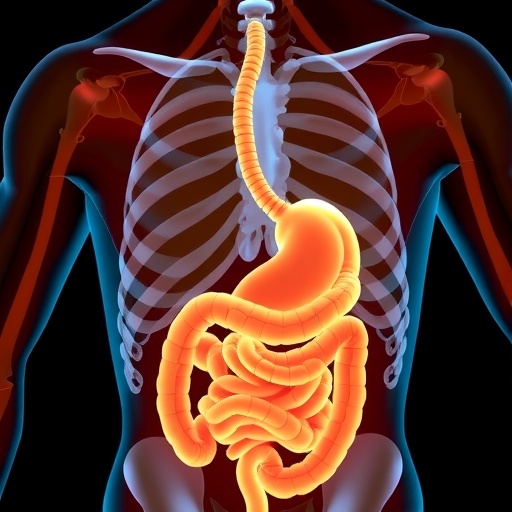
Recent research has highlighted the pivotal role of vitamin D supplementation in enhancing skeletal muscle function, particularly in individuals suffering from chronic intestinal failure. This area of exploration, while emerging, presents significant implications for patient care and quality of life. A randomized controlled trial conducted by Gao et al. published in the Journal of Translational Medicine continues to shed light on this intriguing intersection of nutrition and muscle health.
Chronic intestinal failure represents a condition where the intestines cannot absorb enough nutrients from food, leading to severe health challenges. Patients affected by this ailment often experience a multitude of complications, including frailty, muscle weakness, and a decreased quality of life. This study specifically investigates how vitamin D, commonly known for its role in bone health, affects muscle function and overall well-being in these patients.
The trial enrolled participants who were diagnosed with chronic intestinal failure, aiming to critically assess how vitamin D supplementation could potentially alter their muscle performance. The participants were randomly assigned to receive either vitamin D supplementation or a placebo, with both groups monitored over a specified period. This design is crucial as it minimizes biases and provides a clear framework to evaluate the supplement’s effectiveness.
One of the noteworthy findings from the study showed that patients receiving vitamin D demonstrated marked improvements in various metrics of muscle function. This included enhancements in muscle strength and endurance, which are vital components for maintaining a functional and independent lifestyle. The researchers utilized standardized assessments, which allowed for a thorough evaluation of muscle performance across diverse muscle groups.
In addition to physical performance, the impact of vitamin D supplementation on patients’ quality of life was also rigorously assessed. The results indicated that those who received vitamin D reported significant improvements in their perceived well-being. This highlights not only the physical benefits of the supplement but also its potential to uplift mental health, a crucial aspect of recovery in chronic illness scenarios.
Furthermore, the study delves into the biochemical mechanisms through which vitamin D exerts its effects on skeletal muscle. Vitamin D receptors are present in muscle tissue, facilitating the critical role of this vitamin in muscle metabolism and growth. This biochemical relationship emphasizes the importance of adequate vitamin D levels, as deficiency could directly influence muscle function, ultimately exacerbating the challenges faced by patients with chronic conditions.
It’s also noteworthy to point out the broader implications of these findings. As populations age and the prevalence of chronic diseases such as intestinal failure increases, the healthcare system must adapt to address these evolving challenges. Integrating vitamin D supplementation into standard therapeutic regimes for patients suffering from chronic intestinal failure could offer a low-cost, simple intervention with substantial benefits.
Public health campaigns, therefore, may benefit from highlighting the importance of maintaining adequate vitamin D levels, especially for vulnerable populations. This research reinforces the need for regular screening and appropriate supplementation, not only as a preventive measure but also as an active strategy for improving health outcomes in chronic disease management.
Moreover, as advancements in medical research continue to unravel the complexities of nutrition, health professionals are reminded of the necessity to adopt a comprehensive approach to treatment. This necessitates a collaborative effort among dietitians, physicians, and educators to ensure that patients are informed about the implications of vitamin D and are encouraged to adhere to supplementation guidelines.
The study conducted by Gao et al. serves as a beacon of hope, indicating that through simple nutritional adjustments, patients with chronic intestinal failure can experience an enhanced quality of life. While the implications are primarily clinical, the potential for broader societal impacts cannot be ignored, given the ripple effects of improved health on community well-being.
As we face the challenges posed by chronic illnesses, this research emphasizes the importance of merging nutritional science with medical practice. The results of the trial reveal a promising avenue for improving muscle function and overall life satisfaction, which can significantly transform patient care in clinical settings.
Continuous research into the effects of vitamins and nutrients on chronic health conditions is crucial. Future investigations could expand upon the findings of this trial, potentially exploring optimal dosing strategies, the duration of supplementation effects, and comparative effectiveness against other interventions.
In conclusion, Gao et al.’s study underscores the transformative potential of vitamin D supplementation for patients with chronic intestinal failure. With growing evidence supporting the role of nutrition in muscle function and patient quality of life, healthcare practitioners are urged to integrate these insights into comprehensive care plans, ensuring the best possible outcomes for those affected by chronic conditions.
By embracing the lessons learned from this research, we have the opportunity to reshape the narrative surrounding chronic illness management. Vitamin D supplementation not only serves as a pathway to better skeletal muscle function but also heralds a comprehensive approach toward enhancing the quality of life for countless patients navigating the challenges of chronic diseases in our society.
Subject of Research: Vitamin D supplementation in patients with chronic intestinal failure
Article Title: Effect of vitamin D supplementation on skeletal muscle function and quality of life in patients with chronic intestinal failure: a randomized controlled trial
Article References:
Gao, X., Liu, S., Zhang, Y. et al. Effect of vitamin D supplementation on skeletal muscle function and quality of life in patients with chronic intestinal failure: a randomized controlled trial.
J Transl Med (2025). https://doi.org/10.1186/s12967-025-07607-8
Image Credits: AI Generated
DOI: 10.1186/s12967-025-07607-8
Keywords: Vitamin D, chronic intestinal failure, skeletal muscle function, quality of life, supplementation, randomized controlled trial, patient outcomes


