


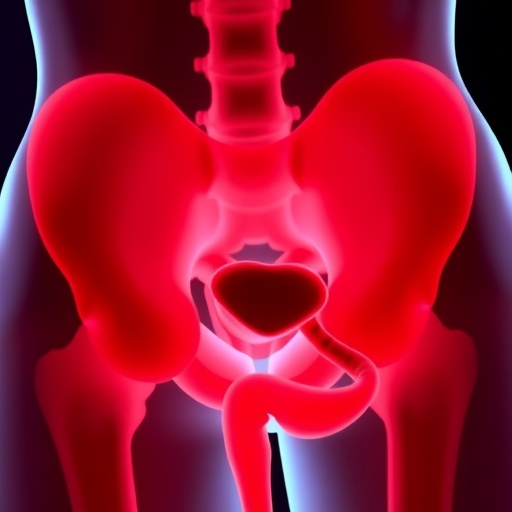
In a groundbreaking new study published in the esteemed journal Pediatric Research, researchers have unveiled critical insights into the mechanisms underlying urinary tract infections (UTIs) that follow voiding cystourethrography (VCUG), a diagnostic imaging procedure commonly used in pediatric urology. This investigation sheds light on how VCUG, through its invasive methodology involving transurethral catheterization and the retrograde instillation of iodinated contrast media (ICM), may inadvertently predispose young patients to urinary tract infections by altering the urothelial barrier. These revelations are poised to redefine current clinical practices and inspire novel therapeutic strategies to mitigate such adverse effects.
VCUG is a cornerstone diagnostic tool for evaluating vesicoureteral reflux and other structural abnormalities of the urinary tract. Despite its diagnostic value, clinicians have long observed that the procedure is occasionally complicated by the onset of urinary tract infections, collectively termed VCUG-associated urinary tract infections (VCAUTI). While the mechanical introduction of bacteria during catheterization has been considered the primary culprit, this new study postulates a more complex pathophysiological interplay involving alterations in the urothelial barrier integrity.
The urothelium, the specialized epithelial lining of the urinary tract, serves as a critical defense frontier by maintaining a robust barrier against pathogens. The study details, with unprecedented granularity, how exposure to iodinated contrast media and the mechanical stress from catheterization can disrupt tight junction proteins and desquamate urothelial cells. Such disruptions compromise the impermeability of the urothelial layer, creating an environment conducive to bacterial adherence and invasion, which significantly escalates the risk of infection.
Utilizing both extensive pediatric cohort analyses and complementary experimental models, the research team, led by Luo and colleagues, meticulously quantified changes in urothelial barrier function post-VCUG. They provided compelling evidence that these alterations are not transient; instead, they induce a prolonged period of susceptibility, thereby extending the risk window for VCAUTI beyond the immediate procedural timeframe. This finding underscores the necessity for clinicians to monitor patients vigilantly for signs of infection days to weeks following the procedure.
One of the study’s most innovative aspects lies in its exploration of the molecular pathways affected by iodinated contrast media. The researchers observed that ICM exposure induced oxidative stress within urothelial cells, triggering apoptotic pathways and inflammatory cascades. These molecular events were implicated in the degradation of essential barrier proteins such as uroplakins and claudins, which play pivotal roles in maintaining urothelial cohesion and impermeability. This molecular insight paves the way for potential pharmaceutical interventions that could protect or restore urothelial integrity during or after VCUG.
Furthermore, the investigation raises important questions regarding the current clinical protocols for VCUG. The standard preparation and execution of the procedure may need to incorporate protective strategies, such as antioxidant therapy or barrier-enhancing agents, to reduce the incidence of VCAUTI. The research advocates for a paradigm shift from solely antimicrobial prophylaxis to a more holistic approach emphasizing the preservation of urothelial health.
The implications of this research extend well beyond pediatric populations. Since VCUG and similar catheterization procedures are utilized across all age groups, understanding the urothelial response to mechanical and chemical insults could revolutionize infection control strategies in adult urology and even in nephrology. Future interdisciplinary collaborations may harness these insights to develop novel biomaterials for catheter design or drug-eluting catheters that mitigate urothelial injury.
Another remarkable facet of the study is its robust use of experimental animal models to validate clinical observations. By replicating VCUG-like conditions in laboratory rodents, the research team could temporally map the cascade of urothelial damage and immune responses. This translational aspect significantly strengthens the validity of their conclusions and highlights the utility of experimental models in unraveling complex biomedical phenomena.
While the study establishes a clear association between VCUG and increased UTI susceptibility, the authors also emphasize the need for large-scale longitudinal studies to assess the long-term consequences of repeated urothelial barrier disruptions. Given that children with congenital urinary tract anomalies often undergo multiple imaging procedures, understanding the cumulative impact on urinary tract health is crucial.
Clinicians and caregivers alike should be aware of the subtle yet significant risks posed by VCUG beyond the immediate procedural complications. This research encourages thorough patient education about symptoms of UTI post-procedure and advocates for tailored follow-up protocols to ensure timely infection diagnosis and management. Early intervention could mitigate the potential for recurrent infections and their sequelae, such as renal scarring and chronic kidney disease.
The study’s findings also invite a reevaluation of iodinated contrast media formulations. Given their demonstrated role in exacerbating urothelial injury, the development of safer, less cytotoxic contrast agents could substantially decrease procedural complications. Pharmaceutical innovation in this direction may drastically improve patient outcomes and procedural safety profiles.
Beyond potential pharmacological and material innovations, the research contributes to the broader understanding of host-pathogen interactions within the urinary tract milieu. By revealing how barrier dysfunction augments bacterial colonization risk, the study integrates seamlessly into the expanding field of mucosal immunology, which seeks to explain infection susceptibilities at systemic and tissue-specific levels.
Interestingly, this investigation not only delineates the immediate effects of VCUG but also opens discourse on how restorative interventions might be timed strategically post-procedure. Therapeutic windows may exist wherein targeted support of urothelial repair mechanisms can ameliorate injury and prevent infection, a hypothesis now ripe for future clinical trials.
In essence, Luo et al.’s study represents a paradigmatic leap forward in pediatric urology and infection control. By conceptualizing VCAUTI as a multifactorial phenomenon encompassing mechanical, chemical, and biological disruptions, it transcends simplistic infection models and charts a course toward nuanced, evidence-based clinical innovation. This research underscores the delicate balance clinicians must navigate between indispensable diagnostic procedures and preserving mucosal defenses.
As the medical community digests these findings, it is clear that the next frontier lies in integrating molecular insights into everyday clinical practice to safeguard vulnerable pediatric populations. The urgency to develop protective strategies that do not compromise diagnostic efficacy could herald a new era in minimally invasive pediatric urology.
This seminal work stands as a testament to the power of translational research that spans clinical observation and molecular experimentation, symbolizing how modern science can transform patient care in profound and lasting ways. The future of infection prevention in urological diagnostics looks brighter, informed by data that unravel the previously obscured vulnerabilities of the urothelial barrier.
Cite Scienmag News
Denise Maddox. (June 11, 2026). Urothelial Changes Increase UTI Risk Post-VCUG. Scienmag. https://scienmag.com/urothelial-changes-increase-uti-risk-post-vcug/
Denise Maddox. "Urothelial Changes Increase UTI Risk Post-VCUG." Scienmag, 11 June 2026, https://scienmag.com/urothelial-changes-increase-uti-risk-post-vcug/. Accessed 4 September 2026.
Denise Maddox. "Urothelial Changes Increase UTI Risk Post-VCUG." Scienmag. June 11, 2026. https://scienmag.com/urothelial-changes-increase-uti-risk-post-vcug/


