

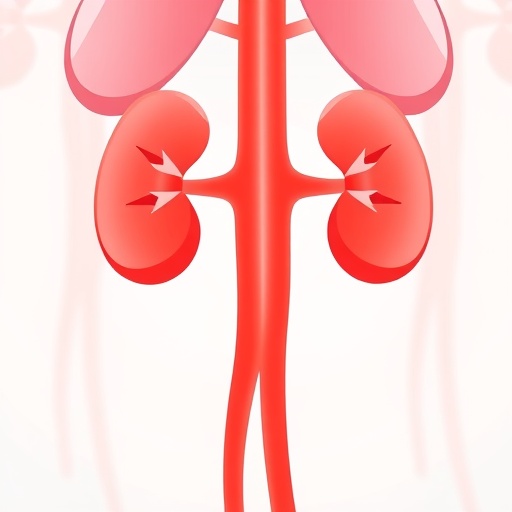
In a comprehensive study recently published in BMC Endocrine Disorders, groundbreaking findings reveal that urinary 8-hydroxy-2’-deoxyguanosine (8-OHdG) could be a pivotal early predictive biomarker for the decline of glomerular filtration rate (GFR) among patients suffering from type 2 diabetes mellitus. This development opens new avenues for early intervention and monitoring of kidney function in this increasingly prevalent chronic condition. The research, led by scholars Wu, Sheng, and Lu, is of paramount importance given the rapid increase in diabetes cases globally.
Type 2 diabetes mellitus is a complex and multifaceted disorder, characterized not only by insulin resistance but also by a spectrum of complications, most notably diabetic nephropathy. This particular complication contributes significantly to the progression of kidney disease and is a leading cause of end-stage renal failure. Understanding how to predict the decline in GFR can provide crucial insights into mitigating the risks associated with kidney damage due to diabetes. Early detection could empower healthcare providers to implement more timely interventions.
The significance of 8-OHdG lies in its role as a marker of oxidative stress and DNA damage within the body. As a byproduct of oxidative stress, the presence of elevated levels of 8-OHdG in urine reflects cellular damage that has been induced by chronic hyperglycemia, common in patients with type 2 diabetes. This relationship between oxidative stress and GFR decline has been under investigation for years, and this latest study sheds new light on the correlation by establishing a direct association between elevated urinary 8-OHdG levels and the deterioration of kidney function.
In this extensive research project, the team analyzed the urinary excretion of 8-OHdG in a diverse cohort of type 2 diabetes patients. Participants were monitored over a specific duration, and their renal function was assessed through periodic GFR measurements. The study results indicated that individuals exhibiting increased levels of urinary 8-OHdG were more likely to experience accelerated declines in their GFR, thus validating its potential as a prognostic tool in clinical settings. This correlation establishes a much-needed metric for healthcare professionals during routine assessments.
The implications of these findings are profound. For years, clinicians have struggled with the challenge of early detection of renal impairment in diabetic patients. By incorporating urinary 8-OHdG testing into routine practice, healthcare providers could substantially enhance the monitoring and management of kidney health. This approach could facilitate preventive strategies, potentially altering the trajectory of disease progression in many patients. It raises the possibility of personalized treatment regimens aimed at addressing oxidative stress.
In addition to its clinical relevance, the research also highlights the biological pathways linking oxidative stress to renal dysfunction. The accumulation of oxidative damage in kidney tissues can lead to inflammatory responses, fibrosis, and ultimately adverse renal outcomes. Understanding these mechanisms at a molecular level is essential for developing targeted therapies that could counteract the deleterious effects of hyperglycemia and oxidative stress on the kidneys.
Furthermore, the study emphasizes the need for interdisciplinary collaboration in the fields of endocrinology, nephrology, and molecular biology. Research pinpointing biomarkers like 8-OHdG not only advances our understanding of diabetic nephropathy but also underscores the broader complexities of type 2 diabetes as a systemic disease. As researchers continue to unravel these complexities, such insights will facilitate innovative approaches to treatment and management.
The increasing prevalence of type 2 diabetes—now recognized as an epidemic—compounds the urgency of these findings. The World Health Organization recognizes the need for better management strategies to combat the associated complications of diabetes, particularly those affecting kidney health. The ability to predict worsening renal function using readily obtainable urinary biomarkers like 8-OHdG could be transformative in improving patient outcomes, reducing healthcare costs, and striving towards a more optimal quality of life for patients.
While the results of this study are promising, further research is necessary to fully understand the applications of urinary 8-OHdG in diverse populations. Future epidemiological studies that include a broader demographic may provide insights into how genetic and environmental factors influence oxidative stress levels and GFR. The diversification of study participants is critical to ensure that findings are representative and applicable across different ethnicities and age groups.
In conclusion, the exploration of urinary 8-OHdG as a predictive biomarker offers a promising frontier in managing diabetic nephropathy. By enabling early detection and timely response to declines in GFR, it paves the way for advancements in personalized medicine and proactive healthcare delivery for patients with type 2 diabetes. As research progresses, the integration of biomarkers like 8-OHdG into clinical practice could revolutionize care, ultimately improving health outcomes for millions affected by this chronic ailment.
As the healthcare community continues to grapple with the challenges posed by diabetes and its complications, innovative research like this is crucial. It not only illuminates our current understanding but also drives the quest for new insights into prevention and intervention strategies. The future of managing type 2 diabetes and safeguarding kidney function relies heavily on recognizing the value of predictive biomarkers, and urinary 8-OHdG represents a significant step toward achieving that goal.
Ultimately, proactive measures and interventions based on reliable biomarkers will enable clinicians to devise tailored treatment plans aimed at reducing the risk of nephropathy progression. As this research is disseminated, it is hoped that it will inspire further studies, collaborations, and, most importantly, practical applications in clinical settings that could save lives and enhance the quality of life for diabetes patients.
With ongoing research and commitment to understanding the biochemical pathways involved in diabetes and its complications, there is great hope for improved management strategies that can lead to better health outcomes. The journey toward harnessing the full potential of biomarkers like 8-OHdG is just beginning, and as this area of study evolves, it holds the promise to redefine the clinical landscape for those impacted by type 2 diabetes and kidney health issues.
Subject of Research: Urinary 8-hydroxy-2’-deoxyguanosine as a predictive biomarker for glomerular filtration rate decline in type 2 diabetes.
Article Title: Urinary 8-hydroxy-2’-deoxyguanosine as an early predictive biomarker for glomerular filtration rate decline in patients with type 2 diabetes mellitus.
Article References:
Wu, J., Sheng, P., Lu, Y. et al. Urinary 8-hydroxy-2’-deoxyguanosine as an early predictive biomarker for glomerular filtration rate decline in patients with type 2 diabetes mellitus.
BMC Endocr Disord (2026). https://doi.org/10.1186/s12902-026-02176-3
Image Credits: AI Generated
DOI:
Keywords: Urinary biomarkers, 8-hydroxy-2’-deoxyguanosine, type 2 diabetes, glomerular filtration rate, oxidative stress, diabetic nephropathy, early diagnosis, personalized medicine, chronic kidney disease.


