


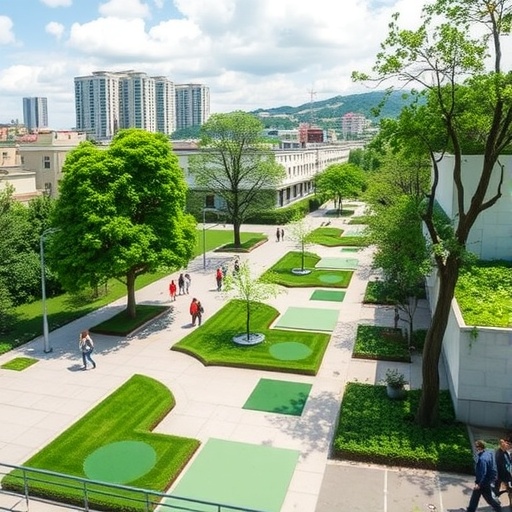
In recent years, urbanization has become an unstoppable phenomenon, transforming landscapes worldwide at an unprecedented rate. One significant facet of this transformation is its impact on green spaces, which are critical for maintaining ecological balance and improving urban living conditions. A recent study conducted in Ardabil city, Iran, sheds light on the changing spatial patterns of these green areas from 2003 to 2017, utilizing a robust landscape metrics analysis. The results provide a crucial understanding of how urbanization affects green spaces and highlight the urgent need for sustainable urban development.
Urbanization refers to the increasing population in urban areas, which often leads to the expansion of cities, infrastructures, and eventually, a reconfiguration of land use. As more people flock to urban locales for better opportunities, natural habitats are often sacrificed in the name of development. The research in Ardabil provides a focused analysis of this issue, portraying how urban growth affects the availability and distribution of green spaces. The study utilized various landscape metrics to quantify and analyze the changes over a 14-year period.
Investigators in Ardabil concentrated on the effects of urbanization between 2003 and 2017 by mapping green spaces using remote sensing technology. This method allowed for accurate spatial analysis and offered a clear visual representation of how these areas have diminished or evolved throughout the city. The researchers assessed metrics such as patch area, edge density, and landscape fragmentation, which are crucial for understanding the ecological integrity of urban environments. These metrics provide not only a quantitative measure but also a qualitative understanding of ecological connectivity.
The findings of the research indicate a significant decline in green spaces due to urban sprawl. It was observed that as the city expanded, the patches of green spaces became increasingly fragmented. The reduction of contiguous green land not only impacts biodiversity but also affects urban climate regulation and residents’ quality of life. Fragmented landscapes can disrupt wildlife corridors and hinder species movement, making it essential to preserve larger, interconnected green areas.
Moreover, the research highlights the detrimental effects of urban heat islands exacerbated by reduced green coverage. Urban heat islands occur when metropolitan areas become significantly warmer than their surrounding rural areas due to human activities. Green spaces are vital in mitigating these heat effects by providing shade and cooling through evapotranspiration. The loss of such areas consequently leads to increased energy consumption, higher health risks, and lower overall well-being for urban residents.
In addition to ecological concerns, the social implications of diminishing green spaces cannot be overlooked. Access to parks and natural environments has been linked to improved mental health outcomes and enhanced community ties. In Ardabil, the shrinking of green spaces represents a loss not only of biodiversity but also of communal areas where residents can engage with nature, fostering social interaction and cultural practices. This highlights the need for urban planners to incorporate green space preservation into their development strategies actively.
The assessment of green space metrics over time lays the groundwork for potential urban policy reforms. The study can serve as a cornerstone for local governments to reevaluate their planning and zoning laws to prioritize green spaces. By implementing policies that encourage urban density while protecting existing natural areas, cities can achieve a more balanced approach to growth that integrates ecological health with human needs. A focus on sustainability in urban development is crucial for creating resilient cities that withstand the challenges posed by climate change.
Furthermore, the research underscores the importance of community engagement in planning and protecting green spaces. Involving local residents in decision-making processes regarding green area preservation can foster a sense of ownership and responsibility towards these shared resources. Public participation can lead to more effective management strategies that recognize the value of green spaces beyond their ecological function, reflecting community desires and cultural significance.
The study’s authors advocate for not only preserving existing green spaces but also increasing green area development as urbanization continues. The creation of new parks, urban gardens, and green roofs can contribute to mitigating the impacts of urbanization while enhancing the overall livability of cities. Integrating these green initiatives into urban planning can produce multifunctional landscapes that support both ecological health and human well-being.
Looking ahead, the continuation of such research in other regions can provide comparative insights into urbanization’s effects on green spaces globally. By examining diverse geographical areas, researchers can assess patterns that might be unique to specific urban environments or universal trends applicable across different contexts. This knowledge can inform more robust and adaptable urban planning frameworks that prioritize environmental sustainability alongside economic growth.
Overall, the findings from the study in Ardabil city call attention to a critical issue in contemporary urban development. As cities grow, it is vital to remember the intrinsic value of green spaces, which provide numerous benefits for ecosystems and communities alike. By integrating scientific research with effective policy-making, we can pave the way for future cities that are not only livable but also environmentally resilient.
In summary, this study serves as a timely reminder of the ongoing battle between urban expansion and ecological preservation. As urbanization continues to reshape our landscapes, it is essential to prioritize green spaces to ensure a sustainable and healthy future for urban populations. The implications of this research extend beyond Ardabil, serving as a model for cities facing similar challenges worldwide.
Understanding the delicate balance between urban growth and green space preservation is critical for creating sustainable cities that enhance both ecological resilience and human well-being. As we advance into an increasingly urbanized future, we must reflect on the lessons learned and actively seek to protect the natural spaces that contribute to our quality of life and the health of our planet.
Alaei, N., Mostafazadeh, R., Moezzipour, B. et al. The impact of urbanization on green spaces spatial pattern from 2003 to 2017: a landscape metrics analysis in Ardabil city, Iran.
Environ Sci Pollut Res (2025). https://doi.org/10.1007/s11356-025-36980-6
Cite Scienmag News
Violet Maxwell. (September 22, 2025). Urbanization’s Effects on Green Spaces: 2003-2017 Analysis. Scienmag. https://scienmag.com/urbanizations-effects-on-green-spaces-2003-2017-analysis/
Violet Maxwell. "Urbanization’s Effects on Green Spaces: 2003-2017 Analysis." Scienmag, 22 September 2025, https://scienmag.com/urbanizations-effects-on-green-spaces-2003-2017-analysis/. Accessed 4 September 2026.
Violet Maxwell. "Urbanization’s Effects on Green Spaces: 2003-2017 Analysis." Scienmag. September 22, 2025. https://scienmag.com/urbanizations-effects-on-green-spaces-2003-2017-analysis/


