


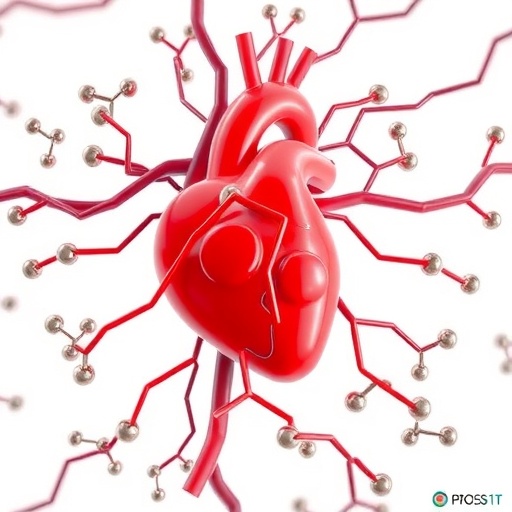
Epoxyeicosatrienoic acids (EETs) represent a fascinating and enigmatic class of bioactive lipids derived from arachidonic acid, catalyzed by cytochrome P450 epoxygenases. Unlike the well-characterized prostanoids and leukotrienes, whose roles in inflammation and respiratory pathology are firmly established, EETs continue to mystify scientists despite four decades of research. Their known physiological functions include blood pressure regulation, anti-inflammatory actions, and neuroprotection, yet the precise molecular mechanisms behind these beneficial effects have remained elusive, hindering their therapeutic exploitation.
While prostanoids exert their influence primarily through specific G-protein coupled receptors and leukotrienes have identifiable targets in the respiratory tract, EETs defy such straightforward characterization. The complexity arises partly because EETs do not appear to act solely as free lipids; emerging evidence suggests their integration into more complex membrane lipid structures could be central to their biological activities. This intricate incorporation potentially modulates interaction with transmembrane proteins, yet identifying these elusive binding partners has been a formidable challenge for researchers worldwide.
A landmark initiative aimed at decoding the molecular underpinnings of EET function is being spearheaded by the collaborative efforts of Prof. Eugen Proschak and Prof. Stefan Offermanns. Funded by the prestigious German Research Foundation (DFG) Koselleck Program, this project seeks to systematically uncover the membrane proteins interacting with esterified forms of EETs, referred to as lipid species containing esterified EETs (ELS). Through innovative chemical, pharmacological, and proteomic techniques, this multidisciplinary endeavor promises to unravel the complex landscape of EET-mediated signaling pathways.
A unique aspect of this research hinges on the hypothesis that EETs’ biological relevance emerges not from their free form but from their esterification into complex lipids within cell membranes. This theory challenges traditional paradigms in lipid signaling and demands comprehensive investigation. Such a shift in understanding could reframe how pharmacologists design drugs mimicking EETs’ beneficial effects, moving beyond targeting free lipid molecules to modulating membrane-embedded complexes.
The project’s focus on endothelial cells—the critical lining of blood vessels—underscores its biomedical significance. Given the endothelial role in vascular tone regulation and inflammation, elucidating how EETs modulate endothelial function could unlock novel therapeutic avenues for cardiovascular diseases. Blood pressure regulation, vascular inflammation, and neuroprotection are all interconnected domains where EETs exert influence, highlighting the potential ripple effects of this research across multiple clinical disciplines.
Interdisciplinary synergy is key to this investigation, with Prof. Proschak’s expertise in medicinal chemistry and the generation of pharmacological probes complementing Prof. Offermanns’ strengths in molecular pharmacology and in vivo experimentation. The integration of chemical synthesis with state-of-the-art proteomics enables an unprecedented exploration of the proteome landscape, identifying candidate transmembrane receptors and binding partners for EET derivatives.
Divided into four distinct yet interconnected subprojects, the research employs emerging proteomic technologies capable of capturing the full repertoire of cellular proteins, facilitating the identification of hitherto unknown molecular targets. This comprehensive approach could clarify the pathways converting EET binding into physiological outcomes such as vasodilation and anti-inflammatory signaling. The wealth of data generated will establish a knowledge foundation that has long been missing from EET biology.
Such pioneering work embodies the spirit of the Koselleck Program, which allocates resources to high-risk, innovative projects where conventional methods have stalled. Indeed, previous attempts to delineate EET receptors or signaling partners have largely failed, rendering this new approach both bold and transformative. Should these efforts yield the anticipated breakthroughs, pharmaceutical development may benefit from a novel class of drugs designed to emulate EET’s salutary effects on the cardiovascular and nervous systems.
Beyond fundamental biological impact, the implications for drug development are profound. Current antihypertensive and anti-inflammatory medications have limitations and side effects; leveraging EET pathways via targeted therapies could represent a paradigm shift. Drugs inspired by this research might achieve cardiovascular protection and neuroprotection with enhanced efficacy and reduced adverse outcomes, profoundly altering therapeutic landscapes and patient prognosis.
Notably, EETs’ integration into complex lipid milieus may lead to novel drug delivery or targeting strategies, wherein pharmacological agents mimic the biophysical properties of esterified EETs rather than their free forms. This insight could inspire new classes of lipid-based therapeutics capable of modulating membrane dynamics and receptor interactions with unprecedented specificity.
This research, supported with €1.25 million through 2030, illustrates the increasing recognition of lipid mediators’ complexity and importance in human physiology. The detailed unraveling of EET-associated molecular partners will not only advance cardiovascular sciences but may also impact neurology, immunology, and beyond, as these signaling lipids exert widespread effects across organ systems.
By illuminating the molecular “anchors” for EETs in cellular membranes, the project directs the focus toward transmembrane proteins, a vastly underexplored domain for lipid signaling research. The identification and characterization of these targets could inspire novel diagnostic tools and biomarkers, enhancing personalized medicine approaches in cardiovascular and inflammatory diseases.
In summary, the quest to decode the molecular pathways of epoxyeicosatrienoic acids stands at a pivotal juncture. The collaborative and interdisciplinary approach of this Koselleck-funded project promises to crack a long-standing scientific enigma, potentially transforming our understanding of lipid signaling and paving the way for revolutionary therapeutic innovations. This endeavor epitomizes how fundamental research, supported by high-risk funding initiatives, can unlock new frontiers in biomedical science.
News Publication Date: Not specified
Web References: Not specified
Cite Scienmag News
Frances Kline. (October 31, 2025). Unveiling the Impact of Lipids on Cardiovascular Disease. Scienmag. https://scienmag.com/unveiling-the-impact-of-lipids-on-cardiovascular-disease/
Frances Kline. "Unveiling the Impact of Lipids on Cardiovascular Disease." Scienmag, 31 October 2025, https://scienmag.com/unveiling-the-impact-of-lipids-on-cardiovascular-disease/. Accessed 4 September 2026.
Frances Kline. "Unveiling the Impact of Lipids on Cardiovascular Disease." Scienmag. October 31, 2025. https://scienmag.com/unveiling-the-impact-of-lipids-on-cardiovascular-disease/


