

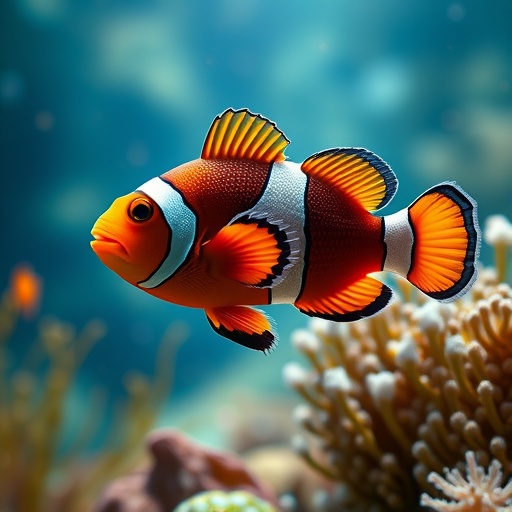
In a groundbreaking study, researchers have unveiled the intricate genomic mechanisms underpinning the evolution of vertical bars in clownfishes. This fascinating revelation is not just about aesthetics; it sheds light on how these iconic marine creatures have adapted to their vibrant environments through captivating genetic changes. Conducted by a team of scientists including Fitzgerald, Latrille, and Marcionetti, this research throws open the doors to a deeper understanding of evolutionary biology, particularly within the context of speciation and adaptation among reef inhabitants.
Clownfishes are easily recognizable, thanks to their striking coloration and the unique, vertical striped patterns adorning their bodies. These features are not mere accidents of nature; rather, they have evolved through complex genetic pathways, serving various functions from camouflage to social signaling. Through their study, the researchers aimed to deconstruct these pathways, exploring how genetic variations can lead to phenotypic adaptations, and ultimately, diverse evolutionary trajectories.
The research utilizes an advanced genomic approach that combines high-throughput sequencing technologies with bioinformatic analyses, enabling the team to identify specific genes associated with the development of these vertical bars. This multi-faceted methodology also allowed them to explore the evolutionary history and phylogenetic relationships between different clownfish species. By understanding the genomic architecture of these organisms, scientists can draw correlations between genetic variants and observable traits, providing critical insights into the mechanisms of natural selection.
One significant finding from the study was the identification of a suite of genes that play crucial roles in pigment production and distribution within the skin of clownfishes. This genetic toolkit is essential for creating the vibrant colors and patterns that are characteristic of these fish. The researchers revealed that specific mutations within these genes could result in variations in the density and arrangement of pigment cells, leading to the unique vertical bars seen across different clownfish species.
Moreover, these patterns are not static; they can change in response to environmental pressures, social interactions, and even mating preferences. The team highlighted the role of sexual selection in shaping these traits, positing that female clownfishes might favor males with more pronounced vertical bars. This preference could create a feedback loop where gene variants associated with desirable appearances become more prevalent, thus driving further evolutionary change.
The study also made a significant contribution to our understanding of polygenic traits—traits influenced by multiple genes. The intricate interplay between different genes complicates the inheritance patterns, thus creating a mosaic of phenotypic variations within clownfish populations. Such polygenic adaptations may provide a more flexible response to environmental challenges, allowing clownfishes to thrive in fluctuating reef ecosystems.
Behavioral factors were another focal point in this research. The vertical bars of clownfishes are not merely a visual spectacle; they serve a functional purpose in social hierarchies and territorial behaviors among reef species. The researchers assessed how these bars influence interactions with other reef inhabitants, suggesting that these patterns may serve as badges of fitness and identity within networks of social communication.
In an era where climate change poses severe threats to marine biodiversity, understanding the genetic foundations of adaptability is crucial. The implications of this research extend beyond clownfishes. As habitat destruction and ocean acidification lead to dwindling reef populations, insights gained from such studies are invaluable in conservation efforts. By identifying traits linked to resilience, scientists can better predict how various species will respond to environmental stressors, thus informing conservation strategies.
This work also raises broader questions about the evolutionary processes underpinning color patterns in other marine species. With the genomic toolkit of clownfishes clearer, researchers may now search for analogous adaptations in other reef dwellers. If the mechanisms of vertical bar evolution in clownfishes are similar to those in other fish, this could open new avenues for understanding evolutionary biology across marine ecosystems.
The findings from this study are particularly relevant to ongoing discussions about the preservation of genetic diversity. As scientists scrutinize the genetic variation within clownfish populations, they caution against the risks of inbreeding in smaller populations, which can limit adaptability. Maintaining genetic diversity will be crucial for the long-term sustainability of clownfishes and their ecosystems, highlighting the interconnectedness of genetic health and environmental resilience.
In summary, the work of Fitzgerald and colleagues represents a significant step forward in our understanding of the genetic underpinnings of phenotypic diversity in clownfishes. By delving into the complex interplay of genetics, behavior, and environmental factors, this research not only enriches our comprehension of clownfish evolution but also sets a precedent for future studies exploring the genetic basis of adaptations in other species. As we stand on the brink of unprecedented environmental changes, the insights provided by this research underscore the critical role of genetic diversity in the survival of marine life.
As scientists continue to uncover the secrets hidden within the genomes of various species, the study of clownfishes serves as a poignant reminder of the wonders of evolution and the delicate balance of life in our oceans. With each new discovery, we edge closer to understanding the intricate tapestry of life, reminding us of the imperative need to protect and preserve our planet’s rich biodiversity.
Subject of Research: Evolution of vertical bars in clownfishes through genomic analysis.
Article Title: Genomic basis of the evolution of vertical bars in clownfishes.
Article References:
Fitzgerald, L.M., Latrille, T., Marcionetti, A. et al. Genomic basis of the evolution of vertical bars in clownfishes. BMC Genomics (2026). https://doi.org/10.1186/s12864-026-12570-9
Image Credits: AI Generated
DOI: 10.1186/s12864-026-12570-9
Keywords: clownfishes, vertical bars, genomic analysis, evolutionary biology, genetic diversity, marine life, conservation.


