

In a groundbreaking study set to reshape our understanding of medieval Eurasian cultures, researchers have unveiled significant findings from the Zuun Baruun Kherem site located in Eastern Mongolia. This archaeological site, long shrouded in mystery, has provided new insights into the socio-political dynamics, trade practices, and cultural exchanges that characterized the region during a vibrant period in history. The research team, led by prominent archaeologist J. Wright, along with collaborators L. Pursey and S. Pleuger-Dreibrodt, has meticulously documented their findings in a comprehensive article published in the latest issue of Asian Archaeology.
The Zuun Baruun Kherem site dates back to the medieval era, a time when different cultures interacted across vast distances, spurred by the confluence of trade routes and nomadic lifestyles. Archaeological excavations at the site have uncovered a wealth of artifacts, including ceramics, metalwork, and remnants of structures that hint at a complex societal framework. This study not only sheds light on the local interactions but also the connections with distant lands that were part of a larger network of trade and cultural exchange.
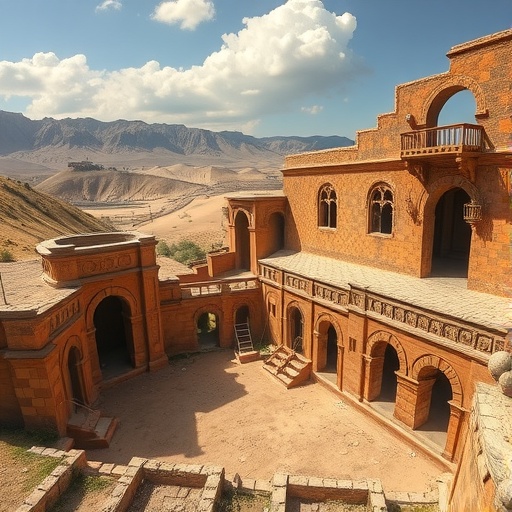
One of the most significant aspects of the research is its focus on the architectural remains found at the site. The structures identified by the team display unique construction techniques that suggest influences from both Eastern and Western traditions. The use of local materials combined with elements typical of far-reaching societies indicates that Zuun Baruun Kherem served not only as a local hub but also as a site for diplomatic and economic interaction among diverse groups. Researchers believe that these findings may indicate a broader trend of cultural fusion characteristic of the medieval period.
Artifacts recovered from the site have provided crucial information about the daily lives and practices of those who lived in and around Zuun Baruun Kherem. The analysis of pottery styles shows distinct characteristics that align with both nomadic and settled lifestyles, reflecting the adaptive strategies employed by the inhabitants. Moreover, the presence of imported goods further underscores the region’s role in long-distance trade, which likely facilitated not only the exchange of materials but also the diffusion of ideas and religious beliefs.
The findings have sparked renewed interest within the archaeological community, prompting further investigations into other locations in the region that may have parallels with Zuun Baruun Kherem. The impact of this research extends beyond the confines of Mongolia, as it resonates with broader themes of cultural exchange and adaptation seen throughout the ancient world. Such studies challenge preconceived notions of isolation and highlight the interconnectedness of seemingly disparate groups throughout history.
Additionally, the study has significant implications for understanding nomadic societies, often perceived as detached from the centers of power and culture. Through archaeological evidence, the researchers argue that these groups were not merely peripheral actors but engaged participants in the larger web of Eurasian networks. This perspective not only elevates the status of nomadic cultures in historical narratives but also calls for a re-evaluation of their contributions to the rich tapestry of human civilization.
The research methodology employed by Wright and his colleagues is noteworthy for its interdisciplinary approach, integrating archaeology, anthropology, and historical analysis. By synthesizing data from various sources, the team has constructed a nuanced picture of life at Zuun Baruun Kherem. They employed advanced techniques, such as radiocarbon dating and spatial analysis, to establish a timeline for the site’s occupation and to understand the organization of space and resources.
As the research unfolds, it becomes evident that Zuun Baruun Kherem is not just an isolated case but part of a larger narrative of medieval Eurasian history. The site emerges as a testimony to the dynamic interactions that took place along the Silk Roads and other trade routes. It redefines our understanding of how geography and socio-political factors shape cultural identities and heritage.
The implications of these findings are not merely academic; they also resonate with contemporary discussions about heritage preservation and the importance of recognizing the multifaceted history of regions like Eastern Mongolia. Advocates for cultural heritage underscore the need to protect such sites against modern encroachments, emphasizing that understanding our past is crucial for building a cohesive future.
As the study gains traction, it is likely to stimulate interest in further explorations of the era’s archaeological potential. The researchers are optimistic that with increased funding and public interest, more such sites will be unearthed, yielding further clues about the lives of those who shaped the medieval landscape of Eurasia. Anticipation builds as scholars and enthusiasts alike await the next revelations that may arise from ongoing research in this fascinating field.
In summation, the work conducted at Zuun Baruun Kherem not only enriches our understanding of a specific site but also contributes significantly to the global discourse on medieval history. The findings compel us to see beyond geographical boundaries and to appreciate the shared legacies that continue to connect us across time and space. As we delve deeper into the past, the stories emerging from such sites remind us of the continuous narratives that inform our present and future.
In characters and ideas, the connection between past and present is woven through the lens of archaeology, revealing a fabric of human experience that is ever-evolving. The Zuun Baruun Kherem site stands as a vivid reminder of the rich cultural tapestry of our shared history, paving the way for an enriched appreciation of the complexities of human civilization.
With this research, Wright, Pursey, Pleuger-Dreibrodt, and their team invite us to engage with the past not as isolated events, but as interconnected stories that define the human experience across borders and cultures, urging us to learn from them as we forge our paths forward.
Subject of Research: Zuun Baruun Kherem site in Eastern Mongolia and its implications on medieval Eurasian history.
Article Title: Zuun Baruun Kherem, a medieval Eurasian center in Eastern Mongolia.
Article References: Wright, J., Pursey, L., Pleuger-Dreibrodt, S. et al. Zuun Baruun Kherem, a medieval Eurasian center in Eastern Mongolia. asian archaeol 9, 175–196 (2025). https://doi.org/10.1007/s41826-025-00113-2
Image Credits: AI Generated
DOI: 10.1007/s41826-025-00113-2
Keywords: Medieval Eurasia, Zuun Baruun Kherem, archaeological findings, trade routes, cultural exchange, nomadic societies, socio-political dynamics.


