


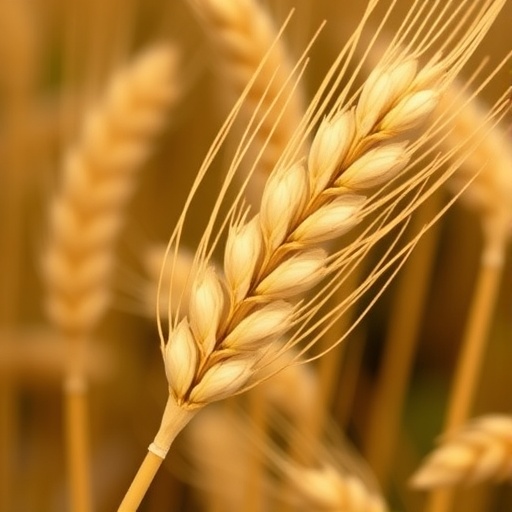
In a groundbreaking study detailed in the latest issue of The Crop Journal, scientists from Shandong Agricultural University have unraveled the genetic basis underlying condensed tannins accumulation in wheat grains, a discovery with far-reaching implications for crop nutrition and breeding. This research pinpoints the gene TaMYB10-3A as the pivotal molecular switch regulating the presence or absence of condensed tannins, a critical class of phenolic compounds known for their multifaceted roles in plant defense and human health.
Wheat grains, a staple food crop globally, contain a complex matrix of macronutrients such as starches and proteins along with a diverse set of bioactive compounds, including vitamins, carotenoids, and phenolic substances. Among these, condensed tannins stand out due to their capacity to influence nutritional quality and impact human health positively by potentially preventing disease and improving bodily functions. Despite their significance, the genetic determinants controlling the synthesis and deposition of condensed tannins in wheat grains had, until now, remained elusive, hindering targeted breeding efforts aimed at optimizing grain quality and functionality.
The research team employed a combination of plant biochemical analyses and genetic mapping methodologies to characterize the deposition of condensed tannins. They found these compounds predominantly localized in the testa layer surrounding the embryo of red-grained wheat varieties, where condensed tannins form polymers from catechin and epicatechin monomers. Utilizing genome-wide association studies (GWAS), the scientists identified 22 loci influencing condensed tannins content across various wheat genotypes. Notably, a single dominant gene named TaTAN was mapped to chromosome 3A, establishing a key genetic locus linked to condensed tannins accumulation.
To dissect the molecular underpinnings further, the researchers integrated pan-genomic analyses and transcriptome profiling with functional mutagenesis approaches. These comprehensive investigations converged on TaMYB10-3A, an R2R3-MYB transcription factor, as the causative gene for TaTAN. This transcription factor directly modulates the flavonoid biosynthesis pathway by binding to and activating core enzymatic genes, such as chalcone synthase and dihydroflavonol 4-reductase. This transcriptional regulation initiates the biosynthesis cascade leading to condensed tannins formation in wheat grains.
The functional significance of TaMYB10-3A was further elucidated through the study of mutant wheat lines induced by ethyl methane sulfonate (EMS) treatment. Three distinct loss-of-function alleles were identified, characterized by large-scale chromosomal rearrangements including inversion-deletion and insertion events, which effectively abolished the accumulation of condensed tannins. Intriguingly, these genetic alterations also eliminated the red pigmentation of the grain, revealing a pleiotropic effect of TaMYB10-3A whereby it regulates both biochemical tannin production and grain color phenotype.
This dual role of TaMYB10-3A underscores the intricate genetic control mechanisms that simultaneously influence metabolic traits and physical grain attributes. These insights provide breeders with valuable molecular markers and genetic targets for precision breeding strategies. Through manipulation of TaMYB10-3A and related flavonoid biosynthesis genes, it becomes feasible to engineer wheat varieties with tailored condensed tannins content, balancing enhanced nutritional profiles with desirable processing and aesthetic qualities.
The identification of the TaMYB10-3A gene and its functional characterization deliver critical mechanistic understanding of phenolic biosynthesis regulation in cereal grains—knowledge previously confined mainly to model plants such as Arabidopsis and maize. This advancement bridges a significant knowledge gap in wheat genetics and biochemical pathways, potentially catalyzing the development of fortified wheat cultivars capable of delivering improved health benefits to consumers worldwide.
Furthermore, the application of pan-genome analysis—a comprehensive approach encompassing the full spectrum of genetic variation across wheat populations—allowed the team to capture allelic diversity influencing condensed tannin biosynthesis. Coupling this with transcriptomic data provided a powerful multidimensional view into gene expression dynamics correlated with phenotypic traits, highlighting the gene regulatory networks operational during grain development.
The holistic methodological framework employed in this study exemplifies the synergy between functional genomics, classical genetics, and phytochemistry. It sets a precedent for future investigations targeting other complex traits in staple crops, reinforcing the importance of integrating multi-omic data layers to unravel polygenic traits with implications for both agriculture and human nutrition.
The broader implications of these findings extend into sustainable agriculture, as condensed tannins can confer enhanced resistance to pests and environmental stresses, potentially reducing reliance on chemical inputs. Concurrently, biofortified wheat containing optimized tannin content aligns with global health goals by contributing to diets enriched with natural antioxidants and bioactive compounds.
In conclusion, the elucidation of the genetic architecture orchestrating condensed tannins accumulation in wheat grains constitutes a significant leap forward in crop science and molecular breeding. By decoding the role of TaMYB10-3A, researchers have unlocked new avenues for improving wheat quality through genetic and biotechnological means, promising tangible benefits for farmers, food producers, and consumers alike.
Web References:
10.1016/j.cj.2025.09.005
Cite Scienmag News
Juliet Wilcox. (October 9, 2025). Uncovering the Genetic Blueprint Behind Condensed Tannin Accumulation in Wheat Grains. Scienmag. https://scienmag.com/uncovering-the-genetic-blueprint-behind-condensed-tannin-accumulation-in-wheat-grains/
Juliet Wilcox. "Uncovering the Genetic Blueprint Behind Condensed Tannin Accumulation in Wheat Grains." Scienmag, 9 October 2025, https://scienmag.com/uncovering-the-genetic-blueprint-behind-condensed-tannin-accumulation-in-wheat-grains/. Accessed 3 September 2026.
Juliet Wilcox. "Uncovering the Genetic Blueprint Behind Condensed Tannin Accumulation in Wheat Grains." Scienmag. October 9, 2025. https://scienmag.com/uncovering-the-genetic-blueprint-behind-condensed-tannin-accumulation-in-wheat-grains/


