


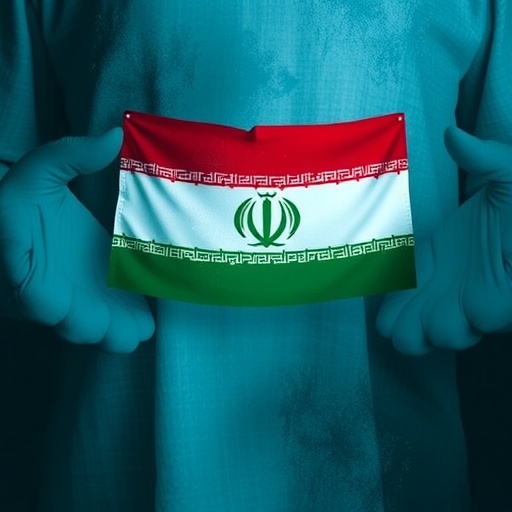
In a rapidly evolving world of healthcare, the foundational education that shapes future clinicians is under unprecedented scrutiny. A recent qualitative study conducted by Hazrati, Rezazadeh, and Barzegar sheds light on the hidden barriers faced in clinical medical education within Iran. This research provides a crucial lens through which the challenges and systemic issues within medical training in the region can be understood.
Medical education is not merely about imparting knowledge; it encompasses the transfer of skills, attitudes, and professional behavior. The study highlights the complexities and nuances that instructors and students navigate in their pursuit of medical qualifications. In Iran, these dynamics can be particularly layered, involving cultural, institutional, and societal influences that often go unnoticed, yet significantly impact educational outcomes.
One of the foremost themes identified in the research is the presence of institutional barriers. These barriers are oftentimes rooted in outdated practices and bureaucratic structures that fail to support innovative teaching methods. Students frequently find themselves confined within rigid frameworks that do not cater to their needs or aspirations. As a result, the educational experience becomes a series of obstacles rather than a pathway to personal and professional development.
Furthermore, the qualitative nature of the study allows for rich, in-depth insights into the opinions and experiences of medical students and educators alike. Interviews conducted reveal a shared sentiment of frustration with the existing educational paradigms. Many participants expressed a desire for greater flexibility and adaptability in the curriculum, arguing that the current system does not adequately prepare them for the realities of modern medical practice, which demands critical thinking and problem-solving skills.
Another crucial aspect identified is the interplay between theory and practice. Many students highlighted that while theoretical knowledge is essential, there is a glaring gap when it comes to applying that knowledge in clinical settings. The conventional curriculum tends to emphasize rote memorization rather than experiential learning, leaving students inadequately equipped for real-life patient encounters. This disconnect raises concerns about the competency of future healthcare professionals and their ability to provide high-quality care once they enter the workforce.
The study also delves into the psychological barriers that students encounter. Stress and anxiety are prevalent among medical students, driven by high expectations and a culture of perfectionism that pervades medical training. This pressure often leads to burnout and mental health challenges, which can further hinder academic performance and overall wellbeing. Addressing these psychological aspects is vital for creating a more supportive and conducive learning environment.
Moreover, the research emphasizes the significance of mentorship and support systems. Participants in the study expressed that positive mentorship could dramatically enhance their educational journey. Having experienced mentors who provide guidance, encouragement, and constructive feedback can help students navigate the myriad of challenges they face. Conversely, the absence of such support can lead to feelings of isolation and disengagement from their studies.
Peer interactions also play a pivotal role in shaping the educational experience. The study noted that collaborative learning environments foster a sense of community among students, which is essential for their development. However, competitive atmospheres often undermine this sense of camaraderie, making it difficult for students to share knowledge and support one another effectively.
As the Iranian healthcare landscape continues to evolve, these findings underscore the pressing need for reform in medical education. Stakeholders, including policymakers, educational institutions, and faculty members, must engage in critical discussions about how to dismantle these barriers. Reforming curricula to be more inclusive and reflective of current medical practices can lead to the cultivation of future physicians who are not only knowledgeable but also empathetic and skilled.
Moreover, integrating technological advancements into the education system could significantly enhance learning outcomes. The rise of online education platforms and simulation training offers new avenues for skill development and theoretical learning. Utilizing these resources can bridge the existing gaps in traditional education models, providing students with varied and comprehensive learning experiences.
Investing in faculty development is equally crucial. Educators must be equipped with the latest pedagogical strategies to effectively engage and empower their students. This includes training in innovative teaching methods and a shift in evaluation processes to prioritize critical thinking and practical applications over traditional exam formats.
As the study suggests, creating a culture of continuous feedback and improvement within medical education is essential. Institutions should encourage open dialogues about the challenges that students face and actively seek their input on potential solutions. By fostering an environment that values student perspectives, educational systems can align themselves more closely with the needs of their learners.
In conclusion, the qualitative study conducted in Iran illuminates the multifaceted barriers within clinical medical education, urging a collective reevaluation of existing paradigms. Only through a concerted effort to address these hidden challenges can the future of medical education in the country improve, ultimately leading to better trained and more compassionate healthcare professionals. As healthcare demands increase globally, the importance of tackling these issues cannot be overstated.
The implications of this research extend beyond the borders of Iran, serving as a poignant reminder for medical education systems worldwide to reflect on their practices. The journey toward meaningful reform in medical education requires bold and innovative thinking, coupled with an unwavering commitment to student success and wellbeing.
Hazrati, H., Rezazadeh, K. & Barzegar, M. Navigating hidden barriers in clinical medical education in Iran: a qualitative study.
BMC Med Educ 25, 1538 (2025). https://doi.org/10.1186/s12909-025-08120-8
Cite Scienmag News
Courtney Benton. (November 3, 2025). Uncovering Obscured Challenges in Iran’s Medical Education. Scienmag. https://scienmag.com/uncovering-obscured-challenges-in-irans-medical-education/
Courtney Benton. "Uncovering Obscured Challenges in Iran’s Medical Education." Scienmag, 3 November 2025, https://scienmag.com/uncovering-obscured-challenges-in-irans-medical-education/. Accessed 4 September 2026.
Courtney Benton. "Uncovering Obscured Challenges in Iran’s Medical Education." Scienmag. November 3, 2025. https://scienmag.com/uncovering-obscured-challenges-in-irans-medical-education/


