

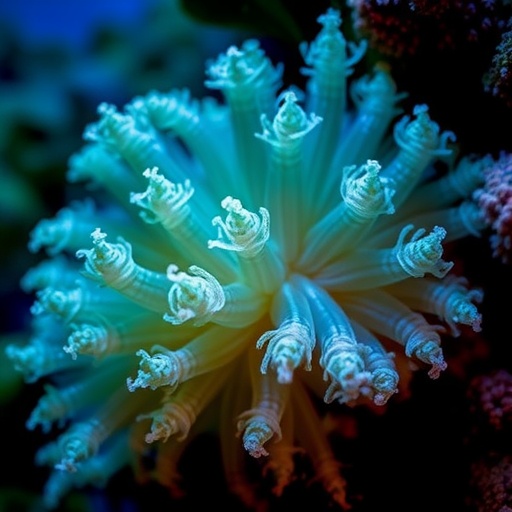
In a groundbreaking study that promises to reshape our understanding of marine microbial ecosystems, a team of researchers has released significant findings on the sponge-associated fungus, Aspergillus puulaauensis Hmp-F48. The insights drawn from genomic analysis reveal an exceptional biosynthetic capacity, underscoring the untapped potential of fungi within marine environments. This research not only highlights the symbiotic relationships between marine organisms but also opens avenues for novel biotechnological applications that could emerge from these complex interactions.
Aspergillus puulaauensis, a member of the diverse Aspergillus genus, has been primarily identified in various terrestrial ecosystems. However, the opportunities posed by the marine environment, particularly in sponge ecosystems, have remained underexplored. Sponges are known to harbor a rich array of microbial life, functioning as hosts to diverse fungal species. These associations hint at a potential reservoir of bioactive compounds that could be crucial for future pharmaceutical developments. By delving into the genome of A. puulaauensis, researchers are beginning to reveal the secrets that these organisms hold.
Through advanced genomic sequencing techniques, the researchers have been able to decode the complete genetic blueprint of A. puulaauensis Hmp-F48. This examination brought to light key characteristics that are integral to its biosynthetic pathways. The strain exhibited an astonishing capacity to produce a variety of secondary metabolites, which can serve important ecological roles and have significant implications for human health. The identification of gene clusters responsible for these biosynthetic processes suggests a robust capability for secondary metabolite production.
One of the most compelling aspects of this research is the novel biosynthetic gene clusters identified within the genome. These clusters are responsible for the synthesis of compounds that can potentially exhibit antifungal, antibacterial, or even anticancer properties. The diversity of metabolites produced by A. puulaauensis could indicate its adaptation to the competitive and often hostile marine environments associated with sponges. This adaptability emphasizes not only the resilience of the organism but also the evolutionary significance of its metabolic pathways.
In addition to the potential pharmaceutical benefits, findings from this study can contribute to our understanding of sponge ecology. The intricate relationships between fungi and sponges create a dynamic environment where both organisms can thrive. Fungi may assist in nutrient cycling within the sponge habitat, while sponges provide a stable substrate for fungal growth. The research reveals that such relationships are hallmarks of marine ecosystems, underlining the importance of conservation efforts in these habitats to maintain biodiversity.
Furthermore, the comparison of gene clusters between A. puulaauensis and other fungal species underscores the evolutionary adaptations that may have occurred as these organisms diversified. The investigation of horizontal gene transfer and the acquisition of novel biosynthetic traits reveals the evolutionary pressures faced by these fungi in marine settings. This perspective not only enriches our understanding of Aspergillus species but also sheds light on the broader implications of microbial adaptation in the face of environmental changes.
Moreover, this study may ignite interest in bioprospecting efforts aimed at harnessing marine fungi for novel compounds. The biotechnological potential of marine-derived products is vast, ranging from antibiotics to pharmacologically relevant compounds. As industries look for sustainable resources, the biosynthetic capabilities of organisms like A. puulaauensis demonstrate the promise inherent in marine biodiversity. The unique metabolic pathways discovered could transform marine fungi into a goldmine of new drugs and biomaterials.
The environmentally mindful implications of this research also raise significant questions regarding the conservation of marine ecosystems. Protecting biodiversity is essential to ensuring the persistence of such organisms and, consequently, the continuation of their biosynthetic prowess. As ongoing climate changes and human activities threaten these environments, identifying and conserving habitats rich in biodiversity becomes a critical objective.
Public interest in natural products derived from marine organisms continues to grow, and studies like this one provide essential fuel for that enthusiasm. The potential applications stemming from the discoveries related to A. puulaauensis highlight not only the ingenuity of nature but also the significant responsibility humans have to guard these resources. By focusing on the ecological relationships and the health of marine environments, we can foster a more sustainable approach to resource utilization.
The cyclical nature of life within marine ecosystems, including sponges and the fungi that reside within them, emphasizes intricate connections nurtured over millennia. Fungi have evolved mechanisms enabling them to communicate with their hosts and adapt to their surroundings. These molecular dialogues could be crucial in understanding how these organisms function collectively within their ecosystems.
Equipped with this knowledge, scientists can better model environmental conditions that promote the growth of beneficial fungi. Understanding the specifics of biotic interactions and metabolic adaptations allows the development of methodologies to enhance the discovery of novel marine pharmaceuticals. The pathway from omics research to practical applications necessitates seamless collaboration among scientists, conservationists, and industry professionals.
In conclusion, the genomic insights afforded by the analysis of Aspergillus puulaauensis Hmp-F48 establish a crucial foundation for future research endeavors. By expanding our understanding of marine fungi and their biosynthetic capabilities, this study lays the groundwork for unlocking the vast potential hidden within our oceans. The implications for human health, drug development, and ecological preservation are profound, urging a deeper inquiry into the world of marine microorganisms and their invaluable contributions to life on Earth.
As we continue to explore these microcosms, the fusion of technology and biology will pave the way for breakthroughs that can transform our approach to medicine and environmental sustainability. The unveiling of the biosynthetic capacities of sponge-associated fungi like A. puulaauensis marks only the beginning of what could be a revolutionary shift in pharmacology and environmental science.
Subject of Research: Genomic analysis of sponge-associated fungus Aspergillus puulaauensis.
Article Title: Genomic insights into the biosynthetic capacity of the sponge-associated fungus Aspergillus puulaauensis Hmp-F48.
Article References:
Yan, Y., Wang, X., Ma, Q. et al. Genomic insights into the biosynthetic capacity of the sponge-associated fungus Aspergillus puulaauensis Hmp-F48.
BMC Genomics (2026). https://doi.org/10.1186/s12864-026-12569-2
Image Credits: AI Generated
DOI:
Keywords: Biosynthetic capacity, Aspergillus puulaauensis, sponge-associated fungi, genomic analysis, marine biodiversity.


