


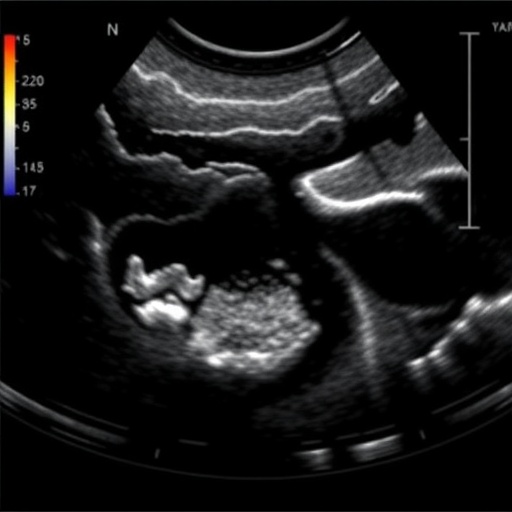
In an innovative approach to understanding the complexities of congenital conditions, a new study led by researchers Zanini, Pereira, and Vaz de Castro has emerged, shedding light on the dynamic evaluation of morphofunctional urinary tract characteristics in newborns and young infants afflicted with myelomeningocele. This condition, a form of spina bifida, poses significant challenges to both mobility and organ function, making thorough and ongoing assessment crucial for improved patient outcomes. Through advanced ultrasound techniques, the study aims to provide invaluable insights into the urinary system’s intricacies, thereby informing future therapeutic strategies.
Historically, myelomeningocele has been a source of concern due to its multifaceted impact on physical health. As a neural tube defect, it results in exposure of the spinal cord and nerves, potentially leading to a range of issues including bladder and bowel dysfunction. The need for effective monitoring is paramount, as children with this condition may not only face immediate medical challenges but also longer-term functional impairments. By employing dynamic ultrasound evaluations, the researchers look to bridge a crucial gap in pediatric care.
Ultrasound has long been established as a safe, non-invasive imaging modality, but its application in assessing urinary tract morphology and function in young patients, particularly those with myelomeningocele, is relatively novel. Dynamic ultrasound enables a real-time assessment of bladder and urethral function, reflecting changes as they occur. This study aims to harness the power of this technique to map out urinary tract abnormalities more effectively than traditional, static imaging methods.
Throughout the course of the study, the researchers monitored several newborns and young infants diagnosed with myelomeningocele, documenting parameters such as bladder capacity, detrusor pressure, and urinary flow rates. Preliminary findings indicated that many of the subjects exhibited significant variances in bladder function and morphology when compared to normative data. Such deviations suggest potential pathways for developing comprehensive care plans tailored to individual patients rather than relying on a one-size-fits-all approach.
Another essential aspect of the research is understanding the relationship between morphologic abnormalities and functional urinary issues. By correlating structural abnormalities seen in ultrasound images with clinical symptoms, the researchers hope to provide clearer guidelines for healthcare providers. This understanding may also extrapolate beyond just monitoring — potentially guiding surgical interventions or pharmacological therapies aimed at improving urinary tract function in this vulnerable population.
Moreover, this research stands to impact the broader medical community’s approach to diagnosing and managing pediatric urological conditions. As dynamic ultrasound technology continues to evolve, findings from this study could encourage wider adoption in clinical settings, leading to improved detection and management strategies in young patients facing a variety of urological defects or dysfunctions.
Engaging with families and caregivers forms a critical component of the research, as their insights into quality of life and symptomatic challenges experienced by their children can shape both research trajectories and clinical practices. Through surveys and interviews, caregivers’ perspectives and experiences are integrated into the study’s framework, enhancing its applicability in real-life situations. This holistic approach acknowledges that medical research should not only be data-driven but also profoundly human-centered.
Ethical considerations surrounding the treatment and monitoring of infants and young children cannot be overstated either. When dealing with vulnerable populations, established protocols must govern the conduct of research, ensuring that enhanced diagnostic approaches like dynamic ultrasound do not compromise the welfare of these patients. The research team adheres strictly to ethical guidelines, prioritizing patient safety and informed consent throughout the study.
The anticipated impact of the findings extends beyond immediate clinical applications, potentially influencing public health policies surrounding screening and early intervention for conditions such as myelomeningocele. By demonstrating the efficacy of dynamic ultrasound evaluations, this research could advocate for policy shifts that emphasize early detection and continuous monitoring, subsequently reducing the risks of more severe complications emerging later in development.
As the release date for the publication approaches, excitement and anticipation are building within both the academic and medical communities. The intricacies of the urinary system, particularly in those with congenital conditions such as myelomeningocele, warrant thorough investigation. The outcomes of this research could pave the way for refined diagnostic tools and better-tailored treatment plans, ultimately leading to enhanced quality of life for those affected.
In conclusion, the innovative work undertaken by Zanini et al. marks a significant stride in pediatric radiology and urology. Their commitment to understanding the urinary system through advanced imaging techniques speaks volumes about the future of pediatric care. By enhancing our diagnostic capabilities and approaching treatment holistically, this research not only seeks to improve clinical outcomes but also aims to illuminate the pathways for transformative change in the management of congenital conditions.
In a world where advancements in medical technology are constantly reshaping the medical landscape, the integration of dynamic ultrasound for monitoring urinary tract characteristics could represent a beacon of hope for families dealing with the challenges of myelomeningocele. The ongoing evolution of such research holds promise not only for better patient care but also for a more profound understanding of the interconnectedness between congenital anomalies and their long-term implications on health.
As we await further developments from this research, it is essential to recognize that every study done in this field contributes to a larger tapestry of knowledge aimed at improving the lives of vulnerable infants and their families. The journey toward optimizing pediatric healthcare is ongoing, and studies like this form critical milestones along that path.
Cite Scienmag News
Harold Sullivan. (November 6, 2025). Ultrasound Assessment of Urinary Tract in Myelomeningocele Infants. Scienmag. https://scienmag.com/ultrasound-assessment-of-urinary-tract-in-myelomeningocele-infants/
Harold Sullivan. "Ultrasound Assessment of Urinary Tract in Myelomeningocele Infants." Scienmag, 6 November 2025, https://scienmag.com/ultrasound-assessment-of-urinary-tract-in-myelomeningocele-infants/. Accessed 4 September 2026.
Harold Sullivan. "Ultrasound Assessment of Urinary Tract in Myelomeningocele Infants." Scienmag. November 6, 2025. https://scienmag.com/ultrasound-assessment-of-urinary-tract-in-myelomeningocele-infants/


