Wednesday, November 4, 2026
Science
No Result
View All Result
  • Login
  • HOME
  • SCIENCE NEWS
  • CONTACT US
  • HOME
  • SCIENCE NEWS
  • CONTACT US
No Result
View All Result
Scienmag
No Result
View All Result
Home Science News Biology

Turkish Gall Extract Disrupts Staphylococcus aureus Biofilms at Multiple Stages

October 29, 2026
in Biology
Kristina Jarvis
By Kristina Jarvis Scienmag Editorial Profile - Infectious Disease Medicine
Reading Time: 3 mins read
0
Turkish Gall Extract Disrupts Staphylococcus aureus Biofilms at Multiple Stages

Turkish Gall Extract Disrupts Staphylococcus aureus Biofilms at Multiple Stages

65
SHARES
587
VIEWS
Share on FacebookShare on Twitter
ADVERTISEMENT

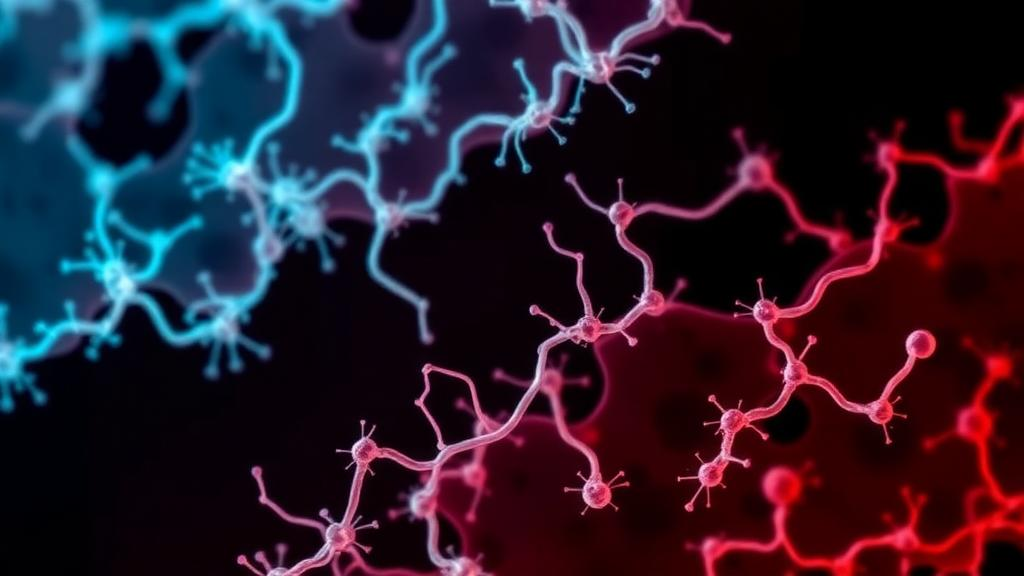
A plant-derived extract from Turkish gall shows potent antibacterial and anti-biofilm activity against Staphylococcus aureus, according to a study published in Annals of Microbiology. The research, conducted on the reference strain S. aureus ATCC 6538, reports that the extract kills bacteria at low concentrations and interferes with the genetic program that allows the pathogen to build its protective biofilm, a structure that shields bacteria from antibiotics and disinfectants.

S. aureus is a common foodborne pathogen and a frequent cause of clinical infections. It forms dense biofilms by adhering to surfaces of objects or the human body, and these communities markedly reduce the bactericidal efficacy of conventional treatments. The new study set out to investigate the inhibitory effect of Turkish gall extract on S. aureus biofilm formation and the molecular mechanisms behind it.

The measured activity was substantial. The minimum inhibitory concentration (MIC) of the extract was 56.25 micrograms per milliliter, and the minimum bactericidal concentration (MBC) was 112.5 micrograms per milliliter, indicating that the extract both halts growth and kills the bacterium at only a twofold higher dose. Following treatment with the extract, the researchers observed significant increases in extracellular alkaline phosphatase (AKP) and nucleic acid content, findings that point to disruption of the bacterial cell wall and membrane integrity. Leakage of these intracellular components is a classic sign that the envelope enclosing the cell has been compromised, a process that can lead directly to bacterial death.

The study also probed how the extract affects biofilm development at the transcriptional level using quantitative real-time PCR. During the initial adhesion stage, when individual cells first attach to a surface, expression of the sarA gene was significantly downregulated.

The icaADB gene cluster was significantly downregulated, while icaR, a negative regulator of the operon, was upregulated. This dual effect would reduce production of the adhesive matrix and slow the consolidation of a mature biofilm, indicating that the extract acts on biofilm development at multiple stages rather than a single point.

Taken together, the authors conclude that Turkish gall extract exhibits significant antibacterial activity against S. aureus and effectively suppresses its biofilm formation. They propose two complementary mechanisms: the extract may directly cause bacterial death by disrupting cell wall and membrane integrity, and it may interfere with initial adhesion and intercellular aggregation by altering the transcription of sarA and ica operon-related genes. This combination of killing activity and biofilm suppression is notable because biofilm-embedded cells are typically far harder to eradicate than free-floating planktonic bacteria.

The findings suggest that plant-derived extracts could offer new strategies for developing anti-biofilm agents, an area of growing interest as biofilm-related infections and contaminated surfaces in food and clinical settings remain difficult to control. Because the work was performed on a single reference strain in vitro, further studies would be needed to confirm the effect across diverse S. aureus isolates and in real-world applications. The authors position the study as providing a theoretical basis for such development rather than a ready-made treatment.

Subject of Research: Antibacterial and anti-biofilm activity of Turkish gall extract against Staphylococcus aureus

Article Title: Evaluation of the antibacterial activity of turkish gall extract against Staphylococcus aureus ATCC 6538

Article References: Wei, Y., Yu, S., Liu, Q., Ma, X., Gu, J., Lin, N., & Ma, X. (2026). Evaluation of the antibacterial activity of turkish gall extract against Staphylococcus aureus ATCC 6538. Annals of Microbiology. https://doi.org/10.1186/s13213-026-01863-9

Image Credits: AI Generated

DOI: 10.1186/s13213-026-01863-9

Keywords: Staphylococcus aureus, Turkish gall extract, biofilm, antibacterial activity, minimum inhibitory concentration, cell membrane disruption, sarA, ica operon, plant-derived antimicrobials, foodborne pathogen, qRT-PCR, Evaluation

Cite Scienmag News

Kristina Jarvis. (October 29, 2026). Turkish Gall Extract Disrupts Staphylococcus aureus Biofilms at Multiple Stages. Scienmag. https://scienmag.com/turkish-gall-extract-disrupts-staphylococcus-aureus-biofilms-at-multiple-stages/

Kristina Jarvis. "Turkish Gall Extract Disrupts Staphylococcus aureus Biofilms at Multiple Stages." Scienmag, 29 October 2026, https://scienmag.com/turkish-gall-extract-disrupts-staphylococcus-aureus-biofilms-at-multiple-stages/. Accessed 4 November 2026.

Kristina Jarvis. "Turkish Gall Extract Disrupts Staphylococcus aureus Biofilms at Multiple Stages." Scienmag. October 29, 2026. https://scienmag.com/turkish-gall-extract-disrupts-staphylococcus-aureus-biofilms-at-multiple-stages/

Tags: alternative strategies for bacterial biofilm eradicationanti-biofilm activityantibacterial activitybiofilmbiofilm inhibition mechanismsbiofilm resistance to antibioticscell membrane disruptionclinical infection treatmentdisruption of bacterial genetic programsevaluationfoodborne pathogenfoodborne pathogen controlica operonlow-dose antibacterial effectsminimum inhibitory concentrationmolecular mechanisms of biofilm disruptionnatural antimicrobial compoundsplant-derived antibacterial agentsplant-derived antimicrobialsqRT-PCRSARAStaphylococcus aureusStaphylococcus aureus biofilmsTurkish gall extract
Share26Tweet16
Previous Post

Experimental Multi-Epitope Vaccine Shields Mice and Chickens Against Salmonella Enteritidis

Next Post

Silver Nanocluster Probe Detects Clonazepam in Exhaled Breath Condensate

Related Posts

Seagrass Species With Different Dispersal Styles React Alike to Nutrient Gradients
Biology

Seagrass Species With Different Dispersal Styles React Alike to Nutrient Gradients

November 4, 2026
Endophytic Fungus Boosts Cold Tolerance in Basil by Activating Cold-Response Genes
Biology

Endophytic Fungus Boosts Cold Tolerance in Basil by Activating Cold-Response Genes

November 4, 2026
Scientists define herd health management in new framework for farm veterinarians
Biology

Scientists define herd health management in new framework for farm veterinarians

November 4, 2026
Scientists assemble the complete mitochondrial genome of Camellia pitardii
Biology

Scientists assemble the complete mitochondrial genome of Camellia pitardii

November 4, 2026
Class 1 and 2 Integrons Widespread in Multidrug-Resistant Pseudomonas aeruginosa From Iranian Hospitals
Biology

Class 1 and 2 Integrons Widespread in Multidrug-Resistant Pseudomonas aeruginosa From Iranian Hospitals

November 4, 2026
Cryo-EM reveals how a retrotransposon and CRISPR–Cas9 team up to insert genes
Biology

Cryo-EM reveals how a retrotransposon and CRISPR–Cas9 team up to insert genes

November 4, 2026
Next Post
Silver Nanocluster Probe Detects Clonazepam in Exhaled Breath Condensate

Silver Nanocluster Probe Detects Clonazepam in Exhaled Breath Condensate

  • Mothers who receive childcare support from maternal grandparents show more optimized

    Mothers who receive childcare support from maternal grandparents show more parental warmth, finds NTU Singapore study

    27656 shares
    Share 11059 Tweet 6912
  • University of Seville Breaks 120-Year-Old Mystery, Revises a Key Einstein Concept

    1061 shares
    Share 424 Tweet 265
  • Bee body mass, pathogens and local climate influence heat tolerance

    682 shares
    Share 273 Tweet 171
  • Researchers record first-ever images and data of a shark experiencing a boat strike

    546 shares
    Share 218 Tweet 137
  • Groundbreaking Clinical Trial Reveals Lubiprostone Enhances Kidney Function

    531 shares
    Share 212 Tweet 133
Science

Embark on a thrilling journey of discovery with Scienmag.com—your ultimate source for cutting-edge breakthroughs. Immerse yourself in a world where curiosity knows no limits and tomorrow’s possibilities become today’s reality!

RECENT NEWS

  • Winter PM2.5 Sources in Taipei Tracked with Receptor Modeling and Trajectory Analysis
  • Filler type barely moves the needle on ultra-high-performance concrete strength, database study finds
  • Deep learning model predicts wind-induced bridge vibrations from five years of monitoring data
  • Carbon-Ion Radiotherapy Before Surgery Yields Strong Tumor Response in Advanced Pancreatic Cancer

Categories

  • Agriculture
  • Anthropology
  • Archaeology
  • Athmospheric
  • Biology
  • Biotechnology
  • Blog
  • Bussines
  • Cancer
  • Chemistry
  • Climate
  • Earth Science
  • Editorial Policy
  • Marine
  • Mathematics
  • Medicine
  • Pediatry
  • Policy
  • Psychology & Psychiatry
  • Science Education
  • Science News
  • Social Science
  • Space
  • Technology and Engineering

Subscribe to Blog via Email

Enter your email address to subscribe to this blog and receive notifications of new posts by email.

Join 5,149 other subscribers

© 2025 Scienmag - Science Magazine

Welcome Back!

Login to your account below

Forgotten Password?

Retrieve your password

Please enter your username or email address to reset your password.

Log In
No Result
View All Result
  • HOME
  • SCIENCE NEWS
  • CONTACT US

© 2025 Scienmag - Science Magazine

Discover more from Science

Subscribe now to keep reading and get access to the full archive.

Continue reading