

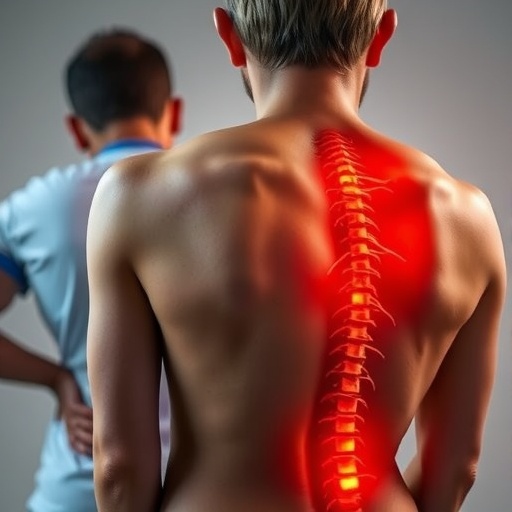
A recent study led by a team of researchers, including Tan, Wong, and Qiao, shifted the spotlight on chronic low back pain, a condition that plagues millions of individuals worldwide. As the prevalence of chronic low back pain escalates, there is an urgent need for effective treatment modalities. This investigative effort explored the effectiveness of two widely practiced interventions, tuina and physiotherapy, shedding light on how these methods can offer relief to patients suffering from this debilitating condition.
Chronic low back pain is not only a physical ailment but a complex interplay of biological, psychological, and social factors. It often leads to significant disability, impacting both the quality of life and productivity of individuals. The research aimed to critically analyze whether the integration of traditional Chinese medicine techniques, specifically tuina, could stand up to the more western approach of physiotherapy in managing this pervasive health issue.
Tuina, a form of therapeutic massage rooted in traditional Chinese medicine, focuses on the flow of energy through the body to promote healing. It employs techniques such as kneading, rolling, and pressing specific pressure points to alleviate pain and enhance mobility. Conversely, physiotherapy employs a scientifically informed approach involving physical exercises, manual therapy, and modalities like ultrasound and electrical stimulation to treat musculoskeletal pain. The juxtaposition of these two methodologies forms the core of this study’s inquiry.
This pragmatic randomized clinical trial recruited a diverse group of participants diagnosed with chronic low back pain, ensuring a comprehensive representation. Participants were randomly assigned to either the tuina treatment group or the physiotherapy group, setting the stage for a rigorous comparison of both treatment efficacy. The research design was meticulously crafted to minimize bias and control for variables that could affect the outcomes, providing robust data for analysis.
The number of sessions each participant underwent varied, with the tuina group receiving a series of hands-on manipulation treatments, while the physiotherapy group participated in a regimen of tailored exercises and rehabilitative techniques. Both groups were monitored closely throughout their treatment periods, which allowed for precise data collection regarding pain intensity, mobility, and overall functionality. This careful monitoring is crucial as it emphasizes the importance of evidence-based practices in clinical settings.
As the study progressed, the researchers utilized various assessment tools to gauge treatment efficacy. Pain intensity was measured through standardized scales, while mobility was assessed using functional tests designed to evaluate daily activities. These metrics provided invaluable feedback on the effectiveness of each intervention, allowing researchers to determine not only pain relief but also improvements in patients’ overall quality of life.
Initial findings indicated that both tuina and physiotherapy contributed positively to pain management, yet differences emerged regarding their effectiveness in specific areas. For instance, participants in the tuina group reported significant reductions in pain immediately following treatment, highlighting the immediate benefits of this ancient technique. Conversely, those in the physiotherapy group displayed more gradual improvements, suggesting that while tuina might provide quicker relief, physiotherapy may pave the way for long-term recovery and maintenance.
The researchers emphasized the importance of a holistic approach to treatment, recognizing that pain management extends beyond just alleviating symptoms. Engaging patients in their treatment process and incorporating their feedback led to a more personalized treatment experience. This adaptive approach is crucial in chronic pain management, where individual responses to treatment can vary widely.
Comparative analysis further revealed a notable point: while immediate effects were more pronounced with tuina, the sustainability of pain relief and physical function appeared stronger in the physiotherapy group. This aspect sparks an interesting discussion within the broader medical community regarding short-term versus long-term treatment strategies and outcomes.
Ultimately, the implications of this study extend beyond the realm of academic inquiry; they provoke critical reflections on the integration of traditional and contemporary medical practices. As healthcare continues to evolve, there is a pressing need to bridge the knowledge gap that exists between these differing modalities, paving the way for more comprehensive and multifaceted treatment options for patients.
Future research endeavors could expand on these findings, perhaps by exploring combination therapies that draw upon the strengths of both tuina and physiotherapy. This integrative approach may not only enhance pain management but also foster an understanding of how various treatment modalities can work synergistically to benefit patients.
In conclusion, the findings from Tan, Wong, and Qiao’s study underscore the significance of continued research into alternative and complementary therapies for chronic low back pain management. As the understanding of this condition deepens, so too does the potential to offer patients more tailored and effective treatment options. Moving forward, the healthcare community must remain committed to exploring innovative strategies that address the complexities of chronic pain, with the goal of improving patient outcomes and enhancing quality of life.
By bridging traditional practices with contemporary scientific methods, we stand on the precipice of a new era in pain management. This study is not just a contribution to the field; it is a call to action for clinicians, researchers, and patients alike to embrace a more holistic vision of health and wellness.
Subject of Research: Effectiveness of tuina and physiotherapy for chronic low back pain management
Article Title: Effectiveness of tuina and physiotherapy to manage pain for patients with chronic low back pain: a pragmatic randomized clinical trial.
Article References:
Tan, I., Wong, H., Qiao, F. et al. Effectiveness of tuina and physiotherapy to manage pain for patients with chronic low back pain: a pragmatic randomized clinical trial.
BMC Complement Med Ther (2026). https://doi.org/10.1186/s12906-025-05234-w
Image Credits: AI Generated
DOI: 10.1186/s12906-025-05234-w
Keywords: Chronic Low Back Pain, Tuina, Physiotherapy, Pain Management, Randomized Clinical Trial, Complementary Medicine.


