

Wednesday, November 4, 2026
Science
No Result
View All Result
  • Login
  • HOME
  • SCIENCE NEWS
  • CONTACT US
  • HOME
  • SCIENCE NEWS
  • CONTACT US
No Result
View All Result
Scienmag
No Result
View All Result
Home Science News Medicine

Traumatic Venous Sinus Thrombosis: Anticoagulation Benefit Remains Uncertain in 14-Year Study

October 28, 2026
in Medicine
Ophelia Keating
By Ophelia Keating Scienmag Editorial Profile - Health Services Research
Reading Time: 3 mins read
0
Traumatic Venous Sinus Thrombosis: Anticoagulation Benefit Remains Uncertain in 14-Year Study

Traumatic Venous Sinus Thrombosis: Anticoagulation Benefit Remains Uncertain in 14-Year Study

65
SHARES
587
VIEWS
Share on FacebookShare on Twitter
ADVERTISEMENT

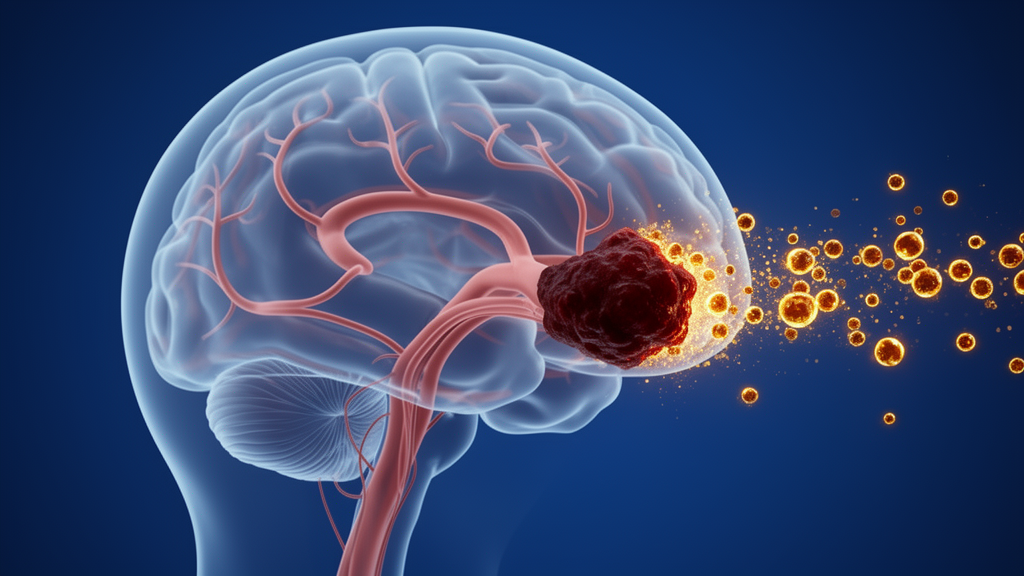
Traumatic cerebral venous sinus thrombosis, a rare but dangerous complication of head injury, remains one of the most management-challenging conditions in neurocritical care. A new retrospective cohort study from a level 1 trauma center in Melbourne, Australia, published in Neurocritical Care, has now documented how the condition was identified, treated and resolved in 138 patients over more than fourteen years, and its central message is sobering: the clinical benefit of anticoagulation in this setting remains unproven.

The researchers identified patients from the Alfred Health Trauma Registry and hospital coding data between 1 January 2010 and 30 June 2024. Because accurate diagnosis matters, venous imaging was reviewed by two neuroradiologists to confirm the tCVST diagnosis and characterize each thrombus. The condition was confirmed in 138 patients, representing an incidence of 0.9% within the center’s traumatic brain injury population. All-cause inpatient mortality was 10.9%, corresponding to 15 deaths among the cohort.

Anticoagulation, which is often used to prevent intracranial complications of venous sinus thrombosis, was administered to 78 patients, or 56.5% of the cohort. Treatment began a median of five days after diagnosis, with an interquartile range of two to nine days. Importantly, the decision to anticoagulate was not made in a vacuum: patients who received anticoagulation generally had less severe traumatic injuries, as measured by the Injury Severity Score and admission Glasgow Coma Scale, but were more likely to have occlusive thrombosis. This pattern of selection highlights the central confounding problem in tCVST research, since concurrent traumatic brain injury and other injuries complicate treatment decisions and make it difficult to isolate the effect of any single therapy.

Among the 123 patients who survived to hospital discharge, 93 underwent follow-up venous imaging from day 14 onward. Complete recanalization, meaning the blocked venous sinus reopened, was achieved in 57% of these patients by their final available imaging. The primary outcome of the study was discharge destination, with recanalization assessed as a secondary outcome, reflecting the clinical reality that functional recovery after head trauma depends on far more than the state of the venous sinuses alone.

The imaging analysis yielded two clear radiographic predictors of poorer recanalization: occlusive thrombosis and involvement of multiple sinuses. Patients whose thrombus completely occluded a sinus, or whose thrombus extended across several sinuses, were less likely to achieve complete reopening on follow-up scans. Strikingly, however, the study identified no association between anticoagulation and recanalization, a finding that will resonate with clinicians who have long lacked consensus guidelines for this condition.

The authors conclude that traumatic CVST is a rare complication of head injury with multiple confounders influencing outcomes and uncertain optimal management, and that the clinical benefit of anticoagulation in this cohort requires further investigation. As a single-center retrospective study, the findings describe practice patterns and associations rather than establishing causal treatment effects, and the authors themselves frame their results as a call for further investigation rather than a change in practice.

Subject of Research: Management and outcomes of traumatic cerebral venous sinus thrombosis after head injury

Article Title: Management and Outcomes in Traumatic Cerebral Venous Sinus Thrombosis

Article References: Richardson, T. E., Balabanski, A. H., Moses, J., Colman, B., Churilov, L., Whiriskey, R., Kam, A., Mathew, J., & Cloud, G. C. (2026). Management and Outcomes in Traumatic Cerebral Venous Sinus Thrombosis. Neurocritical Care. https://doi.org/10.1007/s12028-026-02687-w

Image Credits: AI Generated

DOI: 10.1007/s12028-026-02687-w

Keywords: traumatic cerebral venous sinus thrombosis, traumatic brain injury, anticoagulation, sinus recanalization, retrospective cohort study, neurocritical care, level 1 trauma center, injury severity score, venous imaging, inpatient mortality, Management, Outcomes

Cite Scienmag News

Ophelia Keating. (October 28, 2026). Traumatic Venous Sinus Thrombosis: Anticoagulation Benefit Remains Uncertain in 14-Year Study. Scienmag. https://scienmag.com/traumatic-venous-sinus-thrombosis-anticoagulation-benefit-remains-uncertain-in-14-year-study/

Ophelia Keating. "Traumatic Venous Sinus Thrombosis: Anticoagulation Benefit Remains Uncertain in 14-Year Study." Scienmag, 28 October 2026, https://scienmag.com/traumatic-venous-sinus-thrombosis-anticoagulation-benefit-remains-uncertain-in-14-year-study/. Accessed 4 November 2026.

Ophelia Keating. "Traumatic Venous Sinus Thrombosis: Anticoagulation Benefit Remains Uncertain in 14-Year Study." Scienmag. October 28, 2026. https://scienmag.com/traumatic-venous-sinus-thrombosis-anticoagulation-benefit-remains-uncertain-in-14-year-study/

Tags: anticoagulationanticoagulation therapy in brain injurychallenges in managing traumatic cerebral venous sinus thrombosisevidence-based analysis ofincidence and outcomes of traumatic cerebral venous sinus thrombosisinjury severity scoreinpatient mortalitylevel 1 trauma centerlong-term study of venous sinus thrombosis treatmentmanagementmortality risk factors in traumatic venous sinus thrombosisneurocritical careneurocritical care managementneuroimaging and diagnosis of cerebral venous thrombosisoutcomesretrospective cohort studyretrospective cohort study in neurovascular conditionsrole of anticoagulation in traumatic brain injurysinus recanalizationtraumatic brain injurytraumatic cerebral venous sinus thrombosistraumatic venous sinus thrombosisvenous imaging
Share26Tweet16
Previous Post

No One to Blame: A Psychiatry Trainee Learns Guilt Is Not Culpability

Next Post

New Graph Pangenome Pipeline Simplifies Plant Organelle Genome Analysis

Related Posts

Thai school teachers know food triggers anaphylaxis but few reach for epinephrine
Pediatry

Thai school teachers know food triggers anaphylaxis but few reach for epinephrine

November 4, 2026
Tablet Press Trick: Watching Density Shifts Expose Hidden Drug Crystal Changes
Medicine

Tablet Press Trick: Watching Density Shifts Expose Hidden Drug Crystal Changes

November 4, 2026
Eyelid’s oil glands run on sugar, study finds
Medicine

Eyelid’s oil glands run on sugar, study finds

November 4, 2026
Most Married Women at Kabul Maternity Hospital Know and Use Contraception, Study Finds
Medicine

Most Married Women at Kabul Maternity Hospital Know and Use Contraception, Study Finds

November 4, 2026
Pulse oximeters may undercount sleep apnea severity in Black patients
Medicine

Pulse oximeters may undercount sleep apnea severity in Black patients

November 4, 2026
Scientists decode the hidden rules that steer brain cancer cell states
Cancer

Scientists decode the hidden rules that steer brain cancer cell states

November 4, 2026
Next Post
New Graph Pangenome Pipeline Simplifies Plant Organelle Genome Analysis

New Graph Pangenome Pipeline Simplifies Plant Organelle Genome Analysis

  • Mothers who receive childcare support from maternal grandparents show more optimized

    Mothers who receive childcare support from maternal grandparents show more parental warmth, finds NTU Singapore study

    27656 shares
    Share 11059 Tweet 6912
  • University of Seville Breaks 120-Year-Old Mystery, Revises a Key Einstein Concept

    1061 shares
    Share 424 Tweet 265
  • Bee body mass, pathogens and local climate influence heat tolerance

    682 shares
    Share 273 Tweet 171
  • Researchers record first-ever images and data of a shark experiencing a boat strike

    546 shares
    Share 218 Tweet 137
  • Groundbreaking Clinical Trial Reveals Lubiprostone Enhances Kidney Function

    531 shares
    Share 212 Tweet 133
Science

Embark on a thrilling journey of discovery with Scienmag.com—your ultimate source for cutting-edge breakthroughs. Immerse yourself in a world where curiosity knows no limits and tomorrow’s possibilities become today’s reality!

RECENT NEWS

  • Researchers Build a Scoring Framework to Rank Sustainable Roofs for Egypt’s Scorching Deserts
  • Thai school teachers know food triggers anaphylaxis but few reach for epinephrine
  • Five-year Danish field trial shows glacial rock flour removes carbon through two soil pathways
  • Tablet Press Trick: Watching Density Shifts Expose Hidden Drug Crystal Changes

Categories

  • Agriculture
  • Anthropology
  • Archaeology
  • Athmospheric
  • Biology
  • Biotechnology
  • Blog
  • Bussines
  • Cancer
  • Chemistry
  • Climate
  • Earth Science
  • Editorial Policy
  • Marine
  • Mathematics
  • Medicine
  • Pediatry
  • Policy
  • Psychology & Psychiatry
  • Science Education
  • Science News
  • Social Science
  • Space
  • Technology and Engineering

Subscribe to Blog via Email

Enter your email address to subscribe to this blog and receive notifications of new posts by email.

Join 5,149 other subscribers

© 2025 Scienmag - Science Magazine

Welcome Back!

Login to your account below

Forgotten Password?

Retrieve your password

Please enter your username or email address to reset your password.

Log In
No Result
View All Result
  • HOME
  • SCIENCE NEWS
  • CONTACT US

© 2025 Scienmag - Science Magazine

Discover more from Science

Subscribe now to keep reading and get access to the full archive.

Continue reading

