


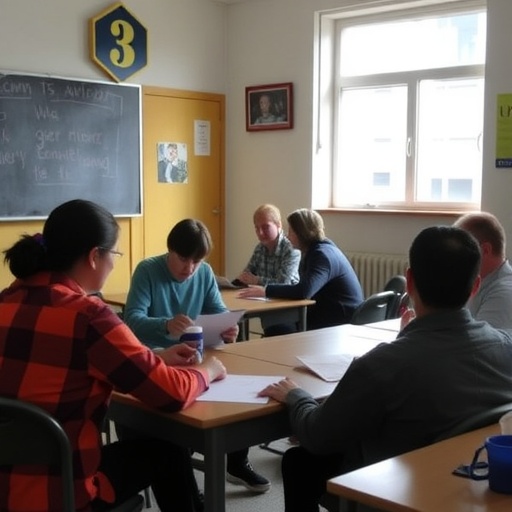
In the heart of Ukraine, amidst the devastating effects of war, a groundbreaking approach to education is being developed. The concept of trauma-informed education, particularly in the context of pre-service teacher training, has emerged as an urgent necessity as the country grapples with the psychological fallout of ongoing conflict. This innovative educational paradigm emphasizes understanding the effects of trauma and integrating this knowledge into teaching practices to better support students dealing with the impacts of violence and instability.
The necessity for trauma-informed education stems not just from the immediate effects of war, but also from the long-term psychological consequences affecting children and youth. As internal and external displacements become a reality for many, educational settings are increasingly called upon to serve not only as academic institutions but also as sanctuary spaces. Young people exposed to adversity often struggle with emotional regulation, academic performance, and social interactions. Hence, equipping future educators with the skills and understanding necessary to navigate these complex emotional landscapes is critical.
In this context, researchers Molhamova, Otroshchenko, and Tatsenko have conducted a comprehensive study focusing on the integration of trauma-informed practices into teacher training programs in Ukraine. Their findings reveal significant insights into how future educators can be better prepared to handle the challenges presented by the traumatic experiences of their students. This initiative not only seeks to reshape teacher training but also endeavors to transform the overall educational experience for youth affected by conflict.
The researchers identify several core components that underpin trauma-informed education. First and foremost, there is a strong emphasis on creating a safe, supportive learning environment where students feel valued and understood. This type of environment fosters trust and enables students to express their emotions without fear of judgment. By feeling safe, students are more likely to engage proactively in their education and overcome barriers imposed by trauma.
Moreover, understanding the symptoms of trauma is crucial for pre-service educators. The researchers highlight that trauma can manifest in various ways—from anxiety and withdrawal to aggression and hyper-vigilance. Teacher training programs must incorporate curricula that inform future educators about these potential behaviors and equip them with strategies to address them effectively. This understanding empowers teachers to respond with empathy and appropriate interventions, ultimately benefiting the student’s educational journey.
Collaboration is also a key component of trauma-informed education. The researchers emphasize the role of teamwork among educators, mental health professionals, and community organizations. By working together, these stakeholders can create comprehensive support networks for children and adolescents facing the adverse effects of trauma. Such alliances bridge gaps between educational institutions and community resources, enabling a more cohesive approach to healing and support.
Moreover, the research indicates that engaging families in the educational process can enhance trauma-informed practices. Families often hold vital insights into the specific traumas their children face, and involving them in the development of educational plans can foster a sense of partnership in education. This partnership not only empowers families but also provides educators with crucial context that informs their teaching approach.
Crucially, the study examines the role of self-care for teachers as a vital aspect of implementing trauma-informed practices. Teaching in a context marked by trauma can take a toll on educators’ mental health. The researchers propose that training should also focus on self-care strategies for teachers, allowing them to maintain their well-being while providing the necessary support to students. Only when educators are mentally and emotionally healthy can they effectively support the healing process of their students.
As the conflict in Ukraine continues, the insights from this research become increasingly relevant. It serves as a clarion call for educational reform, urging policymakers and educational leaders to adopt trauma-informed practices across the board. By prioritizing the emotional and psychological needs of students, the education system can not only promote resilience but also help cultivate a generation of learners capable of overcoming adversity.
The potential for trauma-informed education to effect change is vast. As educators implement these informed practices, they can expect to see improvements in student behavior, academic performance, and overall school climate. Moreover, trauma-informed education can foster empathy, resilience, and emotional intelligence among students, qualities that benefit them throughout life, not just in their academic pursuits.
In a globally interconnected world, the implications of trauma-informed education extend beyond local contexts. The lessons learned from Ukraine may serve as a model for other nations grappling with the effects of violence and conflict. As educators worldwide seek ways to support students facing trauma, the findings of this study could act as a guiding framework for not only Ukrainian educators but for those in similar circumstances internationally.
Ultimately, as the need for innovative educational approaches grows, so too does the hope for healing hearts and minds through transformative education. The journey towards fully integrating trauma-informed practices in pre-service teacher training presents challenges but also holds the promise of improving the educational landscape for generations to come. The researchers’ commitment to addressing these pressing issues reinforces the significance of education as a mechanism for healing and a pathway towards a more stable future.
Through this lens, trauma-informed education emerges as more than just an educational strategy—it becomes a vital revolution in how educators relate to and support their students in times of crisis. The ongoing results of the study signal an evolving understanding of education’s role in not just imparting knowledge but also nurturing resilient and capable individuals capable of contributing positively to their communities.
As war continues to shape experiences within the classroom, teachers’ roles will undoubtedly carry even greater significance. The steps being taken to prepare future educators reflect the resilience of a nation dedicated to creating a hopeful future, one where education becomes a cornerstone for healing and transformation. The implications of this study will echo through the lives of students, educators, and the broader society, turning the challenges posed by trauma into opportunities for growth and revitalization.
In conclusion, the work of Molhamova, Otroshchenko, and Tatsenko shines a light on the critical intersection of education and mental health during times of struggle. Their research highlights an urgent opportunity for reform, urging all involved in the educational system to consider the profound implications of trauma on learning and growth.
While the road ahead is uncertain, the momentum created by this research provides a foundation of hope and an actionable framework for a better tomorrow.
Molhamova, L., Otroshchenko, L. & Tatsenko, N. Trauma-Informed Education in pre-service teacher training during The Wartime: a Case Study of Ukraine.
Journ Child Adol Trauma (2025). https://doi.org/10.1007/s40653-025-00741-x
Cite Scienmag News
Courtney Benton. (October 12, 2025). Trauma-Informed Teacher Training Amid Ukraine’s Wartime Crisis. Scienmag. https://scienmag.com/trauma-informed-teacher-training-amid-ukraines-wartime-crisis/
Courtney Benton. "Trauma-Informed Teacher Training Amid Ukraine’s Wartime Crisis." Scienmag, 12 October 2025, https://scienmag.com/trauma-informed-teacher-training-amid-ukraines-wartime-crisis/. Accessed 4 September 2026.
Courtney Benton. "Trauma-Informed Teacher Training Amid Ukraine’s Wartime Crisis." Scienmag. October 12, 2025. https://scienmag.com/trauma-informed-teacher-training-amid-ukraines-wartime-crisis/


