

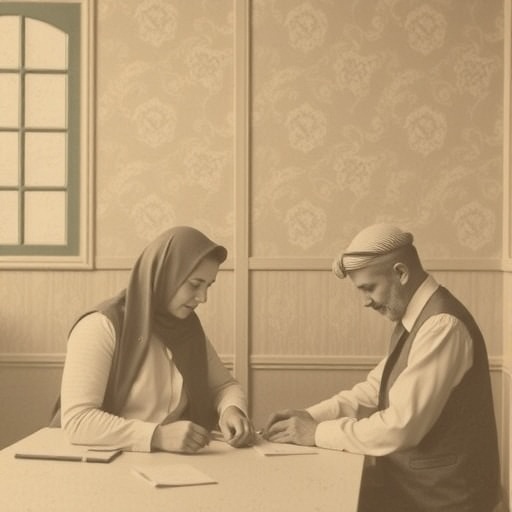
The medical education system in Afghanistan has undergone profound transformations throughout its history, reflecting the socio-political landscape and cultural evolution of the nation. As Afghanistan navigates through significant turmoil and challenges, the historical evolution of its medical education serves as a pivotal case study, revealing not only the resilience of its education system but also the pressing need for effective healthcare solutions in a nation that has faced decades of conflict. Understanding this evolution is essential for grasping the current state of medical training and the prospects for future advancements in Afghanistan’s healthcare sector.
From the earliest days of formal education in Afghanistan to the establishment of medical colleges, the journey has been neither straightforward nor easy. The nation’s foray into medical education dates back to the late 19th century, spearheaded by advances introduced during the reign of Amir Sher Ali Khan, who sought to modernize various sectors, including healthcare. This early period saw the emergence of rudimentary medical training, primarily influenced by traditional medicine practices and the limited availability of trained healthcare professionals. As a result, the educational framework was heavily reliant on apprenticeship models, where aspiring doctors learned by shadowing experienced practitioners.
The early 20th century marked a turning point, as Afghanistan began establishing formal medical institutions. The Kabul Medical Institute, founded in 1932, represented a significant leap in the organization and delivery of medical education in the country. This institution became a beacon of hope, nurturing future generations of healthcare providers and laying the groundwork for a more structured medical curriculum. However, the impact of this advancement was often overshadowed by political instability and social upheaval, which hampered the growth of the education system and forced many qualified educators and doctors to seek refuge abroad.
During the 1960s and 1970s, Afghanistan experienced a fleeting period of relative stability that allowed for further developments in medical education. New medical schools were established, and curriculum reforms were introduced to incorporate modern medical practices and knowledge. International collaboration played a vital role during this time, as educational programs began to attract foreign faculty and resources, fostering a diverse learning environment. The growing emphasis on scientific inquiry and evidence-based practices marked this era as one of optimism for the healthcare sector in Afghanistan.
However, the onset of conflict in the late 1970s abruptly altered the trajectory of medical education. The Soviet invasion in 1979 initiated a devastating war that lasted for years, leading to the disintegration of Afghanistan’s education systems, including those dedicated to healthcare. Over the next several decades, many medical professionals either fled the country or were killed, resulting in a catastrophic brain drain that severely affected medical training and practice. The absence of qualified educators and the destruction of infrastructure led to the difficulty of maintaining medical education standards, ultimately undermining public health efforts.
Throughout the following years of civil strife and Taliban rule, medical education faced the dire consequences of a nation embroiled in conflict. Educational institutions were often targeted, and the curriculum was constricted to align with strict ideological tenets. Women, in particular, faced significant barriers to accessing education, which curtailed the participation of half the population in healthcare professions. The effects of this systematic exclusion can still be felt today, as the healthcare workforce remains male-dominated, creating challenges for gender equity in medical practice and education.
The post-Taliban period beginning in 2001 witnessed a resurgence of efforts to revitalize the medical education system in Afghanistan. International support and reconstruction initiatives catalyzed the expansion of existing medical schools, resulting in enhanced facilities and increased student enrollment. A renewed focus on primary healthcare and preventative medicine emphasized the importance of community-based approaches, aiming to improve health outcomes for the Afghan population. Collaborative partnerships with foreign universities have facilitated the sharing of best practices, thereby enhancing curriculum development and research capacities.
Nonetheless, the road to recovery has been fraught with obstacles. Resilience and adaptability have been crucial for the educational institutions striving to thrive in an unpredictable environment. Many challenges persist, including limited resources, inadequate infrastructure, and political instability, which complicate the implementation of modernized medical curricula. Ongoing assessments of student competency and professional training remain essential to rebuild the healthcare workforce capable of addressing the myriad health issues faced by the Afghan people.
Moreover, the COVID-19 pandemic has exposed systemic vulnerabilities within the healthcare education sector, presenting yet another challenge for aspiring medical professionals. The necessity of implementing online learning modalities highlighted gaps in technological access and digital literacy among students and educators alike. Addressing these disparities is vital not only for building a robust medical education framework but also for ensuring the long-term sustainability of healthcare services in Afghanistan.
As Afghanistan continues to confront ongoing instability, the urgent need for a well-functioning medical education system remains ever more pertinent. Efforts to integrate innovative practices and diverse teaching methodologies are crucial for cultivating a new generation of healthcare providers who can adapt to the demands of modern medicine. By fostering local capacity and encouraging collaboration within the region, Afghanistan can harness its potential to create a thriving healthcare sector that meets the needs of its population.
In summary, the evolution of Afghanistan’s medical education system encapsulates a rich yet tumultuous history, interwoven with narratives of resilience, struggle, and aspiration. As the nation confronts new challenges, understanding the historical context of medical training can provide valuable lessons for future advancements. By prioritizing educational reform and workforce development, Afghanistan might slowly yet steadfastly rebuild a healthcare system that can address the pressing health issues it faces today and ensure a brighter future for its citizens.
Subject of Research: The historical evolution of the medical education system in Afghanistan
Article Title: Historical evolution of medical education system in Afghanistan: a narrative review.
Article References:
Rahimi, A., Hasin, B.A., Masudi, M. et al. Historical evolution of medical education system in Afghanistan: a narrative review. Discov Educ (2026). https://doi.org/10.1007/s44217-025-01013-4
Image Credits: AI Generated
DOI:
Keywords: Medical education, Afghanistan, healthcare system, historical evolution, curriculum development, healthcare workforce, women in medicine, education reform.


