

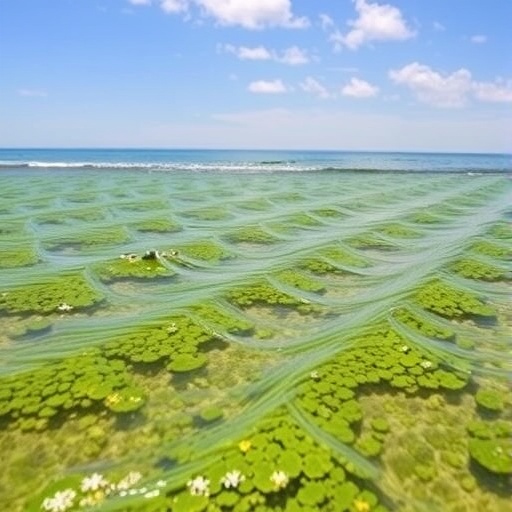
A year-long algal bloom along the South Australian coastline has caused catastrophic damage to marine ecosystems, but its impact reaches far beyond environmental degradation. Groundbreaking research from Adelaide University reveals that this ecological disaster has induced significant psychological distress among local communities, a phenomenon now recognized as eco-anxiety. This study brings to light the profound and often overlooked mental health consequences of marine environmental crises, highlighting an urgent intersection between ecological events and human well-being.
The extensive bloom, which has persisted over a twelve-month period, led to the mass mortality of thousands of marine animals and triggered multiple health advisories for human and pet populations. However, the psychological toll on residents living near the affected coastal areas was the primary focus of this new research. Through a comprehensive survey conducted by Dr. Brianna Le Busque, Program Director of Environmental Science and Geospatial Science at Adelaide University, insights were gained into how environmental degradation translates into sustained mental distress among those intimately connected to the marine environment.
More than 600 South Australian residents were surveyed during the most intense phase of the bloom, revealing strikingly high levels of eco-anxiety—a form of chronic worry and helplessness stemming from environmental harm. The data showed that over 60% of respondents frequently ruminated on the bloom’s ramifications, unable to disengage from thoughts about its harmful effects. This persistent cognitive focus on environmental trauma reveals the deep psychological imprint that such natural disasters imprint on affected communities.
Beyond rumination, the emotional symptoms reported were alarming. Over half of participants experienced anxiety and fear directly associated with the ongoing crisis. Such psychological distress was severe enough to interfere with everyday functioning; one in five respondents reported disruptions in sleep patterns and concentration. These findings underscore that the human consequences of environmental calamities extend far beyond physical health and economic loss, permeating into the mental and emotional fabric of society.
Notably, the study found a gender disparity in eco-anxiety symptoms, with women experiencing significantly higher distress levels than men. This aligns with previous psychological research suggesting differential emotional responses based on gender in the context of environmental and social stressors. Furthermore, individuals who regularly engaged with the ocean prior to the bloom reported intensified feelings of loss and anxiety, suggesting that a strong connection to nature can magnify vulnerability to eco-distress.
The bloom also profoundly disrupted residents’ relationships with their local marine environment. For many individuals, the coastline functions as a vital space for recreation, relaxation, and mental restoration. The bloom’s visible devastation—dead marine life strewn along the shore, toxic foam accumulation, and public health warnings—transformed these once comforting natural spaces into sources of distress. Nearly half of those surveyed ceased participating in activities such as swimming, surfing, walking along the beach, or fishing, severing an important coping and well-being mechanism.
Mental health deterioration was prominent among those directly affected by the bloom, with nearly 40% reporting symptoms akin to grief, frustration, and depression. Some described the experience of witnessing the mass die-off of marine animals as profoundly traumatic, likening it to the loss of a loved one. The visceral imagery of coastal death events thus evokes deep psychological responses that ripple through entire communities, emphasizing the high emotional stakes of ecological calamities.
Physical health was also impacted; roughly one-quarter of those surveyed reported respiratory symptoms including coughing and irritation after visiting bloom-affected beaches. This intersection of environmental exposure and human health further compounds the burden on local populations, creating a multifaceted public health challenge that integrates ecological, psychological, and physiological dimensions.
Dr. Le Busque’s research advocates for the formal recognition of eco-anxiety as a legitimate public health concern. As the effects of climate change accelerate the frequency and severity of harmful marine events such as heatwaves and algal blooms, addressing the psychosocial consequences must become integral to environmental response strategies. This approach will necessitate collaboration across environmental science, psychology, and public health sectors to develop holistic resilience frameworks.
Understanding the mental health repercussions of environmental crises is also essential for fostering community resilience. Equipping affected populations with adequate psychological support services and adaptive coping strategies can mitigate the long-term societal costs of environmental degradation. Moreover, acknowledging the interconnectedness of ecological and human health is crucial for shaping policies that prioritize both ecosystem restoration and mental well-being.
Ultimately, this study reveals a somber truth: the degradation of the ocean’s health inevitably precipitates a corresponding crisis in the mental health of dependent human communities. As environmental changes accelerate globally, the story of South Australia’s algal bloom serves as a potent reminder that marine disasters are not isolated ecological events but deeply human tragedies. Addressing these intertwined challenges will be fundamental to safeguarding futures where both marine ecosystems and human societies can thrive.
Subject of Research: People
Article Title: Psychological Toll of a Marine Environmental Crisis
News Publication Date: 20-Feb-2026
Web References: http://dx.doi.org/10.1016/j.jenvp.2026.102964
References: Journal of Environmental Psychology, DOI: 10.1016/j.jenvp.2026.102964
Image Credits: Adelaide University
Keywords: Algae, Red tides, Mental health


