


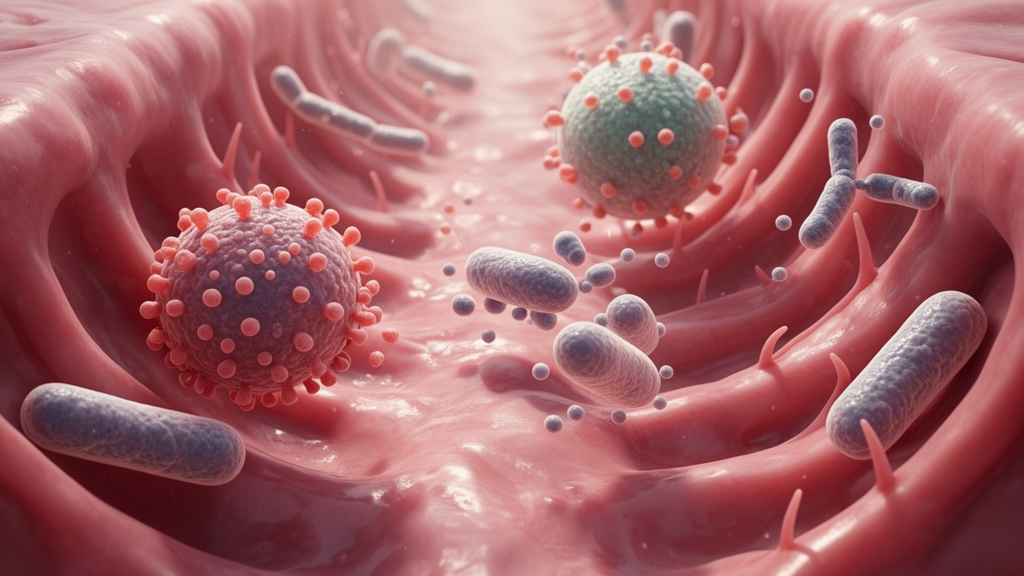
Researchers have reported the complete genomic characterization of three distinct pathogens isolated from a single pneumonic lung sample in a case of bovine respiratory disease complex. The study, published in BMC Genomic Data, details the simultaneous presence of Mycoplasma bovis, Mannheimia haemolytica, and bovine viral diarrhea virus 1 in a diseased bovine. This case study highlights the multifactorial nature of the disease, which arises from the interaction among various pathogens, environmental stressors, host factors, and management practices. By sequencing the genomes of these co-occurring agents, the research provides a detailed molecular snapshot of a naturally occurring co-infection event that is difficult to replicate in controlled experimental settings.
The lung tissue sample was received at the California Animal Health and Food Safety Laboratory at the University of California, Davis, on October 30, 2020. The sample originated from a 500-pound bovine that had been co-mingled at a multi-source location in Merced County, California. Initial diagnostic testing using a proprietary qPCR-based bovine respiratory molecular diagnostic panel identified the presence of BVDV, M. bovis, M. haemolytica, and Histophilus somni. However, because H. somni could not be recovered by culture, the subsequent genomic analysis focused exclusively on the three successfully isolated pathogens: M. bovis, M. haemolytica, and BVDV.
The M. bovis isolate, designated as BC10, underwent extensive comparison with publicly available genomes to determine its genetic lineage. Multilocus sequence typing analysis revealed that BC10 was unassignable by the standard Register et al. scheme due to the presence of two novel alleles, gltX 28 and gpsA 32. Consequently, the isolate was identified as a new sequence type, designated ST299. Despite this unique typing, core genome phylogenetic analysis indicated that BC10 shares a most common recent ancestor with the M. bovis type strain PG45, also known as Donetta, which was originally isolated from a mastitis outbreak in 1961. This phylogenetic clustering suggests that the type strain remains relatively representative of some currently circulating M. bovis strains.
Further genomic examination of BC10 revealed significant structural variations and unique surface proteins. The genome contained an inversion of 253-kb compared to M. agalactiae strain PG2 and a 613-kb inversion compared to PG45. A pangenome analysis showed that while BC10 did not carry unique proteins relative to all other M. bovis genomes, it possessed a variable surface lipoprotein with 97.2% nucleic acid identity to other strains. The BC10 genome contained a total of 30 variable surface lipoprotein genes, with 16 located in a 20.7-kb region, compared to the 26 total genes found in PG45. These highly variable surface lipoproteins are known to contribute to the rapid evolution of M. bovis and its ability to evade host immune responses.
The Mannheimia haemolytica isolate, named BC2, was assigned to genotype 2 and sequence type 1, which is the most common sequence type among publicly available M. haemolytica genomes. Core genome phylogenetic analysis indicated that ST1 and serotype 1 assignments were broadly distributed across the phylogenetic tree, suggesting a widespread distribution of this lineage. Pangenome analysis revealed that BC2 did not carry any unique genes when compared to other M. haemolytica genomes. Additionally, screening with the ResFinder database did not identify any antimicrobial resistance genes in the BC2 isolate, and its virulence-associated gene profile was comparable to other serotype 1 genomes.
The bovine viral diarrhea virus isolate, designated UCD-16, was characterized through sequencing of the 5′ untranslated region, which is the standard practice for BVDV subgenotyping. Phylogenetic analysis indicated that UCD-16 was closely related to the BVDV1a Singer strain, a virus widely used in commercial vaccines. During viral culture on Madin-Darby Bovine Kidney and Bovine Turbinate cells, cytopathic effect was observed, indicating that UCD-16 is of the cytopathic biotype and was not derived from a persistent infection. A full genome alignment of UCD-16 with the Singer strain revealed a 99.9% identity, with a total of 12 single nucleotide polymorphisms across the 12.3-kb genome.
Of the 12 nucleotide differences between UCD-16 and the Singer strain, three were silent mutations, while nine resulted in amino acid changes. Seven of these amino acid changes impacted the polarity of the protein, as evidenced by shifts in the isoelectric point. The mutations were distributed across the E1, E2, and NS5A gene regions. The high similarity to the vaccine strain raises questions about the origin of the infection, whether it represents a naturally occurring variant of the Singer strain or a product of the vaccine itself. The potential for modified live vaccines to generate virulent forms of attenuated strains is a known concern, although such events are considered unlikely.
The study underscores the importance of reporting case studies where multiple pathogens co-occur in the lung, as bovine respiratory disease is a complex multifactorial condition. Modeling this disease through experimental sequential and co-infection studies is often challenging, making the isolation of naturally occurring co-infections particularly valuable for understanding pathogenesis. The researchers noted that while the M. haemolytica genome presented no significant novel findings, further work is needed to phenotypically characterize the virulence of the bacterial isolates. The virulence of the isolated M. bovis and M. haemolytica strains acting independently remains unknown, highlighting a gap in current understanding.
The close relationship between the M. bovis isolate BC10 and the type strain PG45 is noteworthy given concerns about the adequacy of using laboratory-adapted reference strains to draw conclusions about pathogenesis. Bacteria can rapidly adapt to in vitro conditions, and it has been suggested that no single bacterial strain can truly represent the scope of its entire species. The presence of a greater number of highly variable surface lipoproteins in BC10, all distinct from PG45, suggests ongoing genomic plasticity. These surface proteins have been proposed to play a role in adherence-mediated regions in pathogenesis and may contribute to resisting host immune defense.
The nearly identical nature of the BVDV isolate UCD-16 to the Singer vaccine strain warrants further investigation into the influence of the point mutations on host-pathogen interactions. The ability of this isolate and its distinct mutations to subvert antibodies to the Singer strain and the broader immune response is an area of active research. Whether the infection is a result of the co-infection with BRD bacterial pathogens or due to the specific point mutations between UCD-16 and the Singer strain remains to be determined. The study provides a foundation for future work aimed at understanding the complex dynamics of these co-occurring pathogens in the context of bovine respiratory disease.
Bovine respiratory disease complex, also referred to as shipping fever, is a multifactorial condition that frequently affects the North American beef industry, resulting in significant economic costs. The disease is characterized by the manifestation of pneumonia, often triggered by stressors such as transport, overcrowding, and poor ventilation. These environmental factors compromise the host immune system, thereby increasing susceptibility to various infectious agents. While viral infections are often pre-existing or concurrent, bacterial pathogens frequently act as secondary agents in the development of clinical disease. The interplay between these viral and bacterial components, along with host and management factors, creates a complex pathogenic environment that is difficult to fully replicate in controlled experimental settings.
Previous research has established associations between specific bacterial genera within the BRD complex, including Mycoplasma and members of the Pasteurellaceae family. Studies of the nasopharyngeal microbiota in feedlot cattle have shown a greater abundance of Mycoplasma and Mannheimia species approximately 60 days after feedlot entry compared to the time of entry. Additionally, 16S rRNA analyses have identified Mycoplasma and Pasteurellaceae as the most abundant operational taxonomic units in the lungs and lymph nodes of calves that died from BRD. In dairy calves, Mycoplasma relative abundances were higher in post-mortem lung samples from fatal cases compared to clinically healthy calves without lung lesions. M. bovis is known to cause a range of conditions in cattle, including respiratory disease, otitis media, arthritis, reproductive disorders, and mastitis.
Bovine viral diarrhea virus is a positive-sense single-stranded RNA Pestivirus belonging to the family Flaviviridae, representing a significant prevalence and economic concern for the global cattle industry. The virus is classified into two genotypes, BVDV1 and BVDV2, which are further divided into 25 subgenotypes. Although vaccines against BVDV have been available since the 1960s, control efforts have been hindered by persistently infected calf reservoirs resulting from transplacental infection. These reservoirs have contributed to the evolution of viruses with high genetic diversity. BVDV is divided into two biotypes, cytopathic and non-cytopathic, based on whether cytopathic effects develop during cell culture infection.
The genomic analysis of the M. bovis isolate BC10 revealed that it did not carry any unique proteins when compared to all other M. bovis genomes in the pangenome analysis. However, the isolate possessed a variable surface lipoprotein that differed from other strains with 97.2% nucleic acid identity. When translated in silico, none of the variable surface lipoproteins between the BC10 and PG45 genomes shared an amino acid sequence with 100% identity. The distribution of these variable surface lipoproteins has been suggested to be associated with host factors such as animal age, animal breed, and the type of operation. The greater diversity and number of these genes in BC10 may play a role in resisting host immune defense, suggesting a need to better understand how these features may contribute to disease severity during co-infection.
The study utilized short-read sequencing on the Illumina Nextseq 2000 platform and long-read sequencing on an Oxford MinION Mk1C device for the bacterial genomes. The viral genome was assembled using SPAdes and refined with VIGA, while bacterial assemblies were generated with Flye and polished with Medaka and Polypolish. Species identity was confirmed using KmerFinder on the polished assemblies. The sequencing reads and bacterial genomes are available in NCBI BioProjects PRJNA1370137 and PRJNA1370143, and the BVDV UCD-16 genome is accessible under accession number PX619761.
Subject of Research: Genomic characterization of co-occurring bacterial and viral pathogens in bovine respiratory disease
Article Title: Genomic characterization of Mycoplasma bovis, Mannheimia haemolytica, and bovine viral diarrhea virus 1 from a bovine respiratory disease complex case
Article References: Nielsen, D. W., Holthausen, D. J., Goldkamp, A. K., Bayles, D. O., Crossley, B. M., Menghwar, H., Casas, E., & Dassanayake, R. P. (2026). Genomic characterization of Mycoplasma bovis, Mannheimia haemolytica, and bovine viral diarrhea virus 1 from a bovine respiratory disease complex case. BMC Genomic Data, 27(1), Article 84. https://doi.org/10.1186/s12863-026-01456-0
Image Credits: AI Generated
DOI: 10.1186/s12863-026-01456-0
Keywords: Bovine respiratory disease, Mycoplasma bovis, Mannheimia haemolytica, Bovine viral diarrhea virus, Genomics, Pathogen co-infection, Viral sequencing, Bacterial typing, Veterinary medicine, Genome analysis, Genomic, characterization
Cite Scienmag News
Kristina Jarvis. (November 9, 2026). Three Pathogens Identified in Single Bovine Lung Sample. Scienmag. https://scienmag.com/three-pathogens-identified-in-single-bovine-lung-sample/
Kristina Jarvis. "Three Pathogens Identified in Single Bovine Lung Sample." Scienmag, 9 November 2026, https://scienmag.com/three-pathogens-identified-in-single-bovine-lung-sample/. Accessed 9 November 2026.
Kristina Jarvis. "Three Pathogens Identified in Single Bovine Lung Sample." Scienmag. November 9, 2026. https://scienmag.com/three-pathogens-identified-in-single-bovine-lung-sample/




