


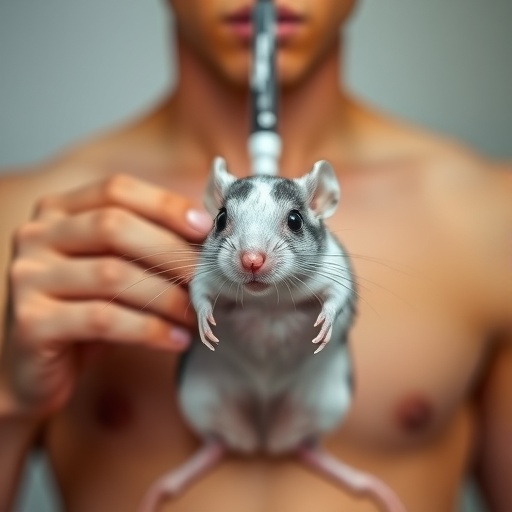
A new study in Pediatric Research is drawing attention to an overlooked possibility in the debate over vaping: the health effects of electronic-cigarette aerosols may persist long after the visible vapor has disappeared, and newborn males and females may not respond to those residues in the same way. Researchers report that exposure to thirdhand electronic-cigarette aerosols altered lung function and changed patterns of gene activity in neonatal mice, with differences between the sexes emerging at the molecular and physiological levels.
Thirdhand exposure refers to chemical material left behind after an aerosol or smoke has been released into the environment. Unlike firsthand exposure, which occurs when someone directly inhales a product, or secondhand exposure, which involves breathing airborne emissions, thirdhand exposure can occur when residues settle on clothing, furniture, bedding, walls or other surfaces. These compounds may later be released back into the air, transferred through skin contact or ingested when contaminated particles reach the mouth.
Electronic-cigarette aerosols are complex chemical mixtures rather than harmless water vapor. Depending on the device, liquid formulation and heating conditions, they can contain nicotine, flavoring chemicals, carbonyl compounds, metals and ultrafine particles. Once deposited indoors, these substances may react with oxygen, ozone, moisture and other chemicals, producing a changing mixture that can remain in the environment. Infants may be particularly vulnerable because they spend substantial time close to floors and fabrics, have developing immune and respiratory systems, and breathe more air relative to their body size than adults.
The study by A. Zaman, T. Cook, D. B. Mabou and colleagues examined how neonatal mice responded to these aged electronic-cigarette aerosol residues. Its focus was not simply whether exposure caused an immediate respiratory reaction, but how early-life contact influenced the developing lung and the biological programs that control its function. The researchers assessed lung performance alongside the transcriptome—the complete collection of RNA molecules produced by cells at a particular time.
Transcriptomic analysis provides a high-resolution view of how exposure affects cells. When a gene is activated, its DNA sequence is copied into messenger RNA, which helps direct the production of proteins. By measuring changes in thousands of RNA transcripts, scientists can identify pathways involved in inflammation, oxidative stress, tissue repair, immune signaling, metabolism and lung development. These molecular changes can reveal biological disruption even when visible tissue damage is limited or traditional measurements show only subtle effects.
The researchers’ findings indicate that thirdhand electronic-cigarette aerosol exposure modified lung function in neonatal mice and produced sex-specific changes in gene expression. In other words, male and female animals did not show identical responses to the same environmental challenge. Such differences can arise from the influence of sex hormones, chromosomes, developmental timing, immune regulation or differences in how chemicals are absorbed and metabolized. During the neonatal period, when airways and the gas-exchange surfaces of the lung are still maturing, even modest molecular disturbances could potentially influence later respiratory health.
The sex-specific signal is particularly important because biomedical research has often treated male and female biology as interchangeable. Yet respiratory diseases, immune disorders and responses to environmental pollutants can differ between sexes. A chemical exposure may activate inflammatory genes more strongly in one sex, alter antioxidant defenses differently in another or affect the development of airway structures through distinct signaling pathways. The new results add electronic-cigarette residues to a growing list of environmental factors that may interact with biological sex during early development.
The study does not establish that thirdhand vaping residues cause the same effects in human babies, nor does it determine how long any changes persist after exposure ends. Mouse lungs develop on a different timetable from human lungs, and controlled laboratory exposure cannot reproduce every feature of a household environment. The concentration, age and chemical composition of the residues also matter, as do ventilation, surface type, cleaning practices and the presence of nicotine or flavoring compounds. Nevertheless, animal studies are essential for identifying mechanisms that would be difficult or unethical to test directly in infants.
The findings also challenge the idea that vaping-related exposure ends when a device is switched off. While electronic cigarettes generally produce fewer combustion products than conventional cigarettes, reduced emissions do not mean zero risk, especially in enclosed spaces containing newborns. Residues may accumulate through repeated use and persist on surfaces that infants touch or mouth. The researchers’ work suggests that public-health guidance should consider not only direct and secondhand aerosol exposure, but also the less visible chemical legacy left in indoor environments.
For families, the practical message is straightforward: keeping electronic cigarettes, refill liquids and aerosol-generating devices away from infants is important, but preventing use around children may not eliminate every route of exposure if residues have already accumulated. Cleaning contaminated surfaces, washing hands and changing outer clothing after vaping may reduce contact, although the effectiveness of these measures depends on the chemicals involved. The strongest protection remains maintaining smoke- and aerosol-free homes and vehicles.
The study’s most significant contribution may be its combination of lung-function testing with transcriptomic analysis. By linking physiological measurements to altered gene activity, it provides a fuller picture of how early-life exposure could influence developing respiratory systems. Further research will need to identify which chemicals drive the observed effects, whether the changes are reversible, how they evolve with age and whether similar sex-specific patterns occur in human children. Until those questions are answered, the invisible residues of vaping deserve far more scientific and public attention than they have received.
Cite Scienmag News
Juliet Wilcox. (August 1, 2026). Thirdhand E-Cigarette Exposure Sex-Specifically Alters Lung Function and Gene Activity in Mice. Scienmag. https://scienmag.com/thirdhand-e-cigarette-exposure-sex-specifically-alters-lung-function-and-gene-activity-in-mice/
Juliet Wilcox. "Thirdhand E-Cigarette Exposure Sex-Specifically Alters Lung Function and Gene Activity in Mice." Scienmag, 1 August 2026, https://scienmag.com/thirdhand-e-cigarette-exposure-sex-specifically-alters-lung-function-and-gene-activity-in-mice/. Accessed 4 September 2026.
Juliet Wilcox. "Thirdhand E-Cigarette Exposure Sex-Specifically Alters Lung Function and Gene Activity in Mice." Scienmag. August 1, 2026. https://scienmag.com/thirdhand-e-cigarette-exposure-sex-specifically-alters-lung-function-and-gene-activity-in-mice/


