


A groundbreaking study conducted by researchers at the University of New South Wales (UNSW Sydney) has unveiled a deeply troubling reality within the Australian education system: nine out of ten teachers are currently experiencing severe stress, with nearly seventy percent indicating their workload is unmanageable. This seminal research, the first comprehensive examination of depression, anxiety, and stress rates among Australian educators, reveals mental health challenges at rates three times higher than the national averages.
The extensive study, published recently in the journal Social Psychology of Education, surveyed nearly 5,000 primary and secondary school teachers across Australia. Utilizing the Depression Anxiety Stress Scales (DASS), a validated clinical tool for psychological assessment, the investigation uncovered alarmingly elevated scores for depression, anxiety, and stress among teachers, with stress levels approaching four times the national norm. These findings position teacher mental health as an urgent systemic issue, transcending individual wellbeing and highlighting critical workforce vulnerabilities.
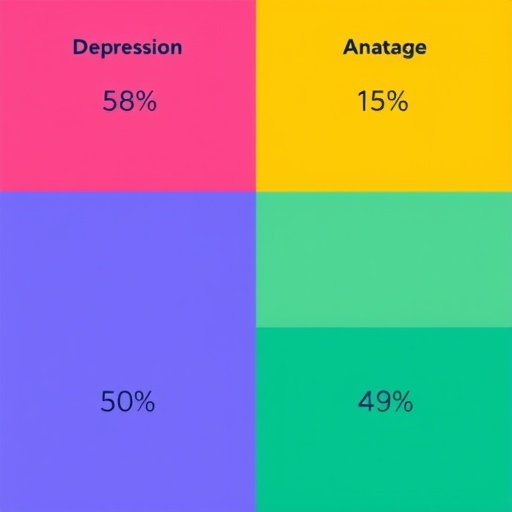
Among those surveyed, an overwhelming 90% of teachers reported experiencing moderate to extremely severe stress symptoms. More than two-thirds also exhibited moderate to extremely severe depression and anxiety symptoms—figures that double the incidence rates found in the general population. Such data starkly illustrate the immense psychological burden educators endure, aligning prominently with growing concerns over teacher attrition rates nationwide. This represents not only a public health concern but also an immediate threat to educational continuity and quality.
According to lead author Dr. Helena Granziera of UNSW’s School of Education, these mental health challenges are tightly correlated with teachers’ perceptions of their work environment. Notably, the study identifies excessive workload, heavily compounded by non-instructional tasks, as a primary driver of deteriorating mental health. Teachers consistently reported feeling overwhelmed, not by teaching duties themselves, but by an expanding array of administrative and compliance responsibilities that encroach upon time typically dedicated to lesson planning and student interaction.
This chronic overextension contributes directly to burnout, characterized by emotional exhaustion and diminished professional satisfaction. Administrative overload and data management tasks, while often operationally necessary, have created disproportionate strains on educators without commensurate structural support. The findings suggest these systemic inefficiencies exacerbate mental health symptoms and instigate higher turnover intentions, with nearly 69% of teachers explicitly labeling their workload as largely or completely unmanageable.
Such stress-related attrition poses significant risks to Australia’s educational infrastructure, especially amidst an already critical teacher shortage. Recent data from the Australian Institute for Teaching and School Leadership (AITSL) indicates that as many as 30% of teachers contemplate leaving the profession prematurely. The UNSW study adds new urgency by confirming poor mental health—especially clinical depression—as a potent predictor of these turnover intentions, signaling a feedback loop between workload-induced stress and workforce instability.
Disparities uncovered in the research also deserve attention. Teachers based in rural and remote regions displayed heightened depressive symptoms, a concerning indicator given these areas’ already limited access to mental health resources and educator support. Gender differences emerged as well, with female teachers more frequently reporting depressive symptoms and intentions to exit teaching, echoing broader occupational mental health trends where women often bear the brunt of workplace stressors.
The link between teacher wellbeing and educational outcomes is both direct and profound. Poor mental health among teachers correlates with decreased classroom quality, impaired student engagement, and lower academic achievement. Dr. Granziera emphasizes that the ramifications extend beyond the teachers themselves, suggesting that teacher mental health is intricately linked to student mental health and overall educational success. This intersection underscores the systemic nature of the crisis, affecting entire school communities and long-term societal productivity.
Addressing this multifaceted dilemma demands comprehensive and targeted interventions. The UNSW research team advocates for policy reforms aimed at reducing non-essential administrative workload and simplifying compliance processes. School-level initiatives to routinely monitor teacher wellbeing and workload metrics are also essential, providing early detection of burnout risks and facilitating timely support.
In addition to structural and procedural reforms, the study calls for innovative investments in digital mental health resources specifically tailored for educators. These solutions would offer flexible, confidential, and self-paced support, addressing access barriers particularly salient in remote or underserviced regions. Coupled with system-wide retention programs, such interventions hold promise for mitigating burnout and preserving the teaching workforce’s health and vitality.
The study spans a significant timeframe from October 2022 through May 2024, employing robust recruitment methods including partnerships with the Black Dog Institute and targeted social media outreach on teacher-specific platforms. The scope and methodological rigor position this research as one of the largest and most comprehensive of its kind in Australia, bringing critical visibility to teacher mental health issues at a national level.
Ultimately, these findings deliver a stark and unequivocal message: the thriving of Australia’s education system hinges on safeguarding the mental wellbeing of its teachers. Policymakers must prioritize creating sustainable working environments, not only as a matter of occupational health but as a foundational investment in educational equity and excellence. The health of teachers is the health of education, and ensuring their support is a societal imperative.
News Publication Date: 29-Jul-2025
Web References:
- https://link.springer.com/article/10.1007/s11218-025-10113-w
- https://www.aitsl.edu.au/research/australian-teacher-workforce-data/atwd-reports/national-trends-teacher-workforce
- https://www2.psy.unsw.edu.au/Groups/Dass/
References:
Granziera, H., et al. (2025). Teachers’ workload, turnover intentions, and mental health: perspectives of Australian teachers. Social Psychology of Education. DOI: 10.1007/s11218-025-10113-w
Cite Scienmag News
Glenn Wilkins. (August 26, 2025). Teachers Experience Depression, Anxiety, and Stress Levels Triple the National Average: New Study Reveals. Scienmag. https://scienmag.com/teachers-experience-depression-anxiety-and-stress-levels-triple-the-national-average-new-study-reveals/
Glenn Wilkins. "Teachers Experience Depression, Anxiety, and Stress Levels Triple the National Average: New Study Reveals." Scienmag, 26 August 2025, https://scienmag.com/teachers-experience-depression-anxiety-and-stress-levels-triple-the-national-average-new-study-reveals/. Accessed 4 September 2026.
Glenn Wilkins. "Teachers Experience Depression, Anxiety, and Stress Levels Triple the National Average: New Study Reveals." Scienmag. August 26, 2025. https://scienmag.com/teachers-experience-depression-anxiety-and-stress-levels-triple-the-national-average-new-study-reveals/


