

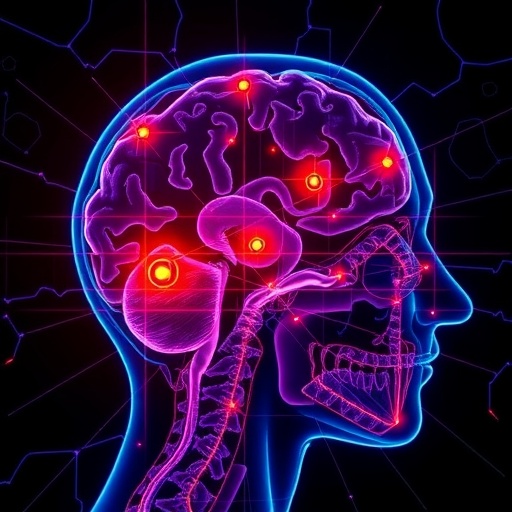
In a compelling new study poised to redefine our understanding of neuropsychiatric treatments, researchers have uncovered a significant link between tau protein accumulation and the efficacy of electroconvulsive therapy (ECT). This groundbreaking research, published in Translational Psychiatry in 2026, delves into the molecular mechanisms underpinning the brain’s response to ECT and raises intriguing possibilities for personalized approaches in treating severe mental illnesses.
Tau proteins, primarily known for their role in stabilizing microtubules within neurons, have long been studied for their involvement in neurodegenerative diseases such as Alzheimer’s. However, this latest investigation spearheaded by Ohya, Arakawa, Sakayori, and colleagues suggests that tau accumulation plays a surprisingly pivotal part in modulating seizure susceptibility during ECT. These findings may open new avenues for enhancing the therapeutic impact of ECT, which remains one of the most effective interventions for treatment-resistant depression, bipolar disorder, and certain cases of schizophrenia.
The research addresses a paradox that has puzzled clinicians for decades: why do some patients respond remarkably well to ECT while others show minimal improvement? By analyzing post-mortem brain samples and employing animal models, the study reveals that elevated levels of tau in specific brain regions correlate strongly with an increased likelihood of inducing effective therapeutic seizures. This enhanced susceptibility appears to be mediated by tau’s influence on neuronal network excitability and synaptic plasticity.
Interestingly, the accumulation of tau seems to alter the electrical properties of neurons, making them more amenable to the controlled seizures elicited during ECT sessions. The study elaborates that such alterations could potentially prime neural circuits to adapt more robustly following the induced seizure activity, thereby facilitating neuroplastic changes that underpin clinical improvements in mood and cognition. These insights deepen the conceptual framework of how ECT interfaces with the brain’s biochemistry to produce its antidepressant and mood-stabilizing effects.
Moreover, the investigators have pinpointed that tau accumulation is not uniformly distributed across the brain but is particularly pronounced in limbic regions implicated in emotional regulation, such as the hippocampus and prefrontal cortex. This localization resonates with clinical observations where modulation of these areas is critical for mood improvement. The study also discusses potential molecular pathways through which tau interacts with other proteins and cellular structures that govern synaptic transmission and neuronal resilience.
From a methodological perspective, the study employs a multi-disciplinary approach blending high-resolution imaging, electrophysiological recordings, and biochemical assays. This integrated methodology allowed the researchers to characterize the nuanced relationship between tau loads and seizure thresholds during ECT, creating a detailed map of molecular and electrical changes. Such comprehensive analysis is a testament to the sophistication of modern neuroscience and the collaborative efforts needed to unravel complex brain phenomena.
The implications of these findings are vast and could revolutionize how patients are screened and prepared for ECT. If tau levels can be measured non-invasively, clinicians might one day tailor ECT protocols to individual neurochemical profiles, optimizing both efficacy and safety. This personalized approach could minimize side effects, reduce the number of treatment sessions required, and significantly improve quality of life for those suffering from debilitating psychiatric disorders.
Furthermore, this research invites a reevaluation of the role of tau beyond its neurodegenerative stereotypical associations, suggesting it might serve as a biomarker or even a therapeutic target in psychiatric illness. It challenges the traditional dichotomy between neurodegeneration and neuropsychiatric conditions, hinting at a shared molecular basis that could unlock novel interventions across diagnostic boundaries.
The dialogue between tau pathology and induced seizure activity also prompts new questions regarding long-term outcomes and cognitive effects post-ECT. While ECT is highly efficacious, concerns about cognitive side effects persist. Understanding how tau modulation interacts with neuroplastic processes might be key to designing adjunctive treatments that protect or even enhance cognitive function after therapy.
Moreover, the study’s findings may stimulate future research into pharmacological agents that modulate tau levels before or alongside ECT, providing a synergistic boost to therapeutic efficacy. Such combination therapies could reduce the intensity of seizures needed, mitigate adverse effects, and pave the way for less invasive but equally potent treatments.
This investigation also resonates with ongoing debates on the biological underpinnings of mental illness, offering a molecular lens through which to examine the neural circuitry involved. It reinforces the concept that mental health disorders are deeply rooted in tangible neurochemical changes rather than abstract psychological constructs alone. This paradigm shift offers hope for more precise and objective diagnostics in psychiatry.
Critically, the study acknowledges that tau accumulation may not be universally beneficial in the context of ECT. Excessive tau aggregation is well-documented to have deleterious effects on neuronal health. Thus, titrating this accumulation to an optimal therapeutic window might be a central challenge moving forward. Future studies will need to delineate the fine line between pathological and functionally advantageous tau presence.
In a broader context, these insights contribute to a growing appreciation of how proteinopathies intersect with brain function beyond classical neurodegeneration. The nuanced role of tau presents a compelling example of how molecular biology can inform clinical psychiatry, bridging gaps that have long hindered progress. This cross-disciplinary nexus between neurology and psychiatry holds promise for an era of hybrid treatments rooted in molecular precision.
The study authors emphasize that this is an early but crucial step toward a more holistic understanding of ECT mechanisms. While many questions remain, the evidence strongly supports tau’s role as a modulator of brain excitability and responsiveness to therapeutic seizures. These revelations could catalyze the development of predictive biomarkers and novel interventions that refine ECT and improve patient outcomes globally.
As the field advances, this research underscores the imperative for collaborative efforts across neuroscience, psychiatry, and pharmacology to translate these molecular insights into clinical reality. It invites stakeholders, from clinicians to policy makers, to reconsider existing treatment frameworks and invest in technologies that harness molecular information for patient benefit.
In conclusion, the discovery that tau accumulation increases susceptibility to effective seizures during ECT heralds a transformative shift in neuropsychiatric treatment paradigms. This knowledge aligns with the zeitgeist of personalized medicine, promising smarter, safer, and more effective interventions for some of the most challenging mental health conditions. Ongoing research will no doubt expand upon these findings, ushering in a new chapter where molecular science profoundly shapes psychiatric care’s future.
Subject of Research: Tau protein accumulation and its effect on seizure susceptibility in electroconvulsive therapy
Article Title: Tau accumulation increases the susceptibility to effective seizures of electroconvulsive therapy
Article References:
Ohya, T., Arakawa, R., Sakayori, T. et al. Tau accumulation increases the susceptibility to effective seizures of electroconvulsive therapy. Transl Psychiatry (2026). https://doi.org/10.1038/s41398-026-04016-3
Image Credits: AI Generated


