


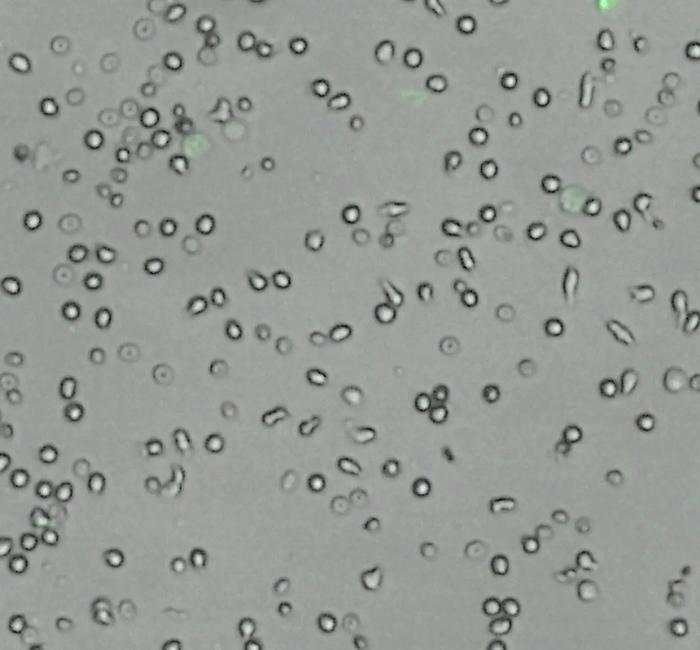
In the intricate realm of human immunity, neutrophils stand as frontline warriors, deploying an arsenal of mechanisms to counter invading pathogens. Among their most remarkable defenses is the formation of neutrophil extracellular traps, or NETs—complex networks composed primarily of decondensed chromatin and antimicrobial proteins. These DNA-based webs extend into the extracellular space, physically ensnaring bacteria, fungi, and other harmful microorganisms. This sophisticated trapping mechanism not only impedes the dissemination of infections but also concentrates antimicrobial molecules on the pathogens’ surfaces, enhancing their neutralization.
Despite their crucial defensive role, NETs possess a double-edged nature, particularly within the renal milieu. Emerging evidence increasingly highlights how the dysregulated formation or impaired clearance of NETs can ignite deleterious inflammatory processes within the kidneys. The delicate architecture of the renal glomeruli and vasculature is especially susceptible to damage wrought by uncontrolled NET activity. The entrapment capabilities that serve to prevent microbial spread paradoxically induce vascular occlusion, endothelial injury, and precipitate a cascade of immune reactions detrimental to kidney function.
A comprehensive review recently published in Nature Reviews Nephrology by Professor Akihiro Ishizu and colleagues from Hokkaido University delves deeply into the multifaceted involvement of neutrophils and their extracellular traps in kidney pathology. By synthesizing a broad spectrum of studies, the review delineates how aberrant NET dynamics contribute to a variety of kidney diseases. These conditions, including ANCA-associated vasculitis, systemic lupus erythematosus-induced nephritis, thrombotic microangiopathy, diabetic nephropathy, and crystal-induced kidney injuries, share a common thread of NET-driven inflammation and tissue destabilization.
Neutrophil activation, a prerequisite for NET release, involves complex signaling pathways. Among these, the complement component C5a emerges as a pivotal chemoattractant and activator, instigating neutrophil recruitment and priming within inflamed renal tissues. Pharmacologic antagonists targeting the C5a receptor, such as avacopan, have demonstrated promising clinical efficacy by dampening pathogenic neutrophil activation. This therapeutic strategy exemplifies a paradigm shift, moving away from broad immunosuppression toward precision modulation of neutrophil-induced damage.
The enzymatic orchestration of NETosis—the process culminating in NET generation—relies heavily on enzymes such as neutrophil elastase and peptidylarginine deiminase 4 (PAD4). These enzymes facilitate chromatin decondensation and nuclear membrane disruption, essential steps for the extrusion of DNA webs. Efforts to inhibit these enzymes pharmacologically have gained momentum, aiming to prevent NET formation and thus halt the downstream inflammatory amplification that compromises renal structures.
Clearance mechanisms for NETs are equally vital in maintaining renal homeostasis. Enzymes including DNase I and DNase1L3 biologically dismantle extracellular DNA scaffolds, facilitating the resolution of inflammatory sites. However, in chronic kidney diseases, NETs often exhibit biochemical modifications that confer resistance to enzymatic degradation, perpetuating immune activation and fibrosis. Understanding the molecular attributes conferring this resilience to NETs represents a forefront area of nephrology research.
The pathogenic role of NETs extends beyond mere physical obstruction; they serve as potent stimulators of immune cell recruitment and activation. By exposing nuclear and granular proteins abnormally to the immune system, NETs can instigate autoimmunity, exacerbating autoimmune nephritides such as lupus nephritis and ANCA-associated vasculitis. The resultant cycles of injury and repair overwhelm intrinsic renal regenerative capacities, progressing toward chronic kidney disease and potential failure.
Therapeutic targeting of NET-related pathways offers a tantalizing prospect for revolutionizing kidney disease management. Traditional immunosuppressive regimens, while effective in curbing generalized inflammation, leave patients vulnerable to infections and malignancies. In contrast, interventions honed to neutrophil-specific signaling and effector functions promise to attenuate destructive inflammation with greater safety profiles. Such precision medicine approaches may curtail disease progression while preserving host defense integrity.
The review also underscores the necessity for translational research bridging benchside discoveries to bedside applications. Several clinical trials evaluating NET-inhibitory agents and C5a receptor antagonists are underway or forthcoming, poised to refine treatment paradigms for inflammatory kidney diseases. These advances herald a future where modulation of innate immune effector mechanisms directly ameliorates organ-specific pathology.
Looking ahead, integrative analyses combining proteomics, genomics, and advanced imaging of NET dynamics will illuminate individual variability in kidney disease susceptibility and progression. Personalized therapies, designed to intercept neutrophil-mediated injury based on patient-specific biomarkers, might emerge as the new standard of care. Such approaches could mitigate renal inflammation with unprecedented specificity, reducing chronic kidney disease burden globally.
In summation, the evolving understanding of neutrophils and their extracellular traps in renal pathology reshapes longstanding conceptions of kidney disease etiology. Far from passive bystanders, these immune effector mechanisms actively orchestrate tissue damage and healing imbalances. Harnessing this knowledge ushers in innovative therapeutic avenues emphasizing immune precision, potentially transforming prognosis for millions impacted by kidney diseases worldwide.
Cite Scienmag News
Jerry Hayes. (June 2, 2025). Targeting Neutrophils: A New Strategy to Combat Kidney Disease. Scienmag. https://scienmag.com/targeting-neutrophils-a-new-strategy-to-combat-kidney-disease/
Jerry Hayes. "Targeting Neutrophils: A New Strategy to Combat Kidney Disease." Scienmag, 2 June 2025, https://scienmag.com/targeting-neutrophils-a-new-strategy-to-combat-kidney-disease/. Accessed 6 September 2026.
Jerry Hayes. "Targeting Neutrophils: A New Strategy to Combat Kidney Disease." Scienmag. June 2, 2025. https://scienmag.com/targeting-neutrophils-a-new-strategy-to-combat-kidney-disease/


