


Cross-border climate risks threaten Malawi’s drinking water, study finds
An integrated study finds that Malawi's drinking water infrastructure faces accelerating cascading climate risks driven by a critical lake level ...
An integrated study finds that Malawi's drinking water infrastructure faces accelerating cascading climate risks driven by a critical lake level ...
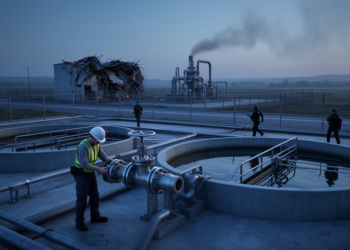
A BMJ commentary argues that conflict-related attacks and failures of water infrastructure threaten public health and should be treated as ...

A new spatiotemporal analysis of nearly a decade of boil water notices reveals that recurring water service disruptions in Jackson, ...
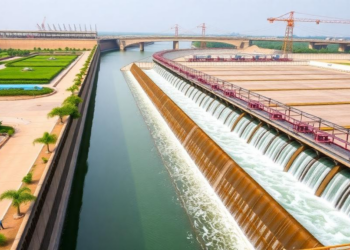
A national analysis of 10,826 Chinese treatment plants finds that centralized wastewater reuse is economically viable for only about 0.45 ...

A hybrid systematic review and experimental benchmark of five deep learning architectures reveals which neural networks can realistically detect and ...

A survey of 1,082 rural Malian households finds that year-round multiple-use water services are associated with significantly lower household water ...

A Stanford optimization study shows that coordinating wastewater nutrient upgrades across San Francisco Bay facilities could cut removal costs by ...

A new Nature Water Comment introduces the infrastructure–society ageing gap framework, arguing that renewing the world's water systems requires planning ...

A Nature Water commentary argues that the overlooked urban water workforce is a decisive determinant of city water security.

A new systematic review shows that machine learning, particularly tree-based ensembles and Random Survival Forests, can reliably predict water pipeline ...


Embark on a thrilling journey of discovery with Scienmag.com—your ultimate source for cutting-edge breakthroughs. Immerse yourself in a world where curiosity knows no limits and tomorrow’s possibilities become today’s reality!