


Virtual Reality Meets AI: Immersive Therapy Shows Promise for Children With Autism
A systematic review of 141 studies finds that virtual and augmented reality interventions, increasingly powered by AI emotion recognition, improve ...
A systematic review of 141 studies finds that virtual and augmented reality interventions, increasingly powered by AI emotion recognition, improve ...
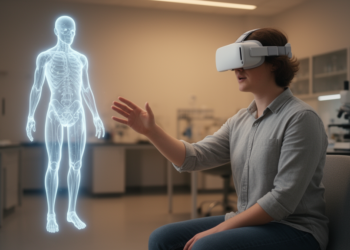
A new VR study found that supportive virtual characters significantly increased users' sense of presence and social presence, yet neither ...
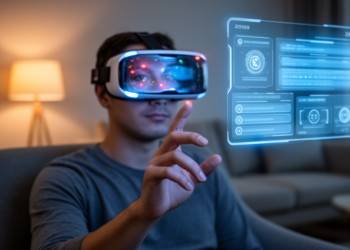
Researchers at the University of Tübingen and Carl Zeiss Vision have built a real-time AI system that detects anomalous gaze ...

A new perspective article argues that wearables, AI, motion capture, and immersive technologies are transforming how sports injuries are predicted, ...
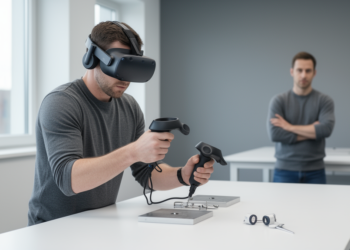
A virtual reality study of spacecraft piloting found that a single adaptive just-in-time training session preserved skills better than weekly ...
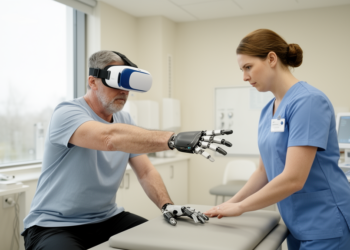
A multidisciplinary team argues virtual reality could improve motor rehabilitation and psychological wellbeing for people with limb loss and limb ...
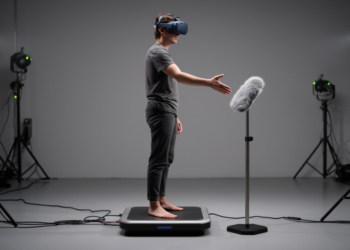
A virtual reality study shows that avoiding a threatening spider suppresses the sense of touch on the moving hand more ...
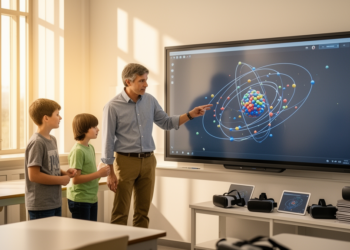
A systematic review of 70 studies finds that augmented reality, virtual reality and virtual laboratories help physics students visualize abstract ...
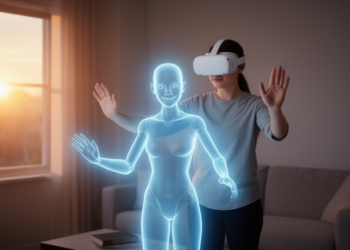
A new study finds that hiding ethnic identity behind identical avatars in virtual reality does not erase social categorization but ...

A new Frontiers editorial argues that the cognitive, sleep, and emotional benefits of aerobic exercise arise from distinct, context-dependent brain ...


Embark on a thrilling journey of discovery with Scienmag.com—your ultimate source for cutting-edge breakthroughs. Immerse yourself in a world where curiosity knows no limits and tomorrow’s possibilities become today’s reality!