


Machine Learning Models Stratify Neurosyphilis Risk Using Routine Brain MRI Reports
Machine learning models utilizing routine brain MRI free-text reports achieved strong accuracy in stratifying neurosyphilis risk among patients with syphilis.
Machine learning models utilizing routine brain MRI free-text reports achieved strong accuracy in stratifying neurosyphilis risk among patients with syphilis.

An antibiotic-free biomimetic phototheranostic nanoparticle platform achieved syphilis lesion regression approaching standard penicillin therapy in a rabbit primary infection model.

A comprehensive analysis of Global Burden of Disease data reveals that while non-HIV sexually transmitted infections expanded in China from ...

A nationwide cross-sectional serosurvey of young adults in Mongolia found confirmed syphilis diagnoses in 0.60 percent of analyzed participants, with ...

A retrospective cohort study in Zambia found substantial baseline prevalence and ongoing new cases of syphilis among individuals receiving long-acting ...

A retrospective study of 3,348 blood donors in Ghana found an infection prevalence of 14.78 percent, with risks driven primarily ...

A cross-sectional study conducted in Shandong Province, China, has identified the prevalence of human immunodeficiency virus (HIV) and syphilis among ...

A cross-sectional study in Addis Ababa found a 3.63 percent prevalence of transfusion-transmissible infection markers among voluntary blood donors.
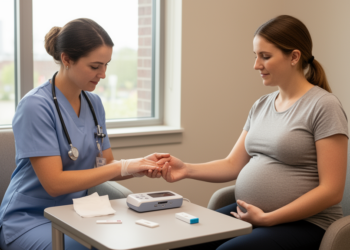
A Canadian protocol describes a single-arm feasibility trial of rapid syphilis point-of-care testing for pregnant people at a low-barrier prenatal ...

A new review outlines how syphilis and HIV interact, from higher reinfection risk to diagnostic and treatment challenges in people ...


Embark on a thrilling journey of discovery with Scienmag.com—your ultimate source for cutting-edge breakthroughs. Immerse yourself in a world where curiosity knows no limits and tomorrow’s possibilities become today’s reality!