

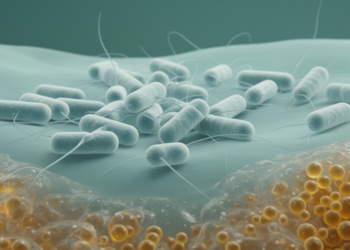
Lactic Acid Bacteria Reprogram and Displace Mastitis-Associated Staphylococcus aureus Biofilms
An in vitro study shows that three lactic acid bacterial strains from human milk and infant feeding tubes can colonize ...
An in vitro study shows that three lactic acid bacterial strains from human milk and infant feeding tubes can colonize ...
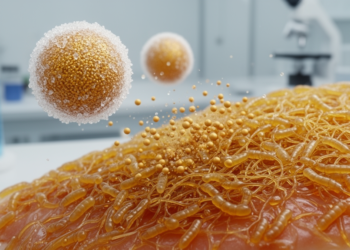
A hyperbranched poly-D-mannose-stabilized selenium nanocomposite remained stable for 34 days and inhibited Staphylococcus aureus biofilms completely at 8.1 micrograms per ...
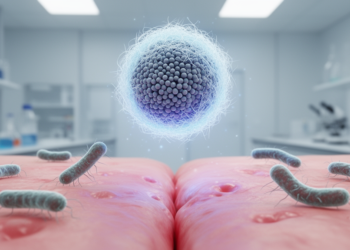
An in vitro study reports that chitosan-coated titanium oxide/coumarin nanoparticles inhibit E. coli and S. aureus, eliminate about 90 percent ...
A meta-analysis of 75 South Asian clinical studies estimated that MRSA represented 44.3% of Staphylococcus aureus isolates, with very high ...
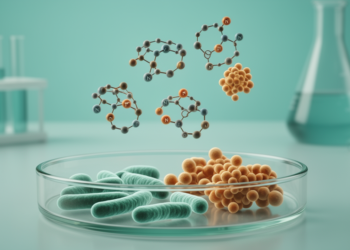
Chemists synthesized five new imidazolidin-4-one derivatives and found that compound F9 produced the largest inhibition zone against Staphylococcus aureus while ...
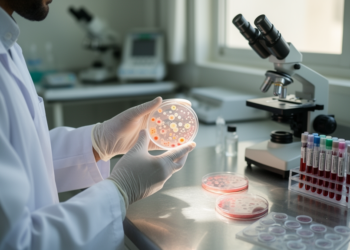
A four-month retrospective review of 1,495 blood cultures at Jenin Governmental Hospital found 152 positive cultures, with 59.9 percent of ...
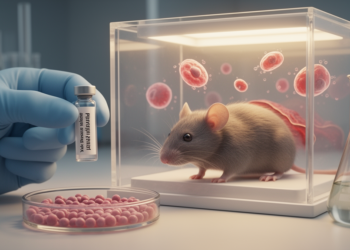
A mammary-specific plasmid expressing yak DEFB127 reduced inflammation and tissue injury in S. aureus-infected cells and mice and caused less ...
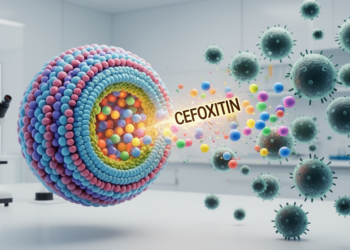
Encapsulating the antibiotic cefoxitin in niosomal nanovesicles halved inhibitory concentrations against Gram-positive bacteria and enabled activity against Gram-negative strains and ...
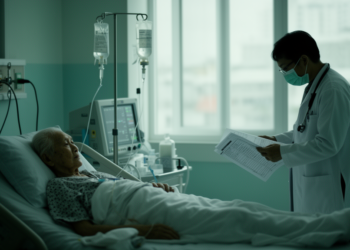
A comprehensive modelling study estimates that antimicrobial resistance was associated with 1.15 million deaths in the WHO Western Pacific Region ...
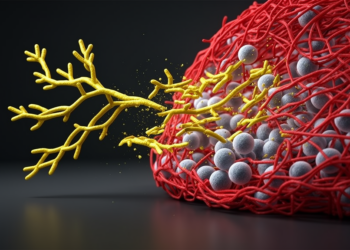
An engineered fusion of staphylokinase and an endolysin dismantles the fibrin-encapsulated communities of Staphylococcus aureus and outperforms vancomycin in a ...


Embark on a thrilling journey of discovery with Scienmag.com—your ultimate source for cutting-edge breakthroughs. Immerse yourself in a world where curiosity knows no limits and tomorrow’s possibilities become today’s reality!