

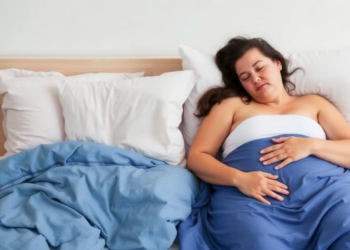
How Poor Sleep and Obesity Feed Each Other—and What New Drugs Change
A major review details the bidirectional links between sleep disorders and obesity and how new weight-loss drugs are reshaping treatment.
A major review details the bidirectional links between sleep disorders and obesity and how new weight-loss drugs are reshaping treatment.

The PLAYCE cohort study in Western Australia is tracking nearly 2,000 children from preschool to adolescence with accelerometers, GPS and ...

A cross-sectional study of 422 dialysis patients in Sri Lanka finds that nightmare frequency and dream-related sleep disturbance are independently ...

A landmark overview of 51 systematic reviews synthesizes the evidence on problematic video game use and gaming disorder in adolescents ...

A national Canadian study found that during COVID-19 lockdowns, parents who met 24-hour movement guidelines for activity, screen time, and ...

A two-year Australian study using compositional data analysis found that only moderate-to-vigorous physical activity, especially vigorous exercise, predicted real changes ...

A Dutch longitudinal study found that the composition of infants' and toddlers' daily physical activity, sedentary time, and sleep is ...

A five-year national analysis found that fewer than one in ten U.S. children and adolescents meets all three 24-hour movement ...

A Belgian accelerometer study finds that retirement improves sleep and reduces sitting on average, but only higher-income retirees shift toward ...
A two-wave longitudinal study of Turkish university students finds that suicide cognitions predict later depression sensitivity indirectly through heightened pre-sleep ...


Embark on a thrilling journey of discovery with Scienmag.com—your ultimate source for cutting-edge breakthroughs. Immerse yourself in a world where curiosity knows no limits and tomorrow’s possibilities become today’s reality!