


Ketamine Does Not Alter Brain Reward Processing Five Hours After Infusion
A single-blind crossover trial in healthy volunteers shows racemic ketamine does not alter neural reward processing five hours post-infusion.
A single-blind crossover trial in healthy volunteers shows racemic ketamine does not alter neural reward processing five hours post-infusion.

A structured narrative review finds peripheral inflammation is a context-dependent contributor linking childhood trauma to selected reward and threat circuits, ...
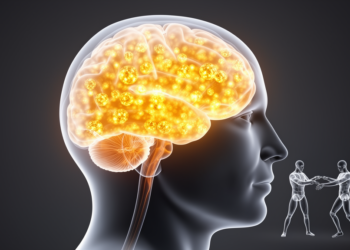
An EEG study of forty adults found that highly prosocial individuals showed stronger neural gain–loss differentiation during face-to-face cooperation than ...
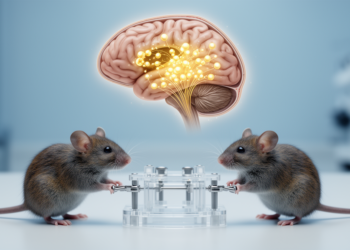
In male mice, accumbal dopamine dynamics tracked successful coordination independently of immediate water reward, while local D1-receptor blockade selectively impaired ...
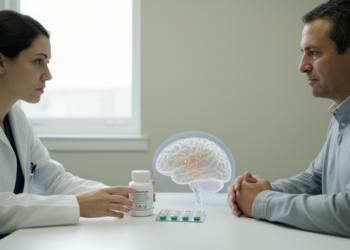
An international expert report finds modest anhedonia benefits from dopamine-targeting drugs and calls for research into multiple biological systems.
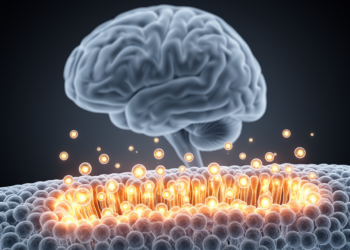
A phase II randomized controlled trial found that the Kv7 channel opener azetukalner did not significantly alter reward-related brain activity ...
A 15-year longitudinal study from the University of Notre Dame links positive parenting at age three to stronger neural reward ...
A Yale study of 279 participants shows that existing food preferences distort associative learning, with initial reinforcement of priors making ...
A longitudinal brain imaging study of women with bulimia nervosa finds that symptom improvement after cognitive behavioral therapy is linked ...


Embark on a thrilling journey of discovery with Scienmag.com—your ultimate source for cutting-edge breakthroughs. Immerse yourself in a world where curiosity knows no limits and tomorrow’s possibilities become today’s reality!