

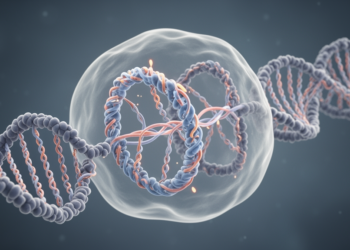
Cohesin reorganizes stressed DNA replication sites to protect genome stability
An experimental cell study finds that cohesin rapidly reorganizes stressed DNA replication sites and suppresses an error-prone restart pathway, helping ...
An experimental cell study finds that cohesin rapidly reorganizes stressed DNA replication sites and suppresses an error-prone restart pathway, helping ...
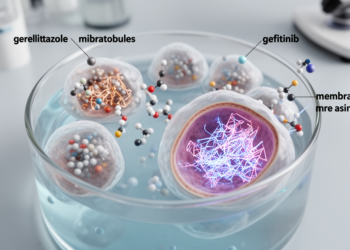
Mebendazole combined with gefitinib increased DNA damage and suppressed growth in preclinical models of gefitinib-resistant non-small cell lung cancer.
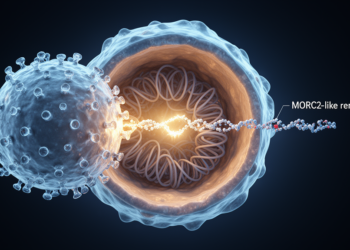
A new PLOS Pathogens study shows that human cytomegalovirus induces and recruits the host chromatin remodeler MORC2 to viral replication ...
A new iScience study shows that the error-prone polymerase Pol ι is induced in BRCA2-deficient mammary epithelial cells, where it ...
New research shows that damaged extrachromosomal DNA is trapped in transcriptionally silent micronuclei, impairing cancer cell fitness and predicting better ...
A Phase 1 trial found that combining the ATR inhibitor ceralasertib with the PARP inhibitor olaparib was generally well tolerated ...
New research in mice reveals that the DNA repair factor RAD54L protects primordial germ cells by stabilizing the E3 ligase ...
A comprehensive new review explains how replication stress drives cancer genome evolution and why the pathways cells use to survive ...
New cryo-EM structures of human ATR–ATRIP in multiple functional states reveal how ATP priming, TopBP1 binding and autophosphorylation activate the ...


Embark on a thrilling journey of discovery with Scienmag.com—your ultimate source for cutting-edge breakthroughs. Immerse yourself in a world where curiosity knows no limits and tomorrow’s possibilities become today’s reality!