

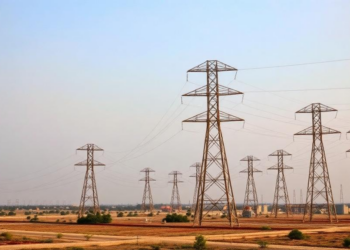
Pakistan’s electricity sector could cut CO2 emissions by 63% by 2035, models show
A new LMDI and LEAP modeling study projects that Pakistan's electricity sector could cut CO2 emissions by 63.40 percent between ...
A new LMDI and LEAP modeling study projects that Pakistan's electricity sector could cut CO2 emissions by 63.40 percent between ...

A new Nature Communications study shows that enhanced geothermal systems could supply 20 to 30 gigawatts of thermal capacity in ...
A new review finds that electromagnetic induction heating can dramatically accelerate biomass conversion while improving energy efficiency and product selectivity, ...
The significance of the 34 million megawatt-hours figure becomes clearer when placed in historical context. In the mid-1990s, before the ...
The distinction between reported emissions and avoided emissions rests on a fundamental asymmetry in how environmental accounting treats cause and ...
A new simulation study shows that a single hectare of forest clearing for wind turbines typically cuts through multiple hazel ...
Researchers have used machine learning to discover that lactate ligands unlock reversible zinc oxidation, enabling a safe, circuit-free carrier that ...
Greek researchers have developed an automated QGIS-based algorithm that ranks complete preliminary layouts for small run-of-river hydropower plants in minutes.
A conceptual framework published in Frontiers in Blockchain argues that blockchain technology could transform energy markets across emerging economies by ...
A Frontiers editorial collection argues that decarbonization succeeds only when climate policy is matched with institutional capacity, financial reform, ecological ...

Embark on a thrilling journey of discovery with Scienmag.com—your ultimate source for cutting-edge breakthroughs. Immerse yourself in a world where curiosity knows no limits and tomorrow’s possibilities become today’s reality!