


Kenya study links uncorrected refractive error to avoidable visual impairment
A cross-sectional study in Kenya found that uncorrected refractive error contributes significantly to avoidable visual impairment among community residents.
A cross-sectional study in Kenya found that uncorrected refractive error contributes significantly to avoidable visual impairment among community residents.

A cross-sectional study of 83 Chinese children found that greater myopia severity was associated with poorer tear film stability, with ...

A retrospective study in BMC Ophthalmology finds that 0.01% atropine eye drops are associated with slower axial elongation in pre-myopic ...

A randomized clinical trial demonstrates that specialized dual-surface spectacle lenses significantly curb axial eye elongation and refractive drift in non-myopic ...

A real-world retrospective study found that HAL spectacle lenses were more effective than DIMS lenses in slowing myopia progression in ...

A cross-sectional study in Peru's Amazonas region found that urban secondary school students had twice the prevalence of visual impairment ...
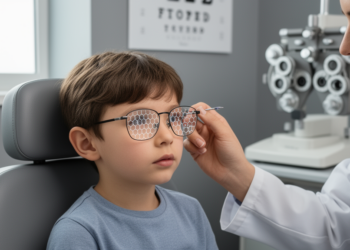
A large retrospective study found HAL spectacle lenses slowed axial elongation more than orthokeratology in younger and mildly myopic children, ...

An 18-month observational study of 45 Spanish children found defocus-incorporated multiple segments lenses were associated with 49% less myopia progression ...
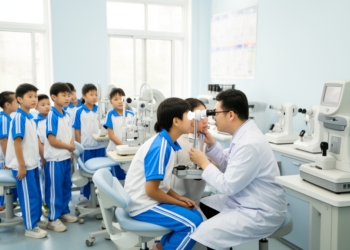
A cross-sectional study of more than 1.1 million Hubei students found 4.87% had high myopia, with higher prevalence among girls, ...
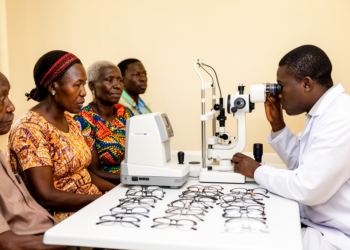
A 2024 national cross-sectional analysis found that 6.1% of adults aged 50 and older in Burundi had effective refractive error ...


Embark on a thrilling journey of discovery with Scienmag.com—your ultimate source for cutting-edge breakthroughs. Immerse yourself in a world where curiosity knows no limits and tomorrow’s possibilities become today’s reality!