


AI Virtual Imaging Improves Lung Cancer Grading
A new deep learning framework uses virtual imaging to improve the objective grading and prognostic stratification of lung adenocarcinoma from ...
A new deep learning framework uses virtual imaging to improve the objective grading and prognostic stratification of lung adenocarcinoma from ...

A new machine learning model integrating genomic, immune, and clinical data improves prognostic stratification in ER-positive/HER2-negative early breast cancer by ...

A multimodal machine learning nomogram combining clinical, radiomics, and pathomics features improved overall survival risk stratification in patients with IDH-wildtype ...

A real-world analysis of 218 patients with metachronous metastatic nasopharyngeal carcinoma proposed a prognostic classification combining metastatic-lesion count with disease-free ...

A retrospective analysis of 154 patients with unresectable hepatocellular carcinoma found that low baseline handgrip strength was associated with shorter ...

A French team has built a deep learning model that predicts glioblastoma survival categories with up to 87 percent accuracy ...
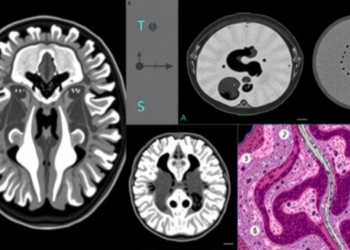
A multi-task deep learning model that fuses pretreatment MRI and whole slide pathology images outperformed standard staging in predicting chemotherapy ...
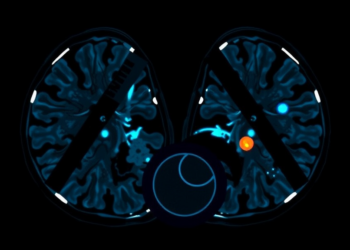
A comprehensive review of 53 studies shows deep learning systems can automatically segment lymphoma lesions on PET/CT, non-invasively classify disease, ...


Embark on a thrilling journey of discovery with Scienmag.com—your ultimate source for cutting-edge breakthroughs. Immerse yourself in a world where curiosity knows no limits and tomorrow’s possibilities become today’s reality!