


When Climate Alarm Backfires: The Hidden Risk in Scaring Students Into Action
Researchers argue that alarm-driven climate education may medicalise normal worry, misrepresent weak evidence, and erode the credibility climate science needs ...
Researchers argue that alarm-driven climate education may medicalise normal worry, misrepresent weak evidence, and erode the credibility climate science needs ...

A new study in PLOS Climate shows that simple deep learning models, especially the LSTM architecture, outperform the physics-based WRF ...

Researchers argue that debates over solar geoengineering should focus less on whether outcomes would be just and more on the ...

A new text-mining study of IPCC approval meetings shows that government engagement varies sharply by topic, refining the view that ...

A new PLOS Climate study of 78 Tanzanian corporate reports finds climate action disclosure averages just 18.9 percent of TCFD-recommended ...

A Scottish workshop study shows that storytelling and co-produced visions can identify the governance, knowledge-sharing, and engagement turning points communities ...
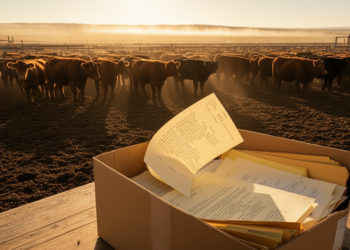
Archival research shows the National Cattlemen's Association knew by 1989 that cattle contributed to global warming but responded with public ...
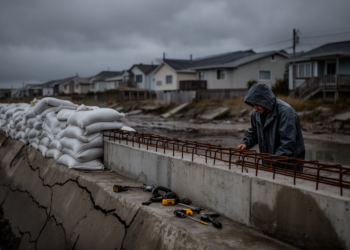
Researchers argue in PLOS Climate that climate adaptation is doomed to rising costs unless it confronts economic austerity and empowers ...
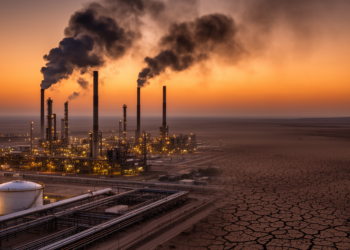
New simulations attribute centuries of future global warming to the world's largest fossil fuel and cement producers, showing their climate ...
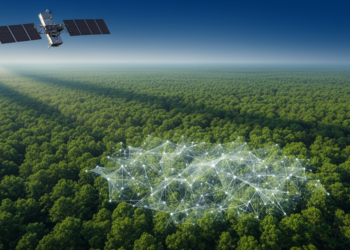
A systematic review of 147 studies finds that accurate forest carbon accounting depends on integrating field measurements, remote sensing, and ...


Embark on a thrilling journey of discovery with Scienmag.com—your ultimate source for cutting-edge breakthroughs. Immerse yourself in a world where curiosity knows no limits and tomorrow’s possibilities become today’s reality!