


Mixed solar array pairs bifacial and monofacial panels to outshine shading losses
An experimental study of a 3 × 3 photovoltaic array mixing monofacial and bifacial modules found that strategically placed bifacial ...
An experimental study of a 3 × 3 photovoltaic array mixing monofacial and bifacial modules found that strategically placed bifacial ...
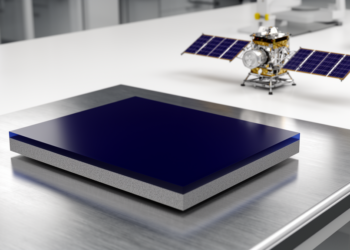
A new optical and thermal modeling framework identifies optimal perovskite/silicon tandem solar cell designs for satellites by simulating angle-dependent illumination ...

Combined measurements and simulations on single-crystal MAPbI3 show that disorder from the confined motion of organic molecules, not weak bonding ...
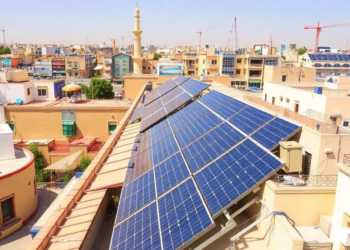
A GIS-based feasibility study finds that rooftop photovoltaic panels on a representative residential block in Mashhad could deliver 36.2 million ...

A new review in Discover Sustainability charts how artificial intelligence has advanced solar forecasting, maintenance, and grid integration from 2020 ...
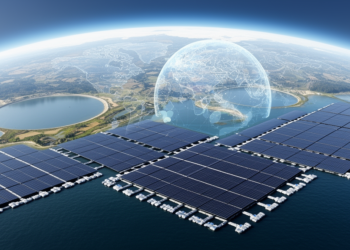
A global model estimates that solar photovoltaic systems covering 40% of clustered freshwater aquaculture ponds could generate 4,143 ± 145 ...
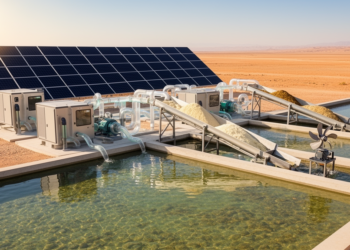
An experimental six-stage solar separator produced water, electricity, lithium and uranium from seawater, with outdoor measurements of 154.7 W peak ...
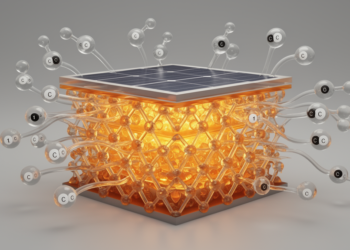
A new review in the Journal of Materials Science maps how the molecular structure of ionic liquids governs crystallization, defect ...

Researchers in Kazakhstan have developed a two-stage deep learning method that forecasts the solar spectrum itself and uses it to ...

An ultrathin phosphomolybdic acid interlayer passivates defects and strengthens bonding at the MoOₓ/silicon interface, pushing dopant-free solar cell efficiency to ...


Embark on a thrilling journey of discovery with Scienmag.com—your ultimate source for cutting-edge breakthroughs. Immerse yourself in a world where curiosity knows no limits and tomorrow’s possibilities become today’s reality!