

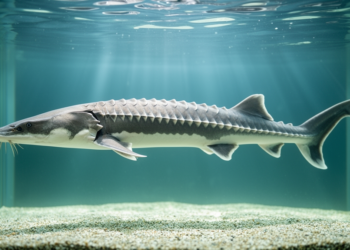
Sturgeon experiments reveal early land vertebrates had stiff, immobile necks
A new Nature study using sturgeon backbones as material analogues shows that the first land vertebrates had far stiffer, less ...
A new Nature study using sturgeon backbones as material analogues shows that the first land vertebrates had far stiffer, less ...
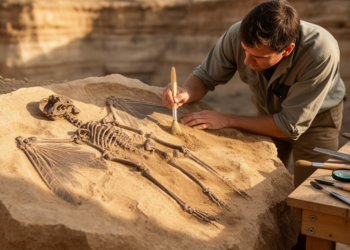
A newly described 150-million-year-old bird from China, Yuezhuornis yangyuanensis, shows that some of the earliest birds lost flight and pursued ...
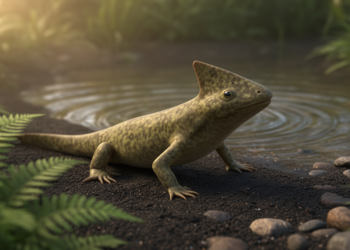
A newly named delta-headed branchiosaurid, Schoenfelderpeton brevifrons, from early Permian deposits in western Germany reveals unexpected diversity among ancient aquatic ...
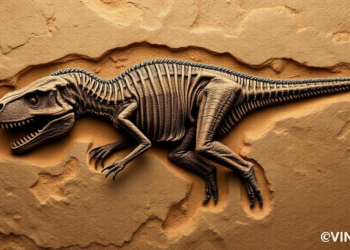
A skull fragment collected on the Isle of Wight in 1924 has been identified as Invictibellatrix amberina, a new species ...
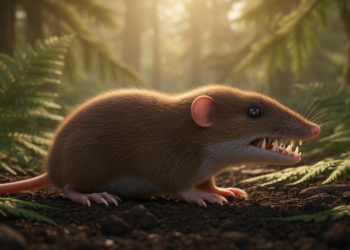
A newly described Early Cretaceous mammal from China shows multiple generations of teeth, a transitional middle ear, and platypus-like swimming ...
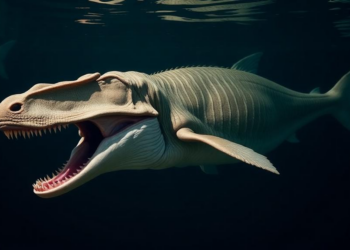
A 165-million-year-old fossil from Inner Mongolia reveals that the soft palate and swallowing machinery central to mammalian evolution were already ...
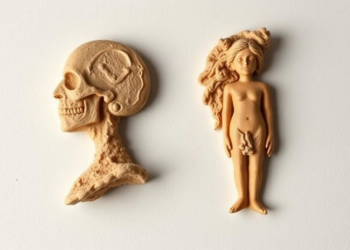
A new University of Kansas study in PLOS One finds that uintatheres, long cited as a classic example of sexual ...
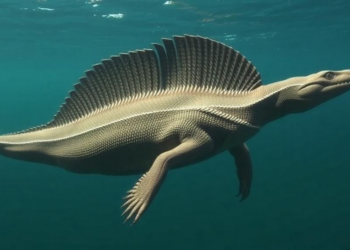
A Rutgers-led study modeling a tail-powered slam-start shows that some mosasaurs were built for explosive ambush attacks while relatives like ...
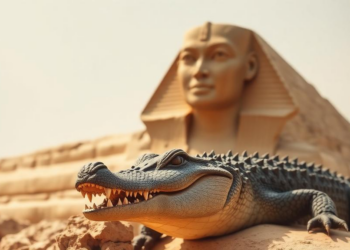
A new extinct gavial species, Herugavialis cairensis, has been identified from Egyptian fossils preserved in the same 45-million-year-old rocks used ...
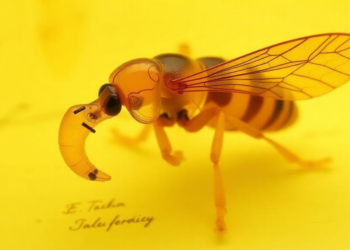
Researchers at Tel Aviv University have identified a new 99-million-year-old insect species, Cretodorus noonoo, preserved in Myanmar amber, whose extraordinarily ...


Embark on a thrilling journey of discovery with Scienmag.com—your ultimate source for cutting-edge breakthroughs. Immerse yourself in a world where curiosity knows no limits and tomorrow’s possibilities become today’s reality!