


Cambridge Prisms Extinction Earns First Impact Factor of Six Point Zero
Four years after its establishment, Cambridge Prisms: Extinction has secured its first Clarivate impact factor of 6.0 and introduced Extinction ...
Four years after its establishment, Cambridge Prisms: Extinction has secured its first Clarivate impact factor of 6.0 and introduced Extinction ...

A perspective in Cambridge Prisms: Extinction shows that stochastic extinction operates as a chance-driven loss of population viability well before ...

Researchers show that calculating time to extinction requires defining explicit operational clocks, connecting prospective conservation forecasts with retrospective historical and ...

A comparison of modern and fossil fish ear stones reveals that northern Adriatic black gobies grow faster and larger today ...

Researchers have identified fossilized red blood cells and intact heme biomolecules within the limb bones of a 115-million-year-old theropod dinosaur.

A new international survey led by two South African researchers is collecting the first field-specific, internationally comparative data on how ...
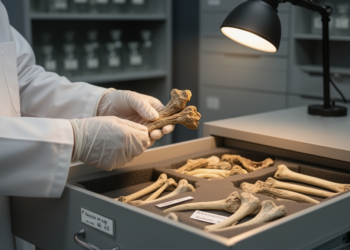
Ancient DNA from 18 fossil bones shows that the extinct giant crane Grus primigenia was actually larger individuals of the ...
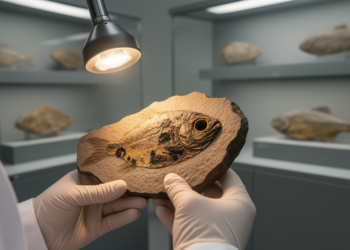
New research links melanosome shape and abundance in fish eyes and organs to vision and terrestrial adaptation, with patterns preserved ...
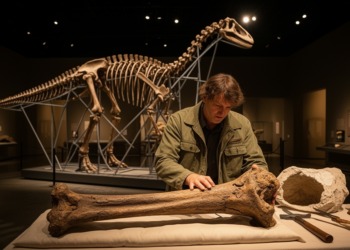
A new genus and species of iguanodontian dinosaur, Paludohadros proudlovii, has been identified from Natural History Museum fossils found at ...
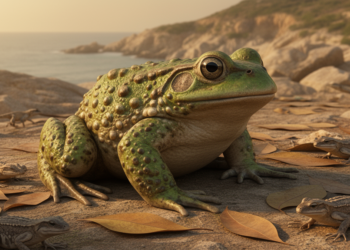
A new study of 528 Late Miocene frog fossils from Italy's Gargano Terre Rosse fissures reveals a Latonia-dominated island community ...


Embark on a thrilling journey of discovery with Scienmag.com—your ultimate source for cutting-edge breakthroughs. Immerse yourself in a world where curiosity knows no limits and tomorrow’s possibilities become today’s reality!