

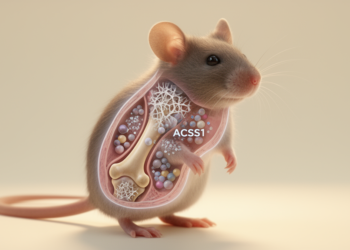
ACSS1 links nutrient stress to impaired bone formation in mouse models
A mouse study finds that nutrient stress elevates ACSS1 in bone-forming cells, impairing mitochondrial function and bone formation through increased ...
A mouse study finds that nutrient stress elevates ACSS1 in bone-forming cells, impairing mitochondrial function and bone formation through increased ...
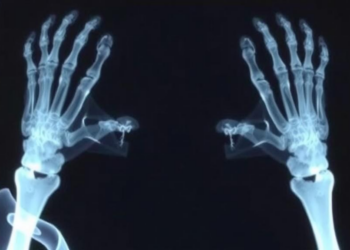
A retrospective study of 21,112 adults with newly diagnosed cancer in Israel found that only 35.5% received DXA bone-density testing, ...
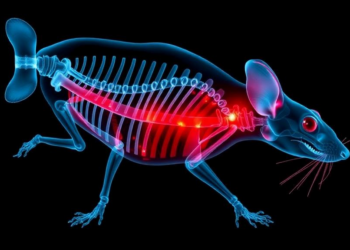
A bone-targeted exosome therapy carrying a miR-196b inhibitor and platinum nanoparticles preserved trabecular structure and reduced osteoclast activity in a ...
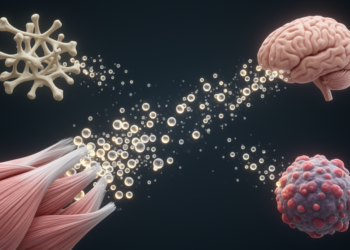
Skeletal muscle has long been appreciated as the body's largest organ, essential for movement, metabolism, and overall physiological stability. But ...
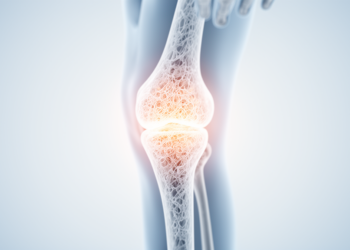
A three-year prospective study finds that children treated for acute lymphoblastic leukemia suffer severe vertebral bone loss at diagnosis, a ...
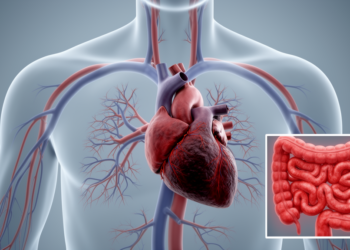
A new case report details how ulcerative colitis, chronic steroid therapy, undetected osteoporosis, immobilization, and spinal surgery combined to trigger ...
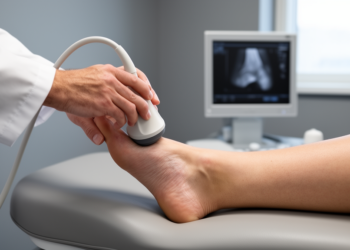
A 12-month Russian study found that radiation-free ultrasound-based REMS carries real diagnostic value for osteoporosis but agrees poorly with DXA, ...
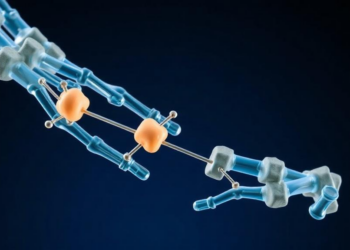
A new BMC Medicine review maps how post-translational modifications act as a networked control layer that gates, amplifies, and dampens ...
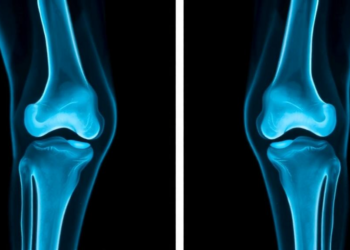
Researchers at VIT-AP University have developed an explainable hybrid deep learning model that classifies knee osteoporosis from X-rays with 91 ...
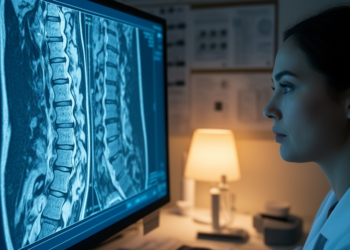
A deep learning pipeline from the American University of Beirut automatically detects vertebral fractures and Schmorl's nodes in routine chest ...


Embark on a thrilling journey of discovery with Scienmag.com—your ultimate source for cutting-edge breakthroughs. Immerse yourself in a world where curiosity knows no limits and tomorrow’s possibilities become today’s reality!