

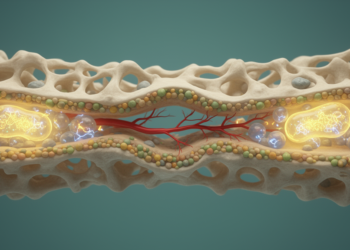
Ion Channel Axis KCNE3-KCNQ1 Drives Bone Repair Through Vessel and Energy Metabolism Coupling
A mouse study finds that the KCNE3-KCNQ1 potassium channel axis couples mitochondrial energy metabolism to vessel growth and bone formation, ...
A mouse study finds that the KCNE3-KCNQ1 potassium channel axis couples mitochondrial energy metabolism to vessel growth and bone formation, ...
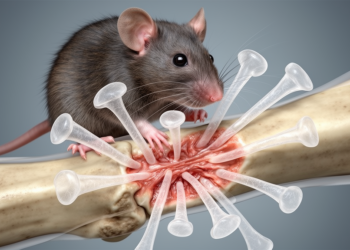
Slicing king oyster mushroom stipes lengthwise rather than crosswise preserves a naturally aligned hyphal network that guides bone-forming cells, blocks ...
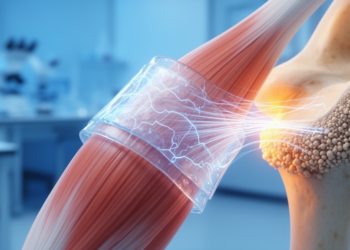
A sandwich-structured PVDF and silk fibroin hydrogel laced with MXene converts everyday mechanical stress into electrical stimulation, tipping the bone-fat ...
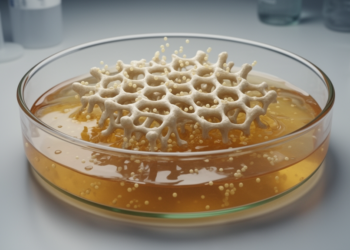
An architected polymer framework, bioactive glass and a soft hydrogel formed a composite that increased vascularized bone formation in rat ...
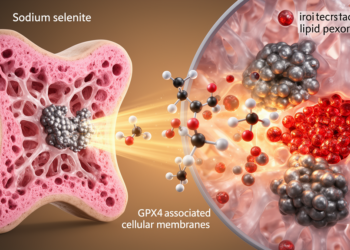
Sodium selenite reduced ferroptosis and improved bone formation through GPX4 in cell and ovariectomized mouse experiments, preclinical findings that do ...
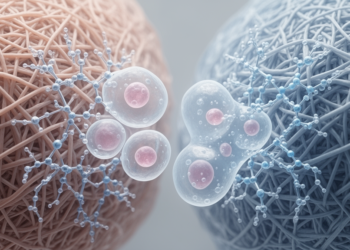
A laboratory study found that removing heparan sulfate chains from perlecan in cell-derived extracellular matrix altered human stem-cell differentiation according ...
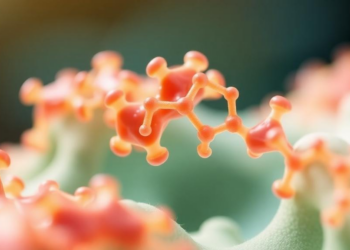
A 2026 review finds that CPNE7-derived peptides can promote selected tissue-repair processes in preclinical models when engineered into collagen and ...
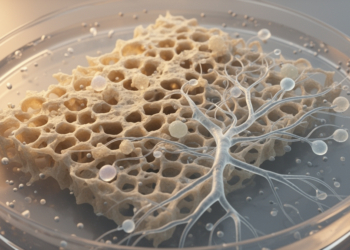
Cell-culture and mouse experiments found that low-concentration simvastatin promoted osteogenic activity and endothelial network formation through a process associated with ...
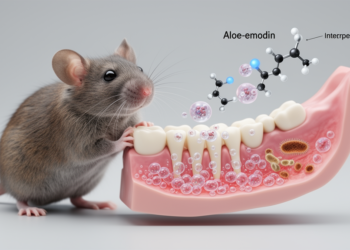
Network analysis, mouse stem-cell assays and a murine periodontitis model indicate that aloe-emodin can suppress selected inflammatory signals while supporting ...
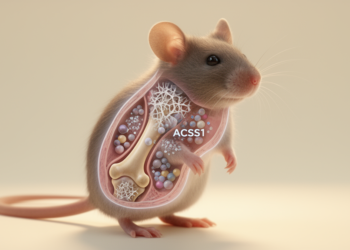
A mouse study finds that nutrient stress elevates ACSS1 in bone-forming cells, impairing mitochondrial function and bone formation through increased ...


Embark on a thrilling journey of discovery with Scienmag.com—your ultimate source for cutting-edge breakthroughs. Immerse yourself in a world where curiosity knows no limits and tomorrow’s possibilities become today’s reality!