

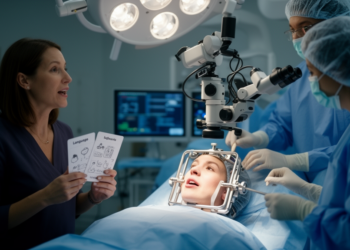
Awake craniotomy study finds transient decline common after eloquent-area surgery
A retrospective study of 30 patients found that 30 percent showed acute neurological dysfunction within 72 hours of awake craniotomy, ...
A retrospective study of 30 patients found that 30 percent showed acute neurological dysfunction within 72 hours of awake craniotomy, ...

A Swedish national study of 634 aneurysmal subarachnoid hemorrhage patients found that independent survivors reported far more problems with usual ...

A scoping review of 35 studies finds that T2-weighted MRI ratios and magnetic resonance elastography are the most reliable imaging ...
A single-center study found multimodal AI models could draft image-dependent neurosurgery exam questions and grade resident responses with about 90% ...
A rapid PCR system detected the PCNSL-specific MYD88 L265P mutation in tumor tissue and cerebrospinal fluid, achieving 100% specificity in ...
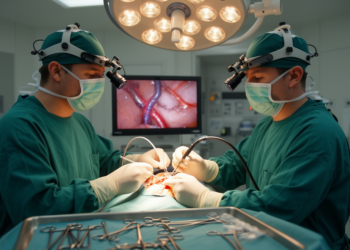
A surgical team describes a controlled diamond-burr drilling technique for safely exposing the parasellar internal carotid artery during endoscopic endonasal ...

A limited unilateral partial C1 hemilaminectomy achieved complete obliteration of selected C1 dural arteriovenous fistulas in three patients, with no ...
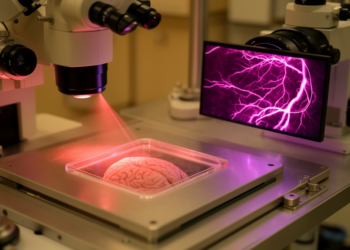
A rat study found that laser speckle contrast imaging and imaging photoplethysmography reveal fundamentally different patterns of cerebral blood flow, ...
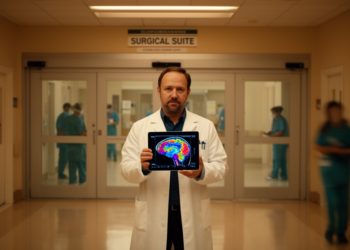
A narrative review finds that AI neuroimaging tools for neurosurgery show strong technical performance in retrospective studies but lack the ...
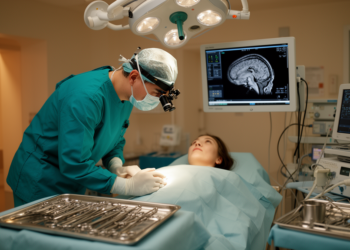
A narrative review finds that gender-affirming hormone therapy raises specific neurological and perioperative risks that neurosurgeons are largely untrained to ...


Embark on a thrilling journey of discovery with Scienmag.com—your ultimate source for cutting-edge breakthroughs. Immerse yourself in a world where curiosity knows no limits and tomorrow’s possibilities become today’s reality!