

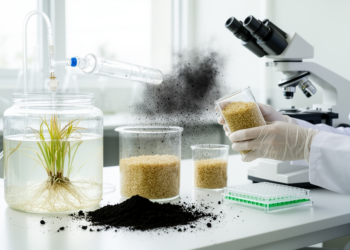
Lab tests: microscale iron reduces rice arsenic but boosts methane
A controlled microcosm and greenhouse rice study found that microscale zero-valent iron reduced arsenic in grain by 34% while increasing ...
A controlled microcosm and greenhouse rice study found that microscale zero-valent iron reduced arsenic in grain by 34% while increasing ...

The HTAP3-OPNS protocol defines a global modelling programme to trace the origins, transport and impacts of ozone, particulate matter, nitrogen ...

A 2021 European methane inversion using simultaneous methane and radon measurements from 17 sites produced country-level emissions estimates that differed ...
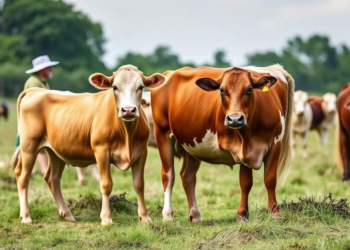
A new Special Issue in Pastoralism argues that standardized climate accounting misjudges pastoral livestock systems, which can emit less methane ...

A new German study finds poplar foliage raises selenium status and lowers methane emissions in goats, but tannins in the ...

A detailed field study in East Java shows that rice paddies can act as carbon sinks yet still emerge as ...
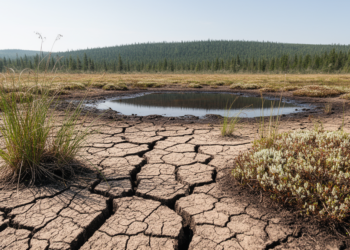
A landmark study of China's Dajiuhu peatland reveals that the record 2022 Yangtze Basin drought slashed net carbon sequestration by ...

A five-year study of the Danube Delta's reedbeds shows the common reed stores up to 8.6 tonnes of carbon per ...
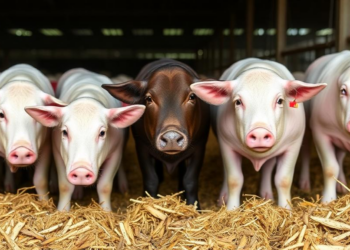
A comprehensive review of 112 livestock studies finds that tannin feed additives deliver clear benefits for cattle, sheep and goats, ...
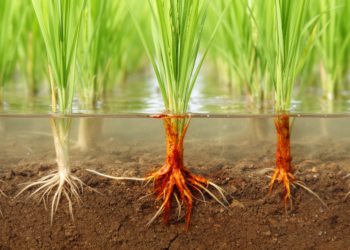
A new study shows that iron plaque on rice roots first preserves soil organic carbon but later fuels iron-reducing bacteria ...


Embark on a thrilling journey of discovery with Scienmag.com—your ultimate source for cutting-edge breakthroughs. Immerse yourself in a world where curiosity knows no limits and tomorrow’s possibilities become today’s reality!