


Attention-boosted AI learns to slice 5G edge networks smarter
A hierarchical attention-based reinforcement learning framework improved slice admission rates by up to 20 percent and cut resource overhead by ...
A hierarchical attention-based reinforcement learning framework improved slice admission rates by up to 20 percent and cut resource overhead by ...

A narrative review traces how deep-learning architectures for surgical video evolved from recurrent networks to transformers while confronting latency, fusion ...

A simulated three-tier edge, fog and cloud waste management system cut modeled daily collection distance by 37.9 percent and reduced ...

A new survey of 94 studies charts the rise of retrieval-augmented generation in biomedicine and identifies trade-offs among reasoning depth, ...

A simulation study in Cluster Computing reports that a hybrid chaotic fire hawk and pufferfish optimization algorithm lowered energy use ...
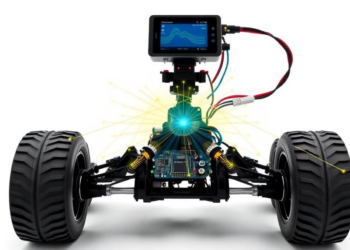
A CNN running on a host PC with Arduino-based servo actuation predicted steering angles with a validation MAE of 0.093 ...

A new FARABI framework uses fuzzy logic and semi-Markov models to improve routing resilience in 6G vehicular networks against physical ...

A new Trust-aware Cloudlet Federation model balances node credibility against delivery speed in edge computing, revealing a 40 percent deviation ...

A new communication framework called PQ-NeuroLink brings post-quantum cryptography to distributed EEG brain-computer interfaces while adding less than half a ...

A low-cost EMG-controlled prosthetic arm uses confidence gating and temporal voting to refuse uncertain commands, cutting false movements by 75 ...


Embark on a thrilling journey of discovery with Scienmag.com—your ultimate source for cutting-edge breakthroughs. Immerse yourself in a world where curiosity knows no limits and tomorrow’s possibilities become today’s reality!