


Copper turns designer peptides into selective cancer-cell killers in lab tests
Researchers report that binding copper(II) ions to one of two designer peptides containing non-canonical amino acids markedly increased its cytotoxic ...
Researchers report that binding copper(II) ions to one of two designer peptides containing non-canonical amino acids markedly increased its cytotoxic ...
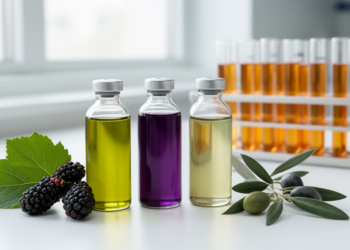
A laboratory study found that combining grape and olive leaf freeze-dried extracts produced synergistic inhibition of the starch-digesting enzyme α-amylase, ...
Encapsulating oleanolic acid and asiatic acid in solid lipid nanoparticles preserved enzyme inhibition, lowered glucose in liver cell culture medium ...
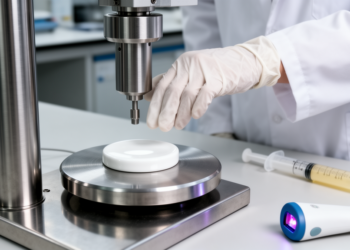
Preheating a restorative resin-based composite to 70 °C increased the biaxial flexural strength of an etched feldspathic ceramic by roughly ...
A newly identified pyranose 2-oxidase from the fungus Punctularia strigosozonata killed pancreatic carcinoma cells in culture but showed similar toxicity ...
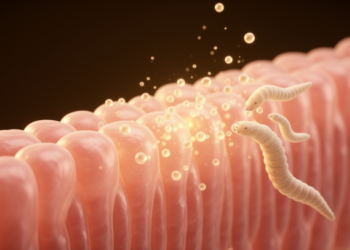
In laboratory experiments, live Strongyloides stercoralis larvae triggered pro-inflammatory responses in human intestinal epithelial cells while the parasites' extracellular vesicles ...
A new in vitro and in silico study reports that Burmese grape peel extract combined with fluorescent magnetic polymer nanoparticles ...
A new cell-culture study reports that an EGFR-IL-8 signaling loop between liver cancer cells and macrophages sustains lenvatinib resistance in ...
A microfluidically fabricated liposome co-loaded with a copper phthalocyanine photosensitizer and catalase cut hypoxic C6 glioma cell viability to about ...

A laboratory-synthesised rare flavonoid, dichamanetin, protected retinoic acid-differentiated human neuroblastoma cells from hydrogen peroxide-induced damage in vitro, with the strongest ...


Embark on a thrilling journey of discovery with Scienmag.com—your ultimate source for cutting-edge breakthroughs. Immerse yourself in a world where curiosity knows no limits and tomorrow’s possibilities become today’s reality!