


Laccase Enzyme Transforms Quercetin and Caffeic Acid into More Soluble Derivatives
A Trametes versicolor laccase co-oxidized quercetin and caffeic acid into five derivatives with dramatically improved water solubility and UV stability, ...
A Trametes versicolor laccase co-oxidized quercetin and caffeic acid into five derivatives with dramatically improved water solubility and UV stability, ...
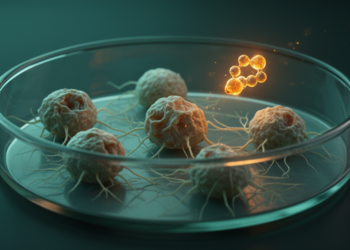
Laboratory experiments show the plant-derived neolignan Miliusin B kills HeLa cervical cancer cells selectively, triggers apoptosis, impairs cell migration, and ...
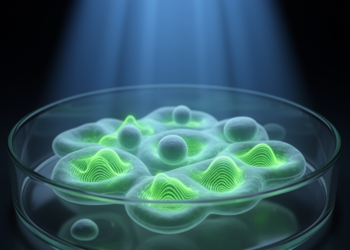
Researchers used optogenetic melanopsin stimulation in HeLa cells to show that the timing pattern of light-evoked calcium signaling selectively shapes ...
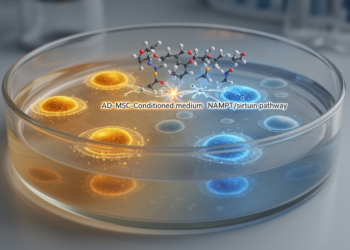
A cell-culture study found that AD-MSC-conditioned medium reduced HeLa-cell viability and was associated with increased apoptosis and altered SIRT2 and ...
Cryogenic X-ray fluorescence nanoanalysis reveals that three rhenium anticancer drug candidates with different targeting ligands distribute nearly identically inside cancer ...
A microfluidic nanoblade device that slices open the membranes of thousands of cells at once reveals that cells prioritize repairing ...
A newly engineered MgTiO₃/Sm³⁺–Bi₂S₃ heterojunction uses visible light to generate reactive oxygen species that degrade nearly 98 percent of Acid ...
Researchers have created PNIPAM-coated hollow gold-silver nanoparticles that convert near-infrared light into heat to accelerate doxorubicin release, achieving synergistic chemo-photothermal ...

Researchers used Damask rose leaf extract to synthesize selenium-doped nickel oxide nanoparticles that selectively kill cervical cancer cells, rupture bacterial ...
Researchers converted Bauhinia purpurea fruit waste into zinc oxide nanoparticles showing strong antioxidant, antidiabetic, anti-inflammatory and anticancer activity with minimal ...


Embark on a thrilling journey of discovery with Scienmag.com—your ultimate source for cutting-edge breakthroughs. Immerse yourself in a world where curiosity knows no limits and tomorrow’s possibilities become today’s reality!