

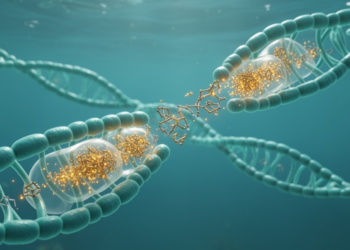
CRISPR–Cas systems in Microcoleus cyanobacteria show a dynamic history of gene flow
A new study of 14 Microcoleus species finds that CRISPR–Cas systems are widespread but do not follow species phylogeny, pointing ...
A new study of 14 Microcoleus species finds that CRISPR–Cas systems are widespread but do not follow species phylogeny, pointing ...
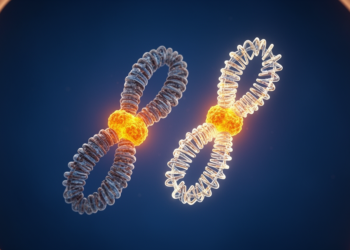
A PLOS Genetics review argues that low recombination near centromeres may explain extensive sex-linked regions without invoking active recombination suppression.
Chloroplast genome comparisons of eight Actinidia accessions revealed conserved genome structure, seven variable regions and unexpected intraspecific diversity within four ...
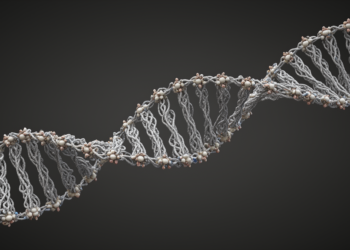
A molecular dynamics atlas of 2,080 DNA hexamers links base order to DNA behavior and shows a moderate evolutionary tendency ...

The research focused on the subfamilies Poropuntiinae and Smiliogastrinae within the family Cyprinidae, the most species-rich group of freshwater fishes ...
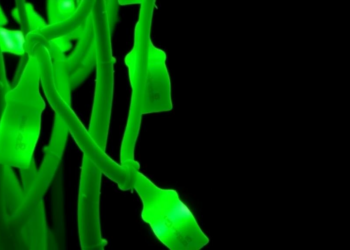
A comparative cytogenetic study used fluorochrome banding and ribosomal DNA FISH to build detailed chromosome maps of eight Cucurbitaceae crops, ...
An international research team led by Heinrich Heine University Düsseldorf and the Max Planck Institute for Plant Breeding Research has ...
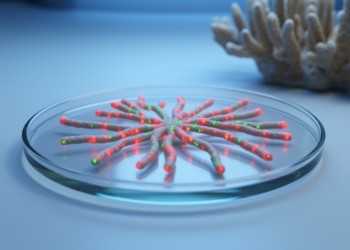
Researchers have isolated the first five FISH markers for the stony coral Micromussa amakusensis, mapping histone H3, 5S rRNA, 18S-28S ...

A new PLOS Genetics study shows that two unintended sequence changes, not synthetic codon optimization, explain the enhanced retrotransposition of ...
In a discovery that challenges our understanding of molecular evolution, researchers have uncovered a remarkable case where a deeply conserved ...


Embark on a thrilling journey of discovery with Scienmag.com—your ultimate source for cutting-edge breakthroughs. Immerse yourself in a world where curiosity knows no limits and tomorrow’s possibilities become today’s reality!