

Smart Statistical Design Finds the Best Cement-Free Geopolymer Mix
The study's framing of geopolymer optimization reflects a broader shift in construction materials research away from single-property maximization toward balanced, ...
The study's framing of geopolymer optimization reflects a broader shift in construction materials research away from single-property maximization toward balanced, ...

Researchers found that shredded watermelon vine waste can both reinforce ecological porous concrete and neutralize its alkalinity, enabling over 80 ...
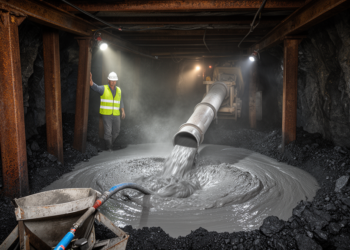
Chinese researchers show that highly saline concentrated mine water can replace tap water in coal-waste backfill, boosting early strength when ...
Researchers show that an alkali-activated blend of fly ash and blast furnace slag can stabilize dredged waste soil for embankments, ...
Researchers used Differential Evolution-optimized machine learning to predict the compressive strength of fly ash and waste glass powder geopolymers with ...

Researchers trained an explainable XGBoost model on 1,670 field-recorded concrete mixes, achieving R-squared 0.9263 in strength prediction while using SHAP ...
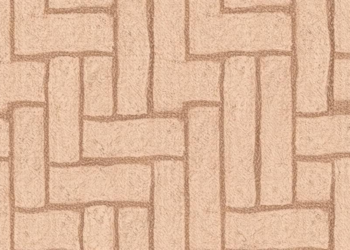
A new study shows that blending 40 percent Tengger Desert sand into alkali-activated slag-fly ash concrete maximizes strength and delivers ...
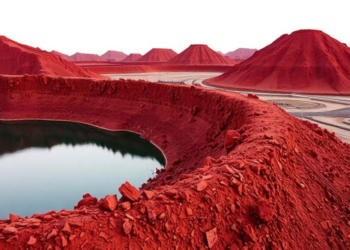
Researchers replaced fly ash in carbon-fiber-reinforced geopolymer with red mud and ore tailings, achieving up to 33.5 decibels of X-band ...
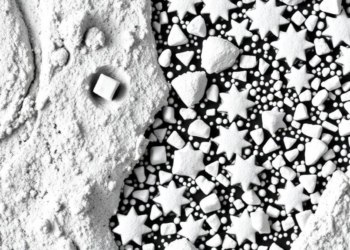
A γ-Al₂O₃ modification makes fly ash geopolymers far better at capturing trivalent actinides, showing that reactive surface chemistry matters more ...

A Taguchi-TOPSIS study shows that solution treatment temperature, holding time and cooling method strongly control the hardness, wear rate and ...


Embark on a thrilling journey of discovery with Scienmag.com—your ultimate source for cutting-edge breakthroughs. Immerse yourself in a world where curiosity knows no limits and tomorrow’s possibilities become today’s reality!