


Machine learning separates catalyst and reaction controls in CO2 conversion
A new interpretable machine learning framework reveals that CO2 conversion is driven by thermokinetic factors, while hydrocarbon selectivity is controlled ...
A new interpretable machine learning framework reveals that CO2 conversion is driven by thermokinetic factors, while hydrocarbon selectivity is controlled ...

A study shows crediting carbon temporarily stored in plastics lowers emissions, fossil fuel reliance, and transition costs for European oil ...

A two-step dehydration-oligomerization process effectively upgrades light green syncrude into stable synthetic aviation fuel precursors by removing interfering oxygenates.

Tuning temperature, pressure and a small potassium dose allowed a cobalt-titania catalyst to convert 30.8 percent of CO2 with an ...
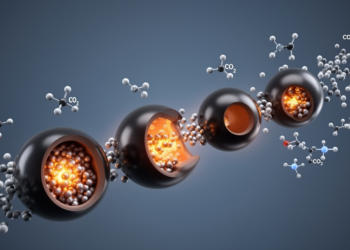
Carbon nanosphere-encapsulated iron–cobalt catalysts with a 1:2 iron-to-cobalt ratio showed improved CO2 conversion, C2–C4 olefin selectivity and 60-hour stability under ...
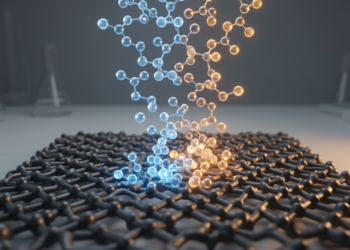
A new review in Catal argues that iron-based catalysts, boosted by cobalt, palladium, and engineered supports, are among the most ...
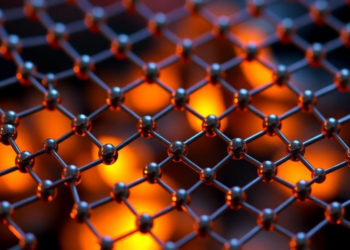
A systematic comparison of Fe-Co-Mn nanocatalysts on activated carbon, carbon nanotubes, and graphene shows the graphene-supported catalyst delivers the highest ...


Embark on a thrilling journey of discovery with Scienmag.com—your ultimate source for cutting-edge breakthroughs. Immerse yourself in a world where curiosity knows no limits and tomorrow’s possibilities become today’s reality!