

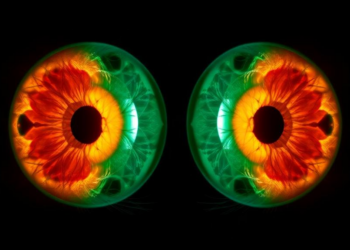
Corneal digital twins move from simplified shapes to patient-specific simulations
A new review traces how corneal finite element models evolved from idealized shapes into patient-specific digital twins that now inform ...
A new review traces how corneal finite element models evolved from idealized shapes into patient-specific digital twins that now inform ...

Artificial intelligence is quietly moving into one of retail's most stubborn problems: finding a bra that actually fits. A new ...

A new three-dimensional simulation shows that redox-magnetohydrodynamic forces on a microfluidic chip can steer, retain, or redirect picoliter sample plugs ...

A new study proposes describing ultrasonic reactors through statistical descriptors of the acoustic pressure field, which correlate with the dispersion ...

Researchers combined laser scanning, ambient vibration measurements at 63 positions, and finite-element modeling to identify twelve global vibration modes of ...

A New Zealand research team has developed a reproducible pipeline that converts MRI scans of adolescent rugby players into a ...
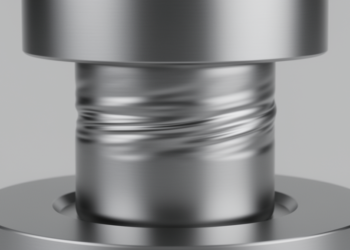
Researchers have proposed a novel principle for severe plastic deformation that fundamentally alters how pressure is applied to metallic workpieces.
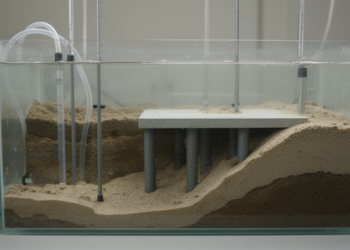
A finite-element study found that increasing dynamic compaction replacement depth from 3.0 to 6.0 m was associated with greater differential ...
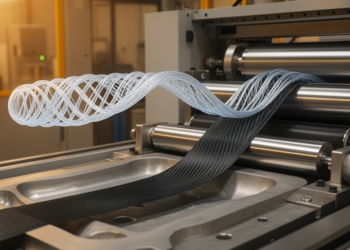
A computational study found that a Cosserat-rod digital twin can reproduce key mechanics responses and rapidly rank continuous-tow composite deposition ...
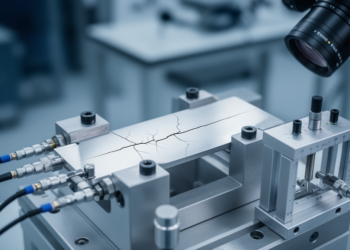
A dynamically calibrated model reproduced abnormal fatigue-crack acceleration and retardation in five aerospace-component tests, reducing specimen S3 prediction error from ...


Embark on a thrilling journey of discovery with Scienmag.com—your ultimate source for cutting-edge breakthroughs. Immerse yourself in a world where curiosity knows no limits and tomorrow’s possibilities become today’s reality!