


Germany’s Emissions Drop Follows Energy Policy, Not Economic Growth
An ARDL analysis of German data from 1980 to 2024 finds that the apparent income-driven decoupling of emissions from growth ...
An ARDL analysis of German data from 1980 to 2024 finds that the apparent income-driven decoupling of emissions from growth ...
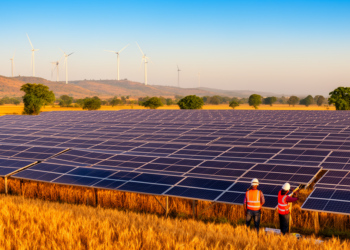
A study of India from 1990 to 2018 finds renewable energy shocks reduce greenhouse gas emissions while innovation shocks initially ...

A study analyzing Nigerian data from 1990 to 2024 reveals that both pesticide and insecticide consumption are positively and significantly ...

Machine learning analysis of Thai provincial data finds an inverted U-shaped relationship between aerosol pollution and economic growth, projecting gradual ...

A 29-year panel study of eight East African countries finds conditional evidence of an emissions turning point near 2,846 dollars ...

A panel analysis of SADC countries from 1997 to 2021 finds economic growth tightly bound to manufacturing and construction emissions, ...

A new econometric analysis of Algeria from 1990 to 2024 finds primary energy consumption is the most stable long-run correlate ...

A new study projects that India's greenhouse gas emissions will continue rising through 2035 under current trends.

A 33-year panel study of 35 OECD countries confirms the Environmental Kuznets Curve and Load Capacity Curve, finds renewable energy ...

A new time-series analysis of Polish data from 2000 to 2023 finds fossil fuel consumption is the dominant driver of ...


Embark on a thrilling journey of discovery with Scienmag.com—your ultimate source for cutting-edge breakthroughs. Immerse yourself in a world where curiosity knows no limits and tomorrow’s possibilities become today’s reality!